
Tandy Wilson to Leave City House After 19 Years
Nashville's first James Beard Award winner will hand his Germantown restaurant to new operators at the end of the year. The name, the staff and the belly ham pizza stay.

Staffing a fine dining kitchen in 2026, in numbers.
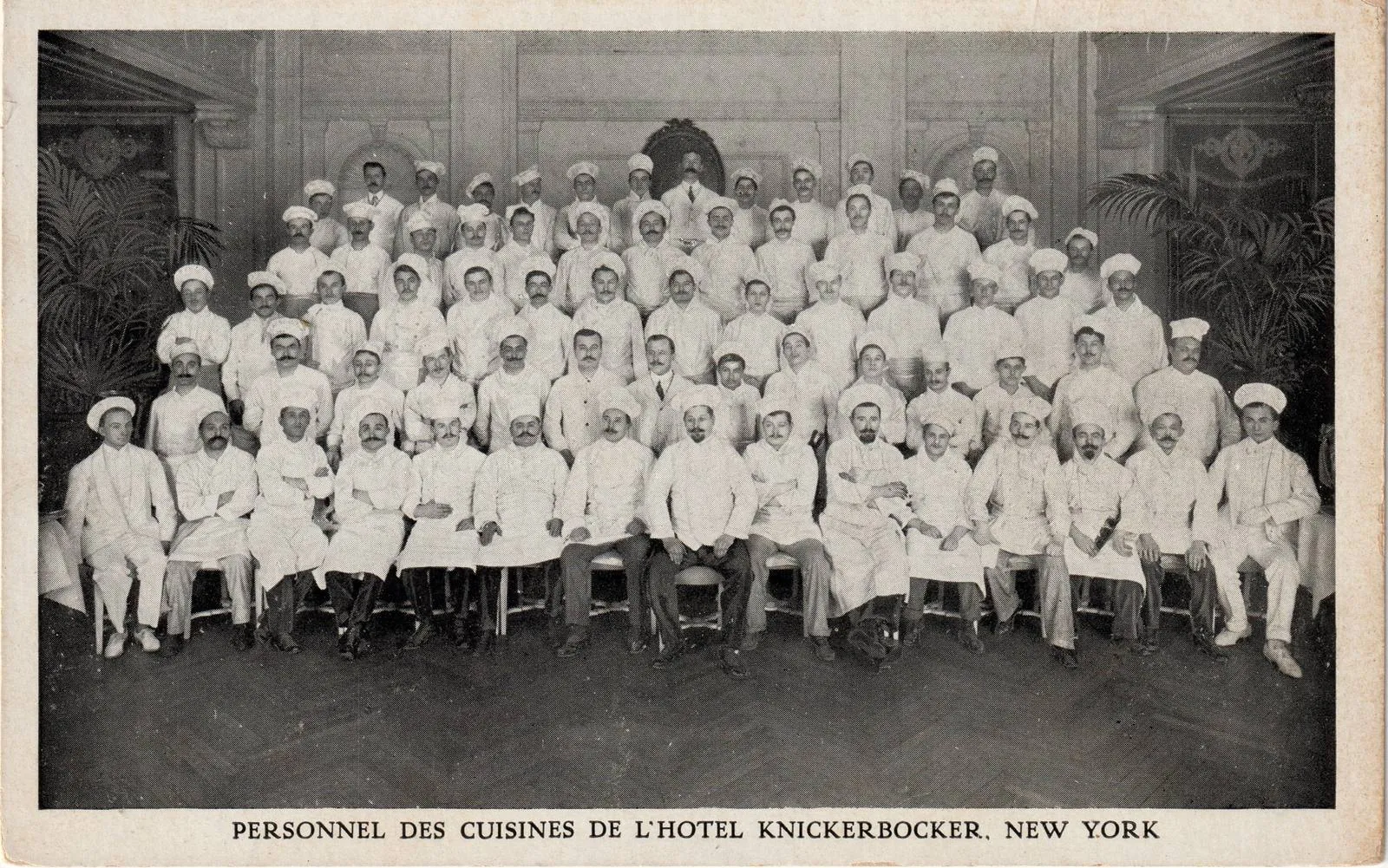
Auguste Escoffier designed the kitchen brigade as a military hierarchy: the chef de cuisine in overall command, the sous-chef as second, the chefs de partie running stations, the commis learning beneath them. The specialists had their own titles: saucier, poissonnier, rotisseur, garde manger, patissier, and the aboyeur calling the orders.
The titles survive. The economics around them have changed beyond recognition. Brigade math is the arithmetic of that hierarchy: how many hands a menu needs, what those hands cost, and how many covers pay for them.
When Noma closed, it employed around 100 people, with up to 30 unpaid interns among them. Paying those interns a wage would have added tens of thousands of dollars a month to the wage bill, a cost the model had never carried.
The most famous restaurant in the world could not make the math work. Unpaid stages were the industry's open secret for decades: young cooks traded months of free labor for a line on the resume. Thirty unpaid interns would be a scandal in any other industry. In kitchens it was, until recently, a career plan. When the accounting finally included them, the model broke in public.
The National Restaurant Association's 2025 Operations Data Abstract, drawn from more than 900 operators, puts the median full-service wage bill at 36.5 percent of sales in 2024. Profitable operators held it to 34.2 percent. Operators losing money paid 42.9 percent. The median is up from about 33 percent in the 2010, 2013, and 2016 editions.
Read that again. The typical full-service restaurant now spends more than a third of every dollar on its people. The gap between 34.2 and 42.9 percent is the whole business: eight points of sales decide whether the lights stay on.
An OysterLink analysis of Bureau of Labor Statistics data found US cook wages rose 27.8 percent between 2020 and 2024, from $29,530 to $37,730. Chef employment rose 79.6 percent over the same period, to 182,320. The raises were overdue: kitchen wages had lagged behind the cost of living in every major dining city for a decade.
The kitchen got more expensive and more crowded at once. Diners feel it in menu prices. Cooks feel it in bargaining power. Owners feel it everywhere.
Jordnær, the two Michelin star restaurant in Copenhagen, cut service to four dinners a week, Tuesday to Friday, to protect its staff's work-life balance. Fewer covers, same standards, saner hours. The calculation is simple: a rested brigade cooks better than an exhausted one, and the dining room can tell. It is the brigade system renegotiated.
Escoffier's hierarchy assumed labor was cheap and plentiful. Neither is true anymore. The brigade will survive; it always does. But the version with the cheap commis and the endless hours belongs to a different century.
The restaurants that survive the next decade will be the ones that do the math first. The math has changed, so the kitchen must.
Filed from the Chefs desk.
Nashville's first James Beard Award winner will hand his Germantown restaurant to new operators at the end of the year. The name, the staff and the belly ham pizza stay.
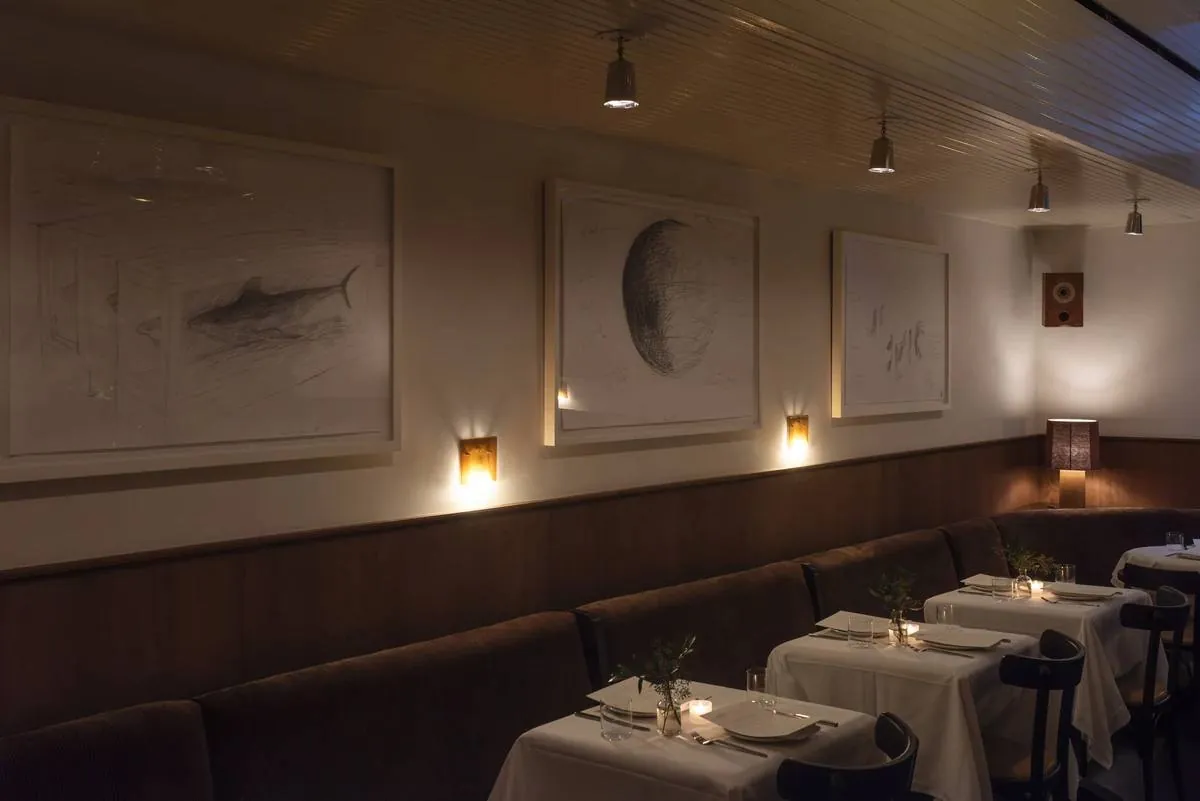
Straker’s opened at 59 Grand Street on October 10, in the former Lucky Strike space: the chef’s first restaurant outside London.
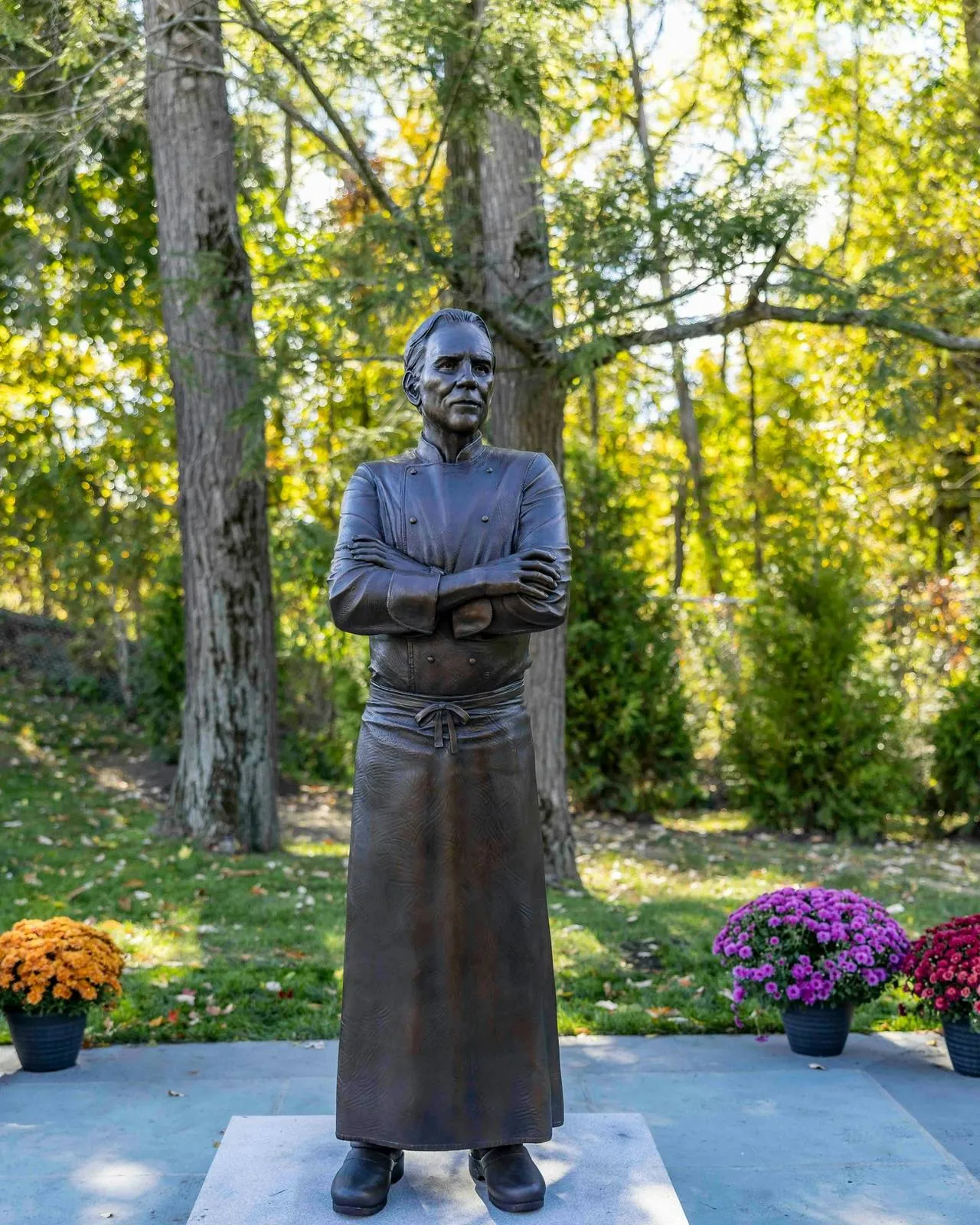
The Culinary Institute of America has honored the chef with a bronze by Gordon Huether. Keller's own words say what he hopes it will teach.
The week's essential tables, in your inbox every Sunday.
Free. Unsubscribe anytime. Read our privacy policy.