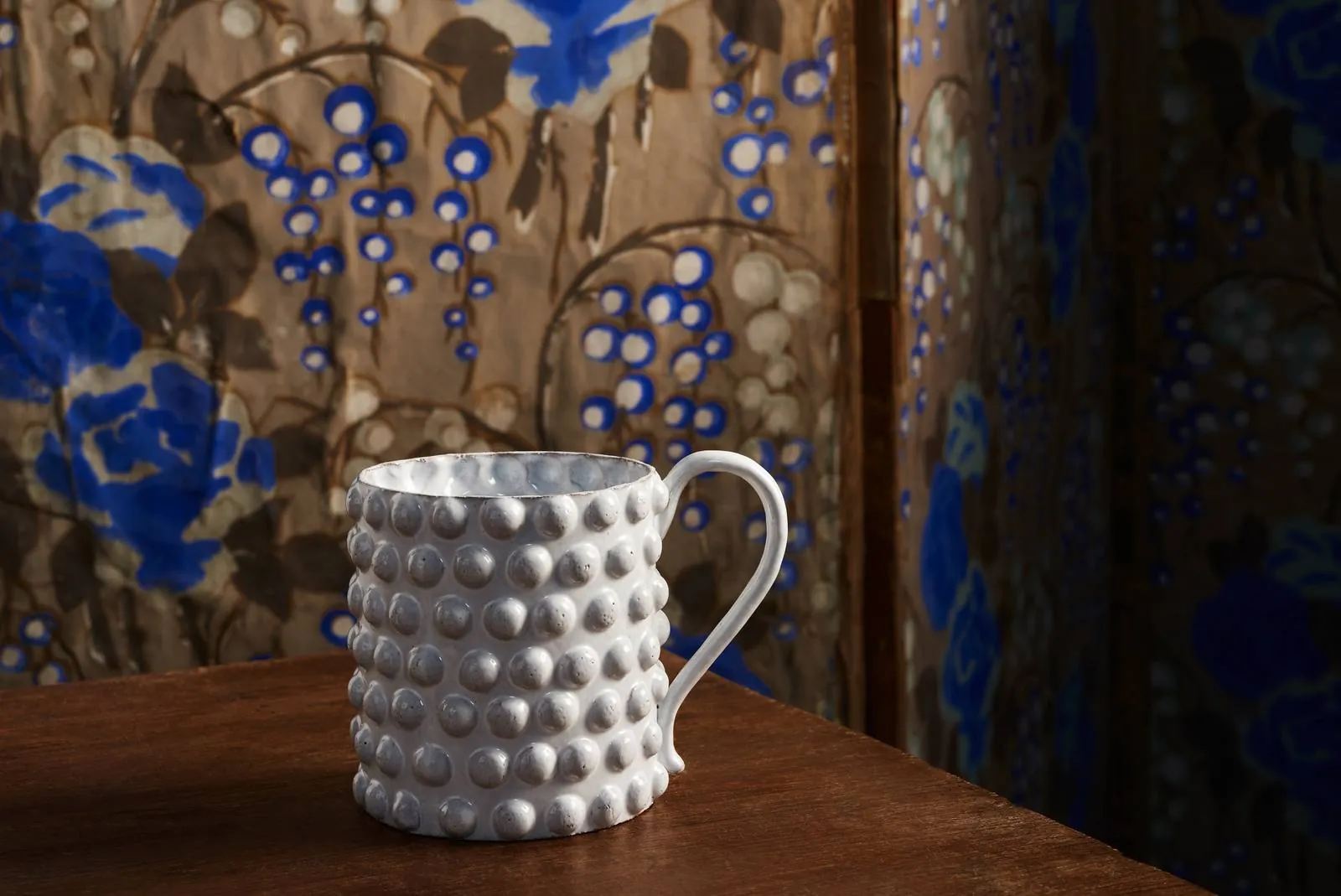
Astier de Villatte tableware
Handmade Parisian ceramics with a milky glaze, made the slow way in the last atelier of its kind.

Tableware, kitchen craft, and gourmet provisions.
Handmade Parisian ceramics with a milky glaze, made the slow way in the last atelier of its kind.
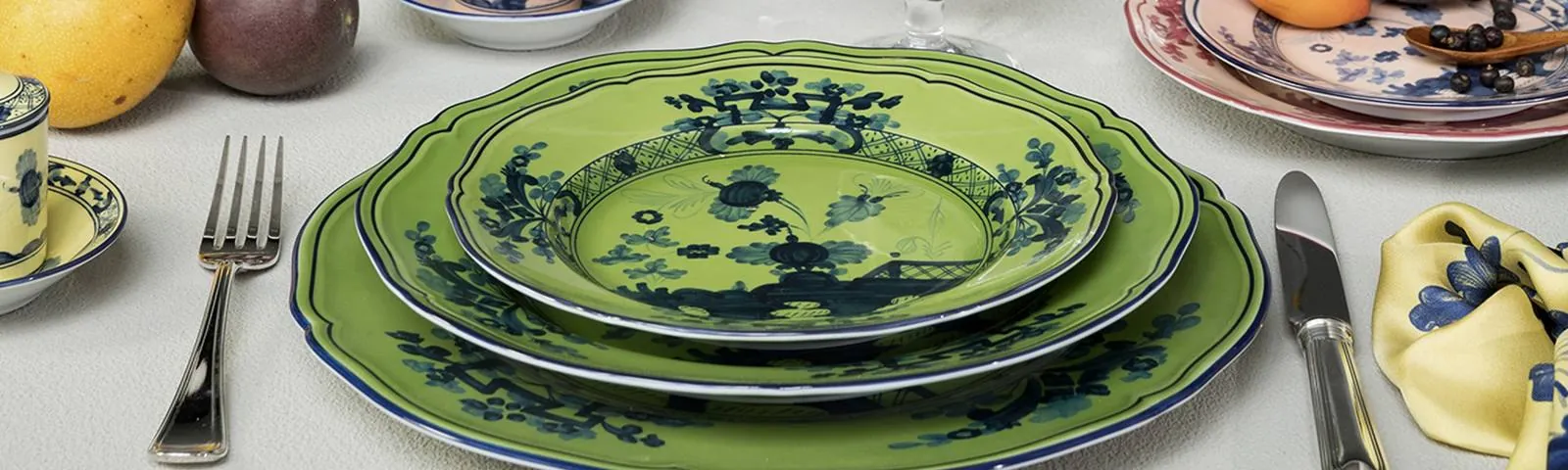
Florentine porcelain since 1735, in the pattern that put color back on the formal table.
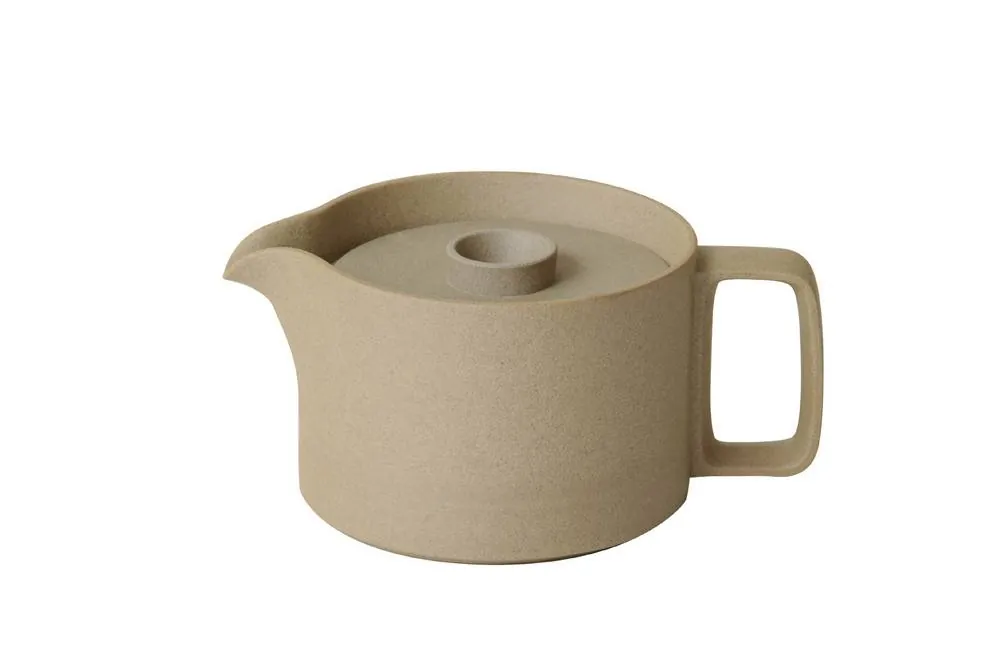
Modular Japanese porcelain, cast from a clay and porcelain blend, sized to stack and mix.
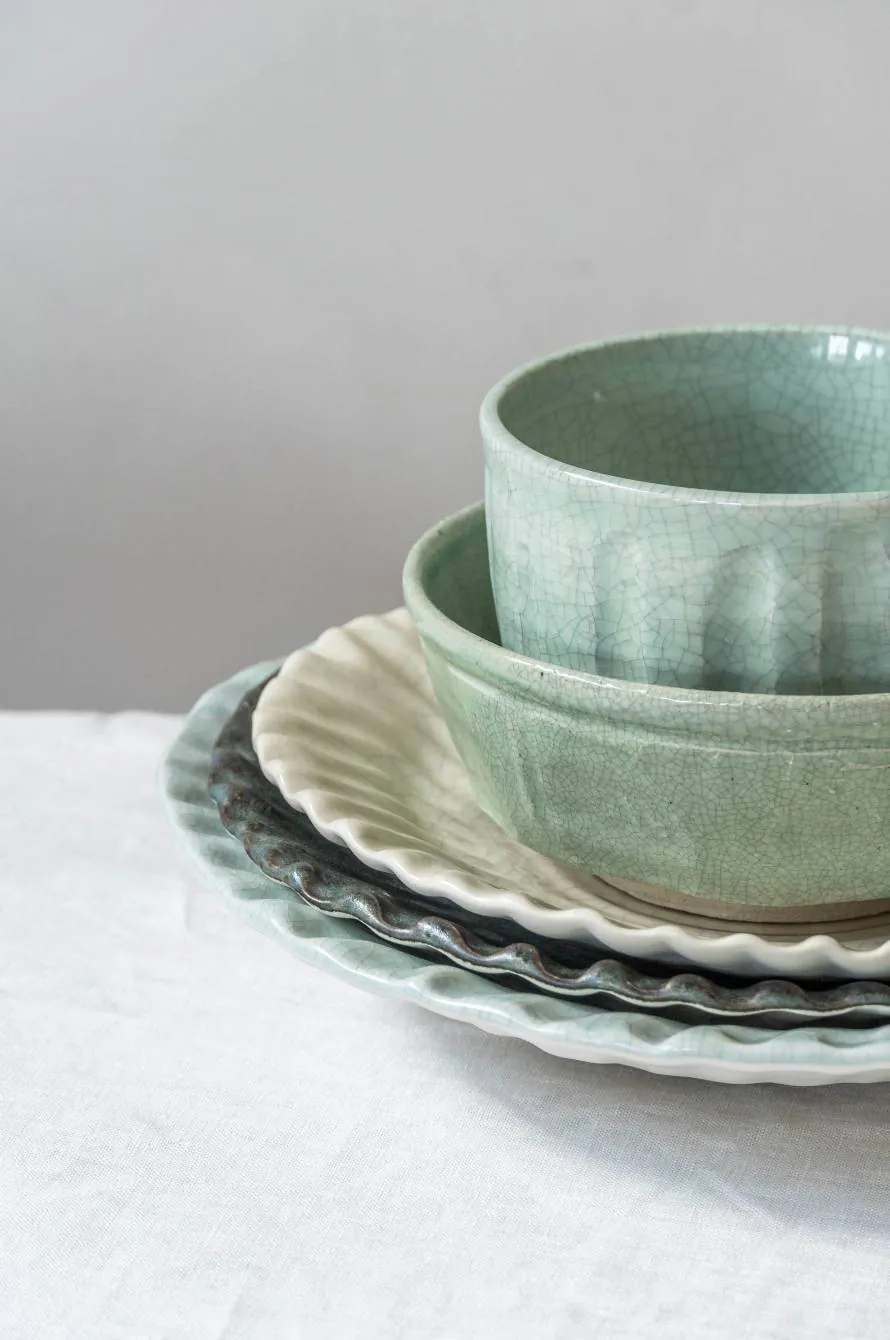
French stoneware fired for durability, in glazes made for candlelight.
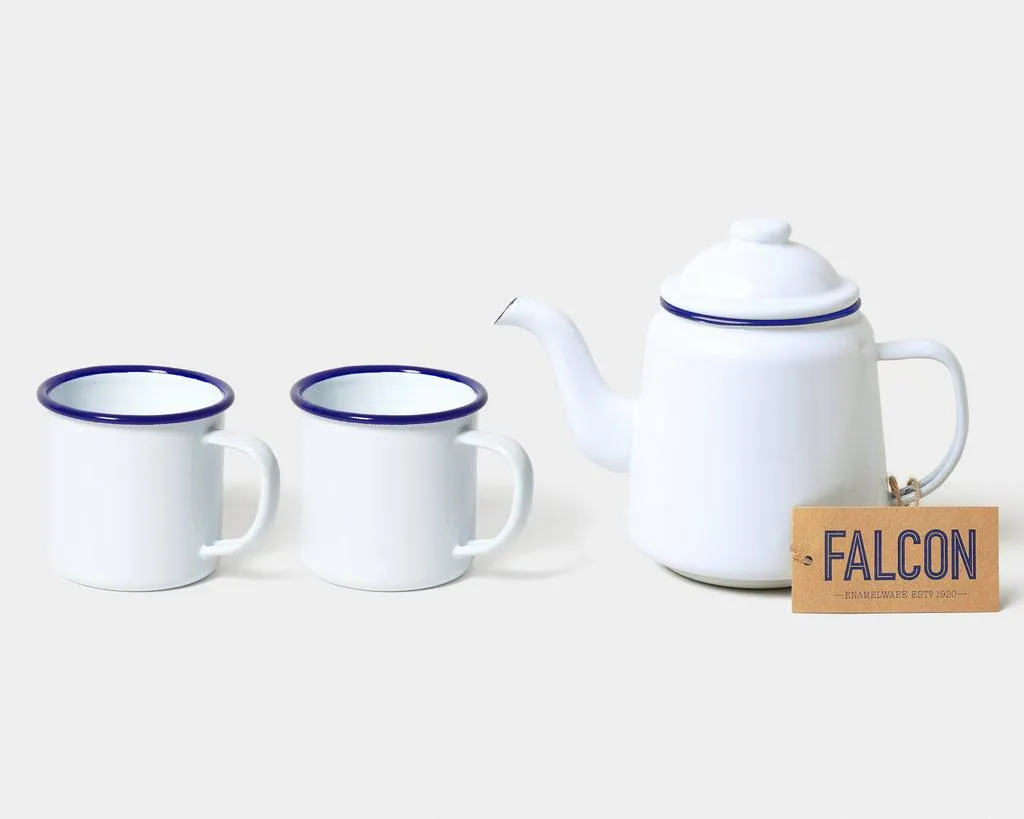
Enamel on steel, made the same way for a century. The prep bowl that became tableware.
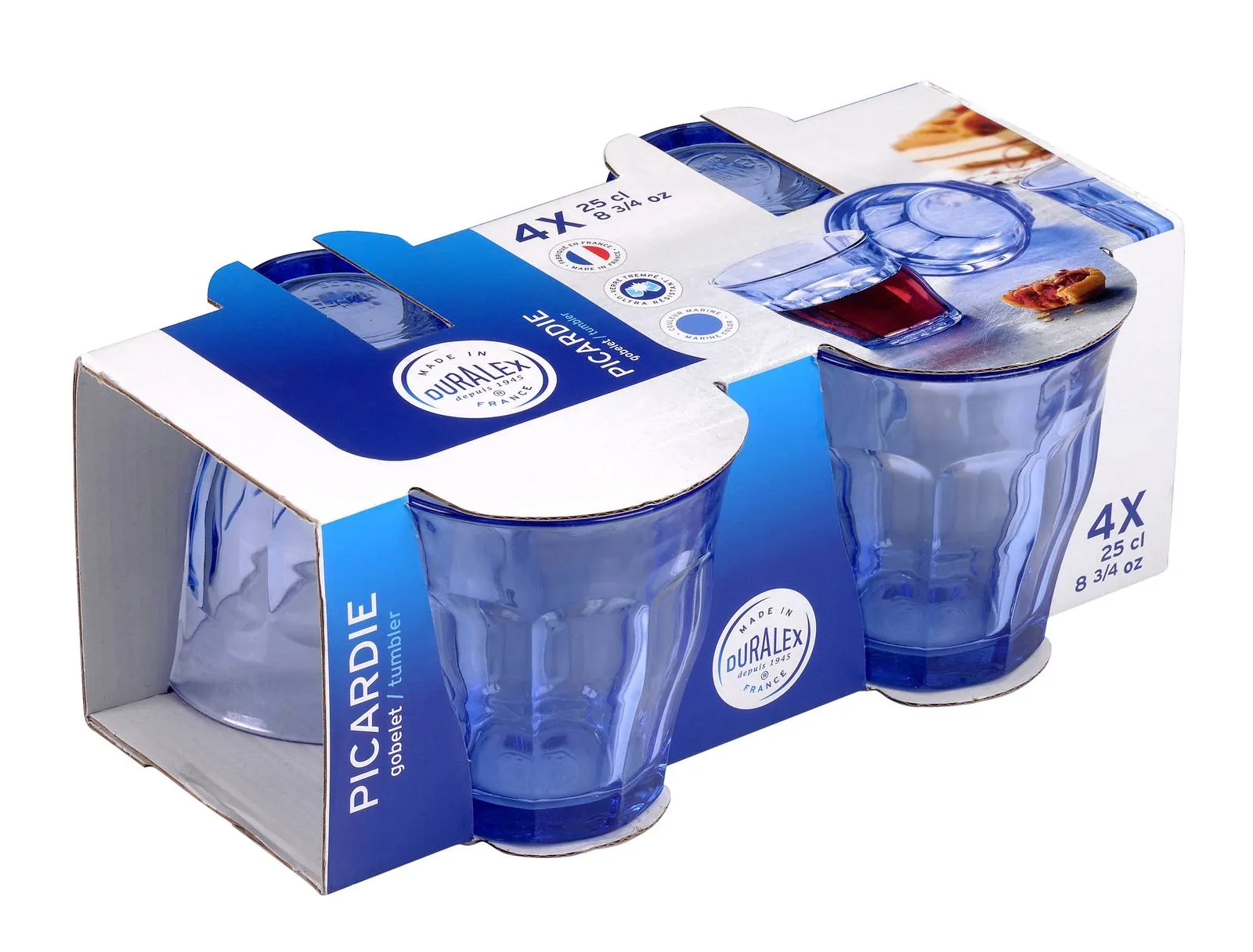
The tempered-glass tumbler found on more great tables than any crystal.
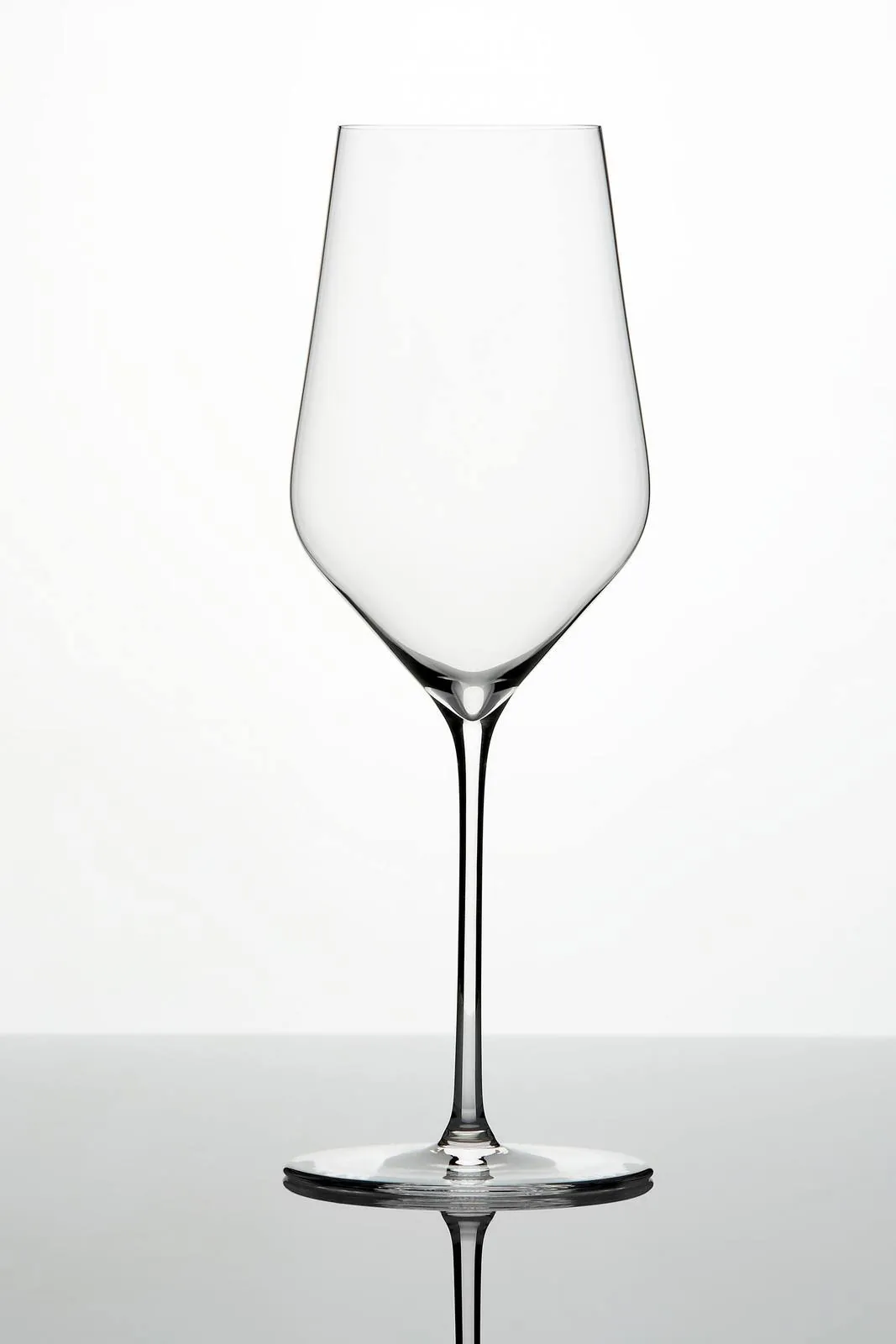
Mouth-blown Austrian crystal, impossibly light, angled to the earth's tilt.
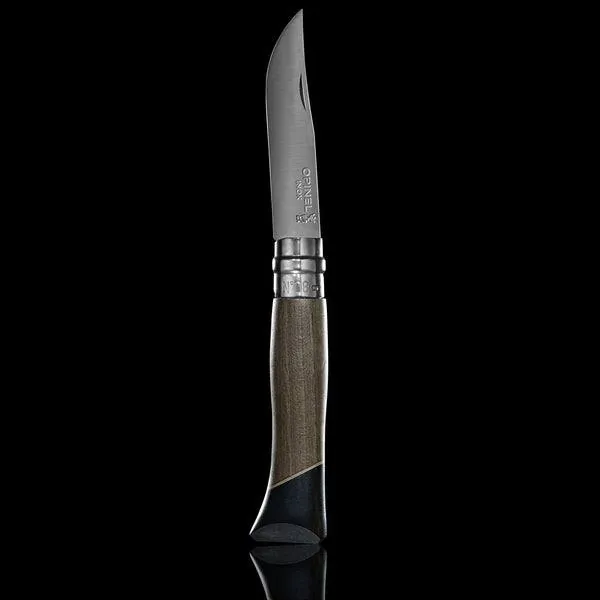
The Savoyard folding knife: beechwood, carbon or stainless, and a lock ring that has not changed in generations.
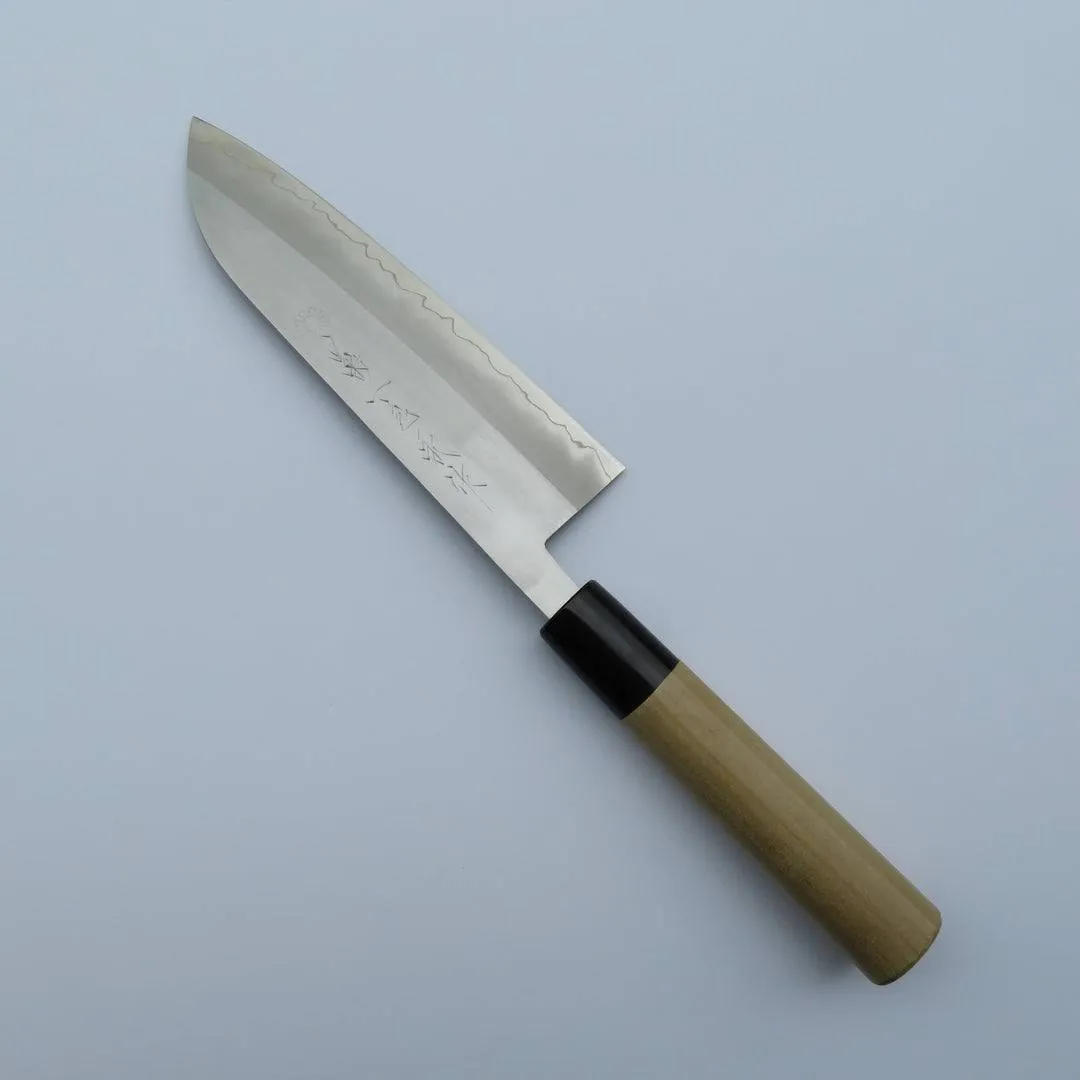
Japanese blades from a lineage that once made swords for the emperor's guard.
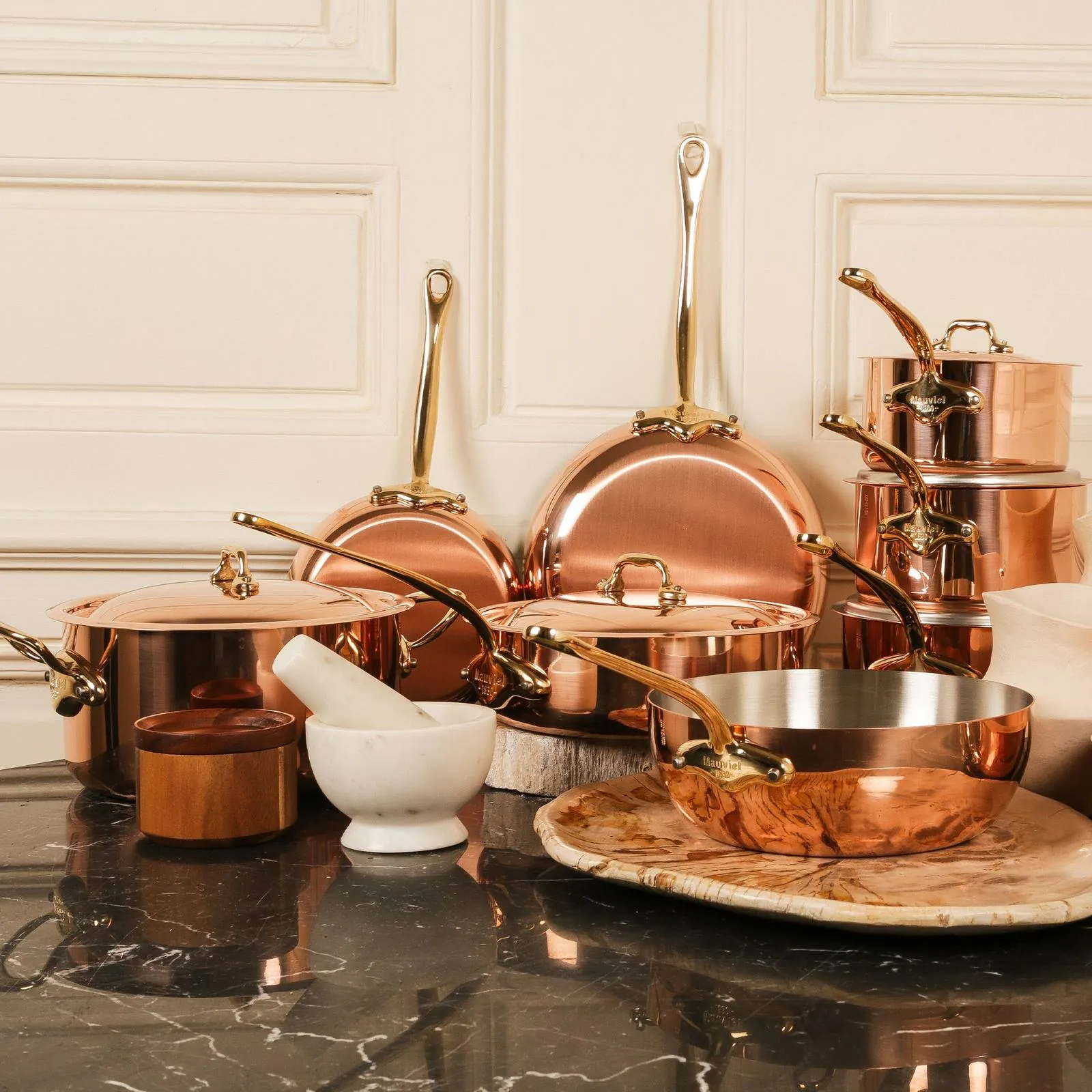
Norman copper, made since 1830, for the kind of heat control nothing else gives.
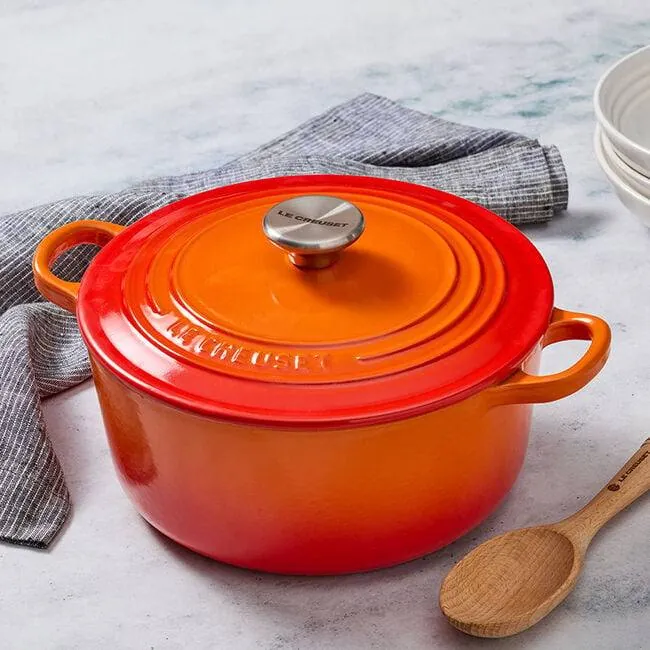
Enameled cast iron from northern France, unchanged in the ways that matter since 1925.
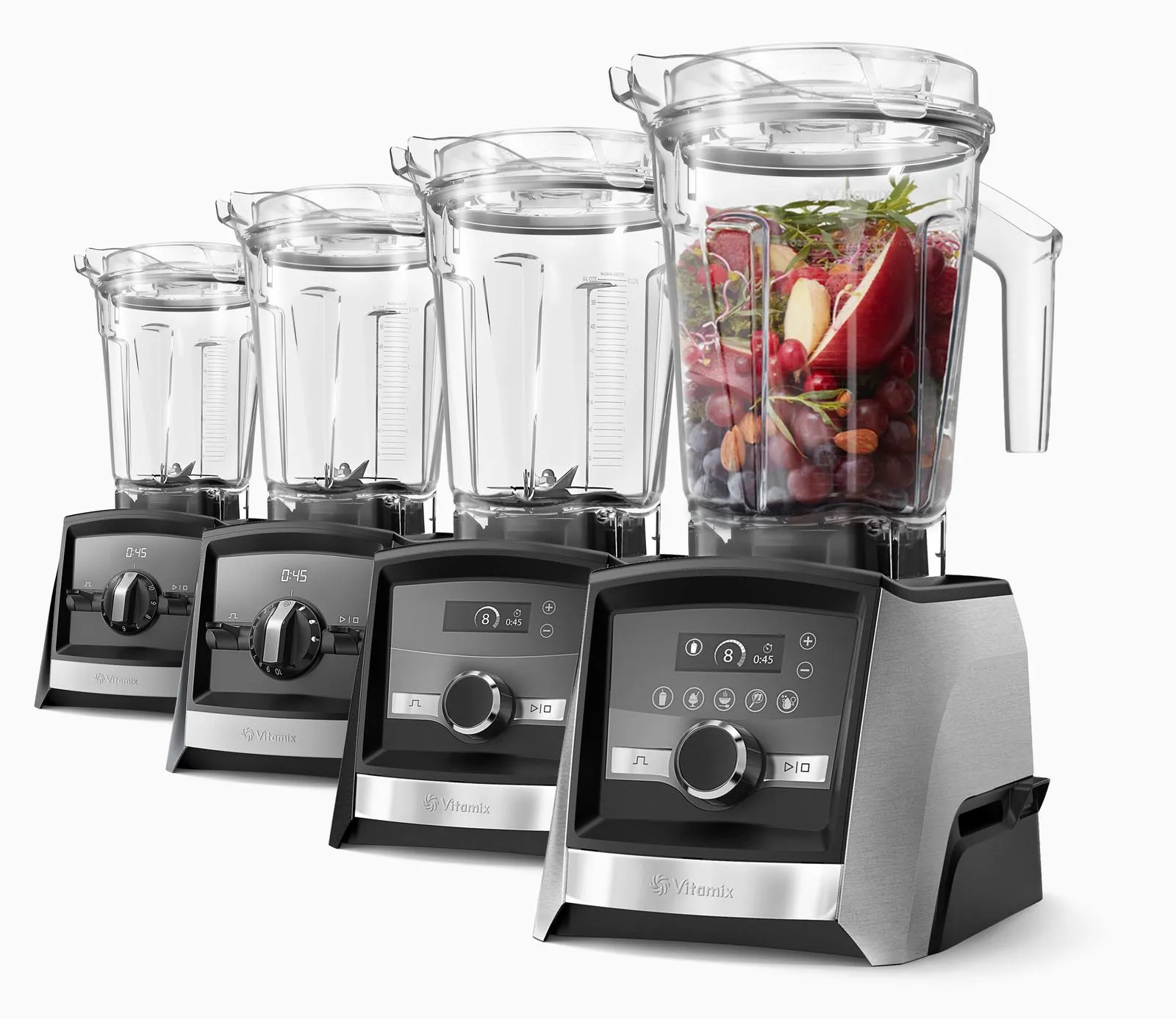
The high-performance blender that professional kitchens actually standardize on.
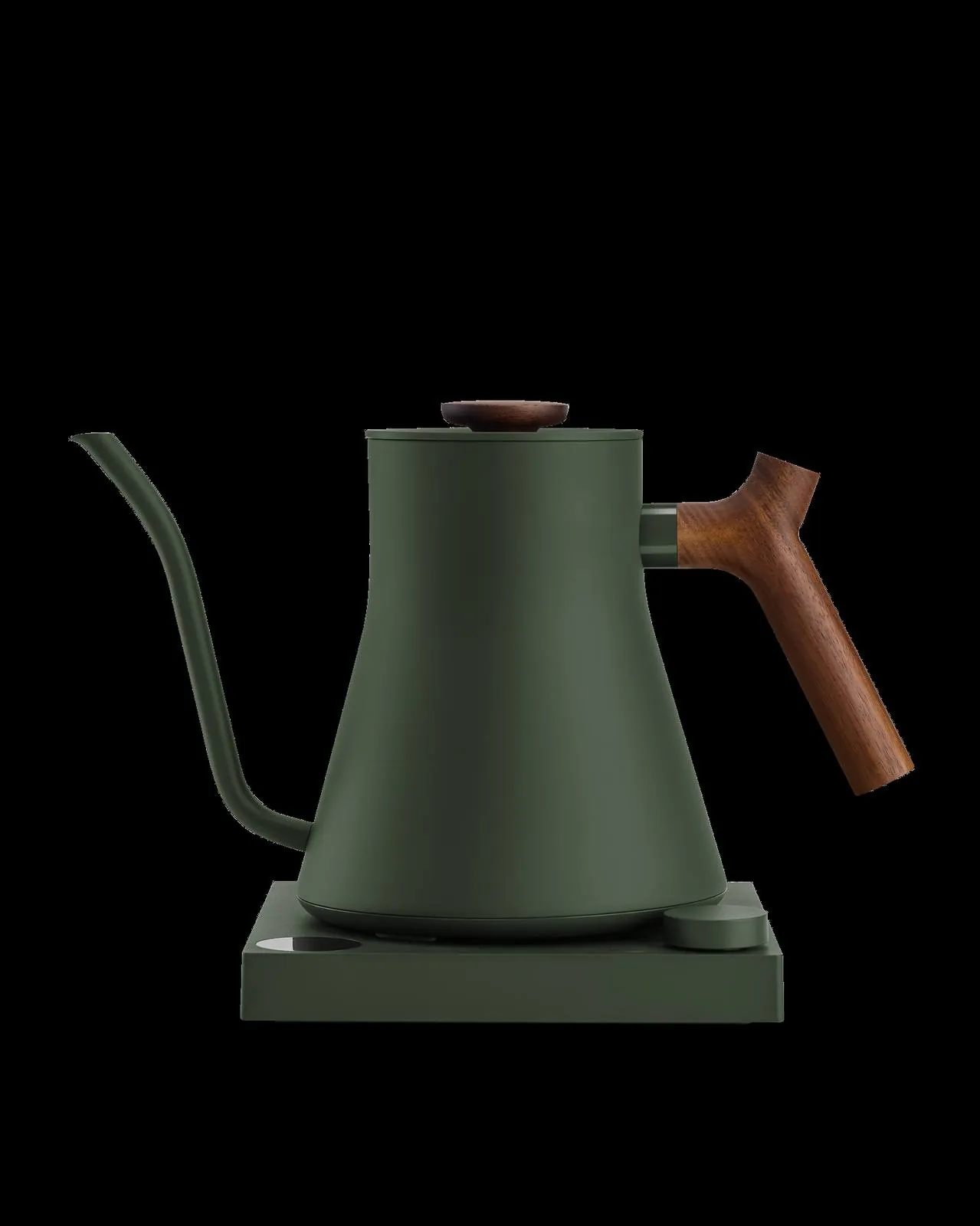
The precision pour-over kettle, with degree-level control and a counterbalanced handle.
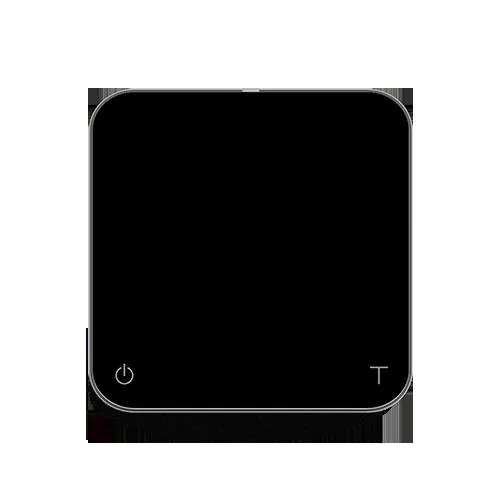
The coffee scale that taught a generation to weigh water.
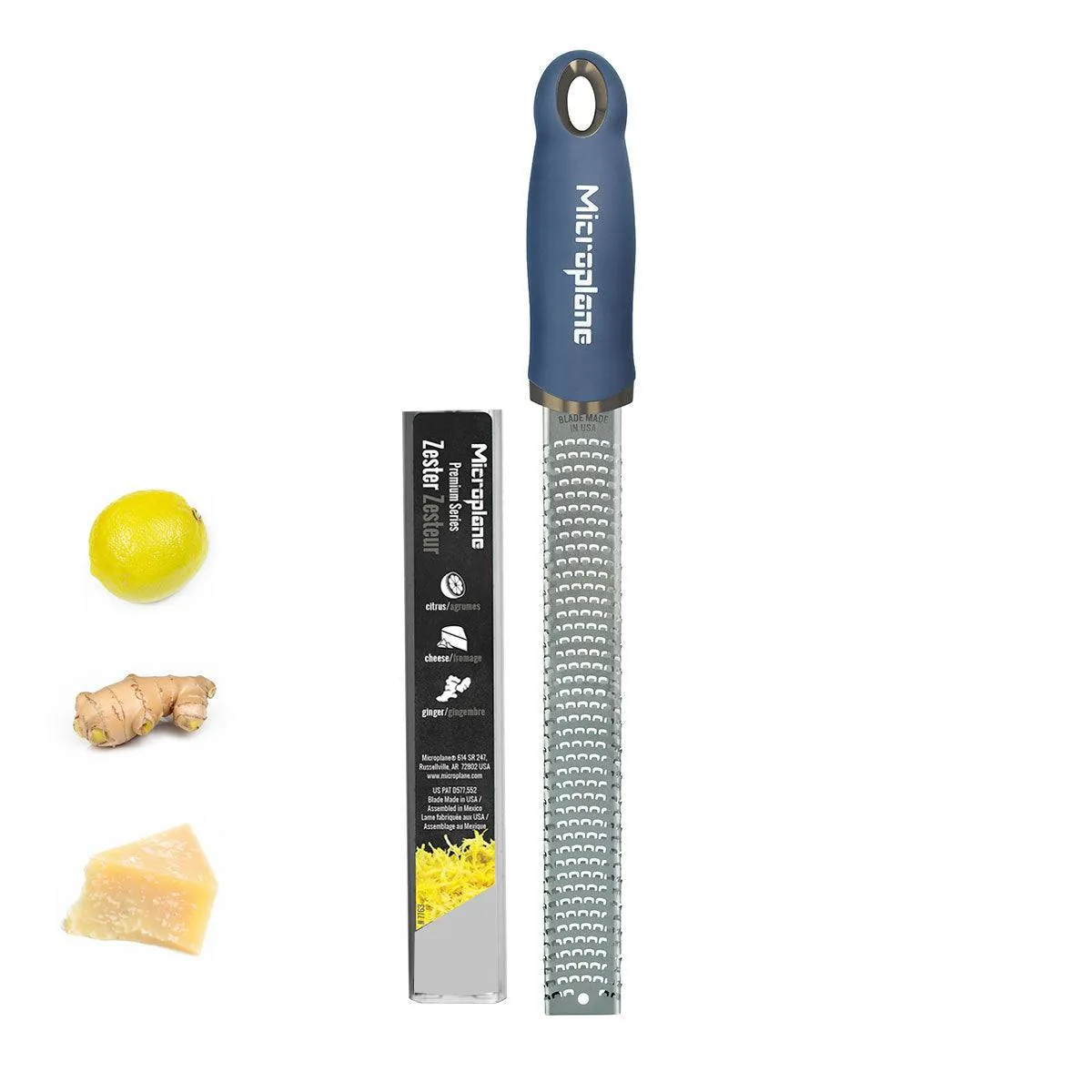
The woodworker's rasp that became the most-used tool in the kitchen drawer.
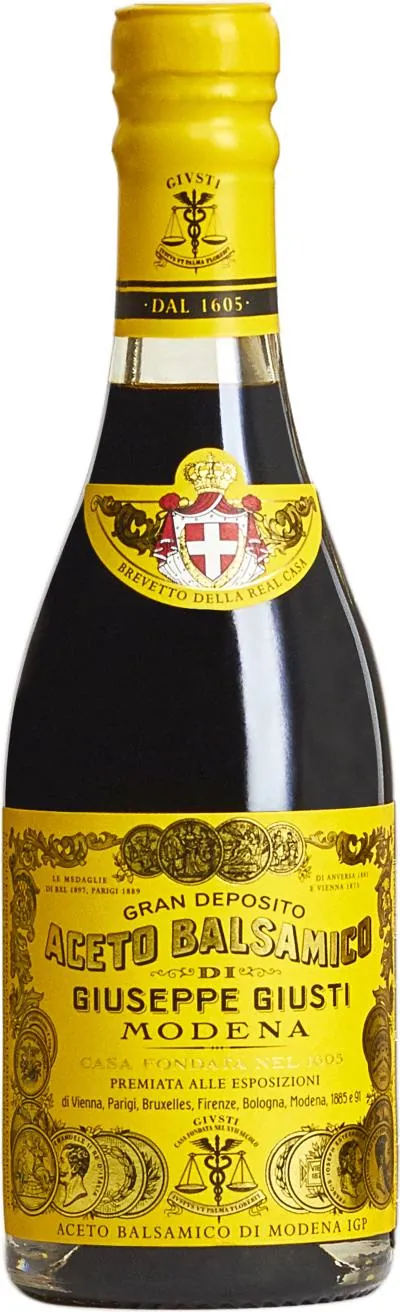
Traditional balsamic from the oldest vinegar house in Modena, aged in wooden barrels.
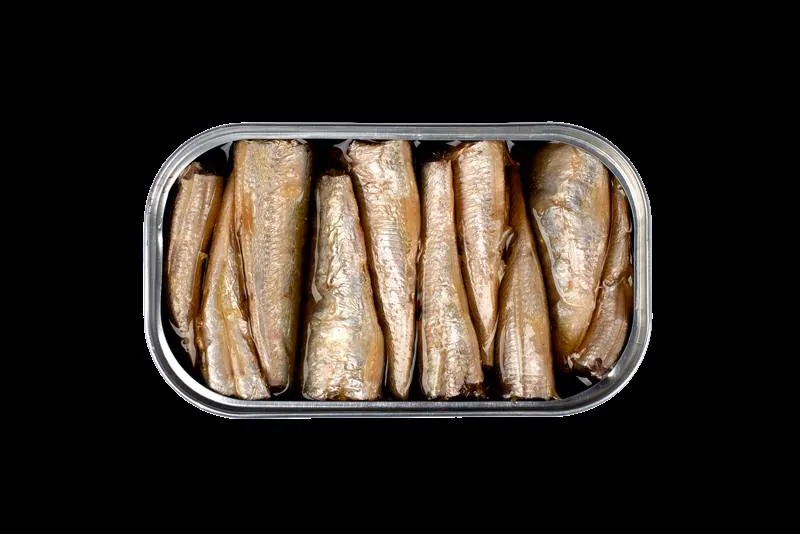
Portuguese conservas in packaging worth keeping, from a new generation of canneries.
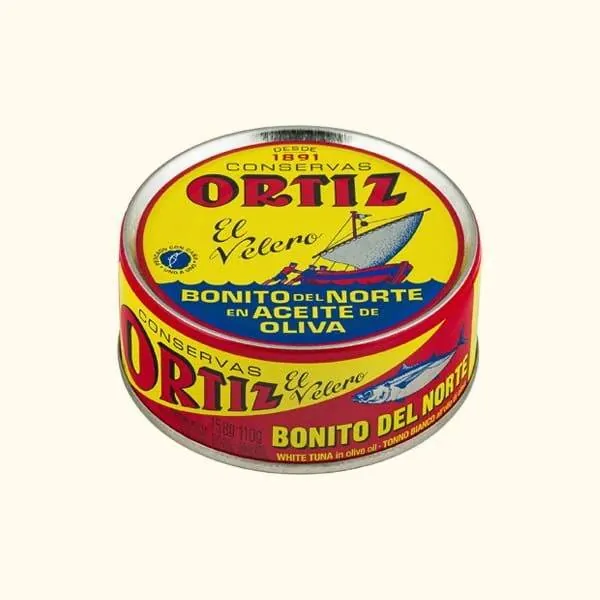
Line-caught Basque tuna, packed in olive oil by a fifth-generation cannery.
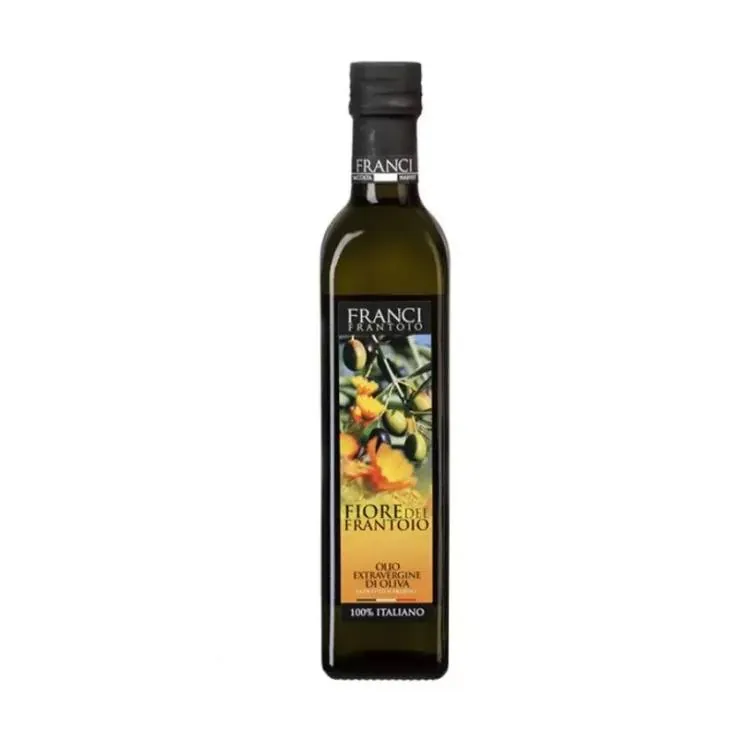
Tuscan estate oil, pressed from the family's own groves, peppery the way it should be.
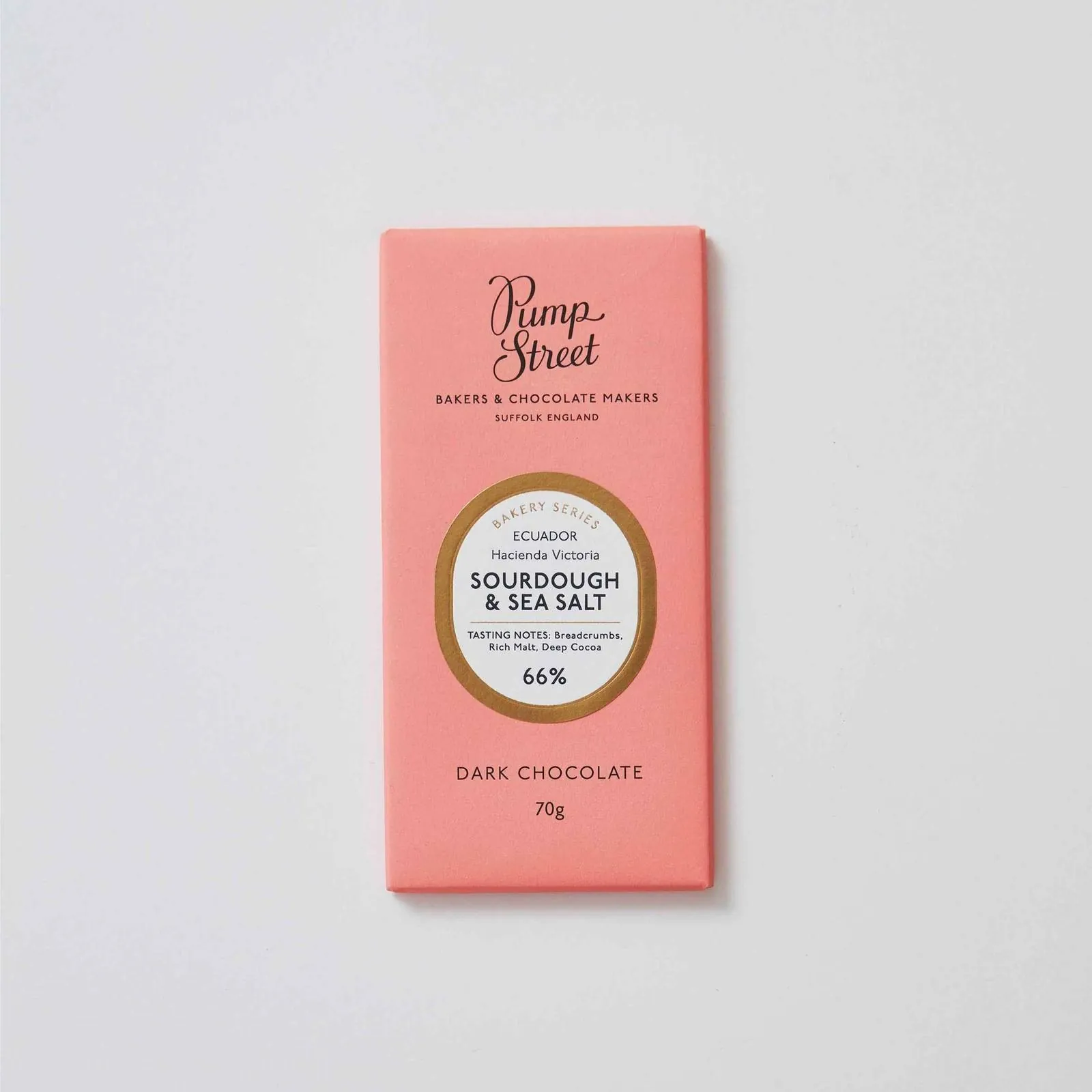
Single-origin chocolate made from the bean in a Suffolk bakery's back room.
The week's essential tables, in your inbox every Sunday.
Free. Unsubscribe anytime. Read our privacy policy.