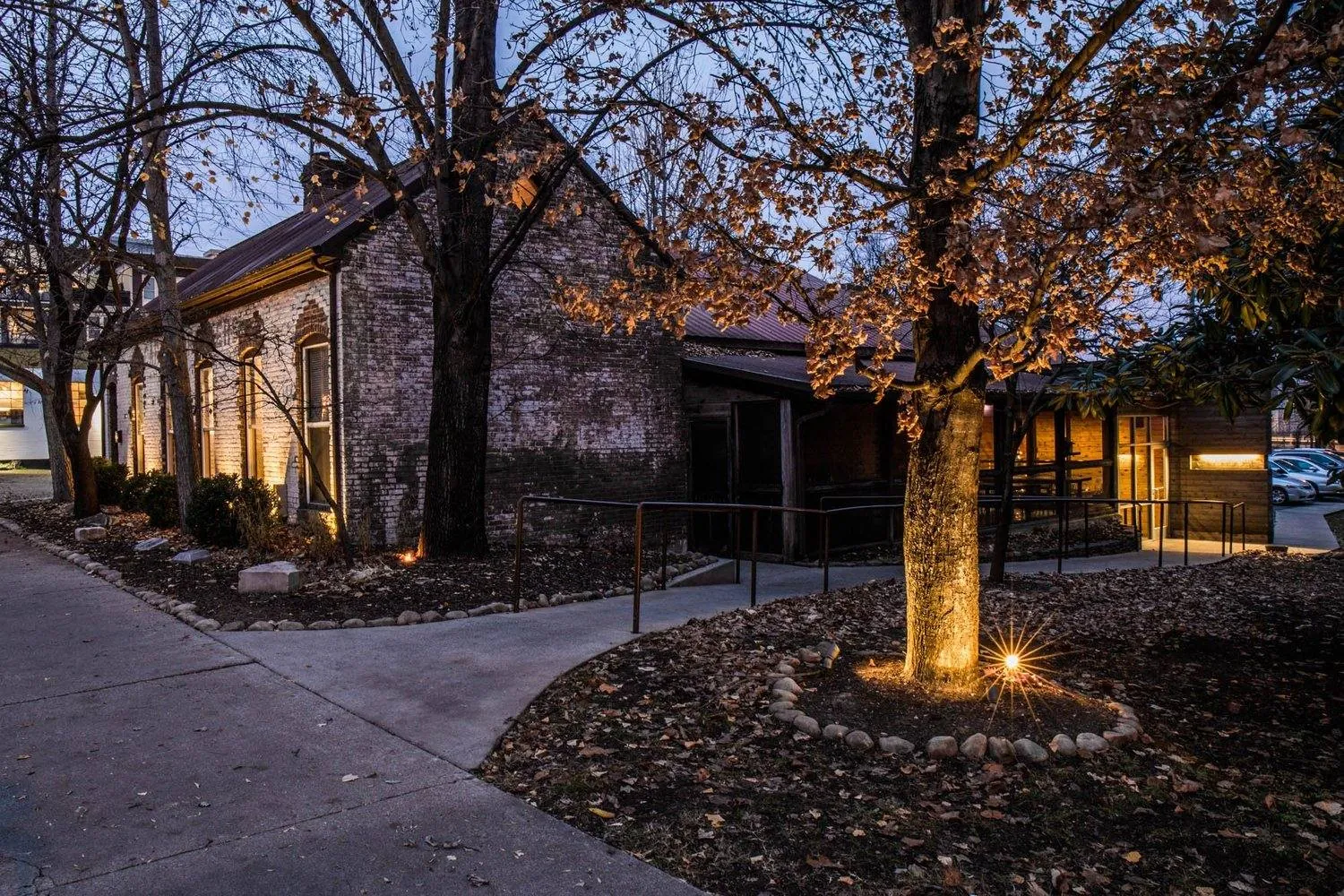
Tandy Wilson to Leave City House After 19 Years
Nashville's first James Beard Award winner will hand his Germantown restaurant to new operators at the end of the year. The name, the staff and the belly ham pizza stay.

Why the follow-up so rarely matches the original, and the few second acts that beat it.
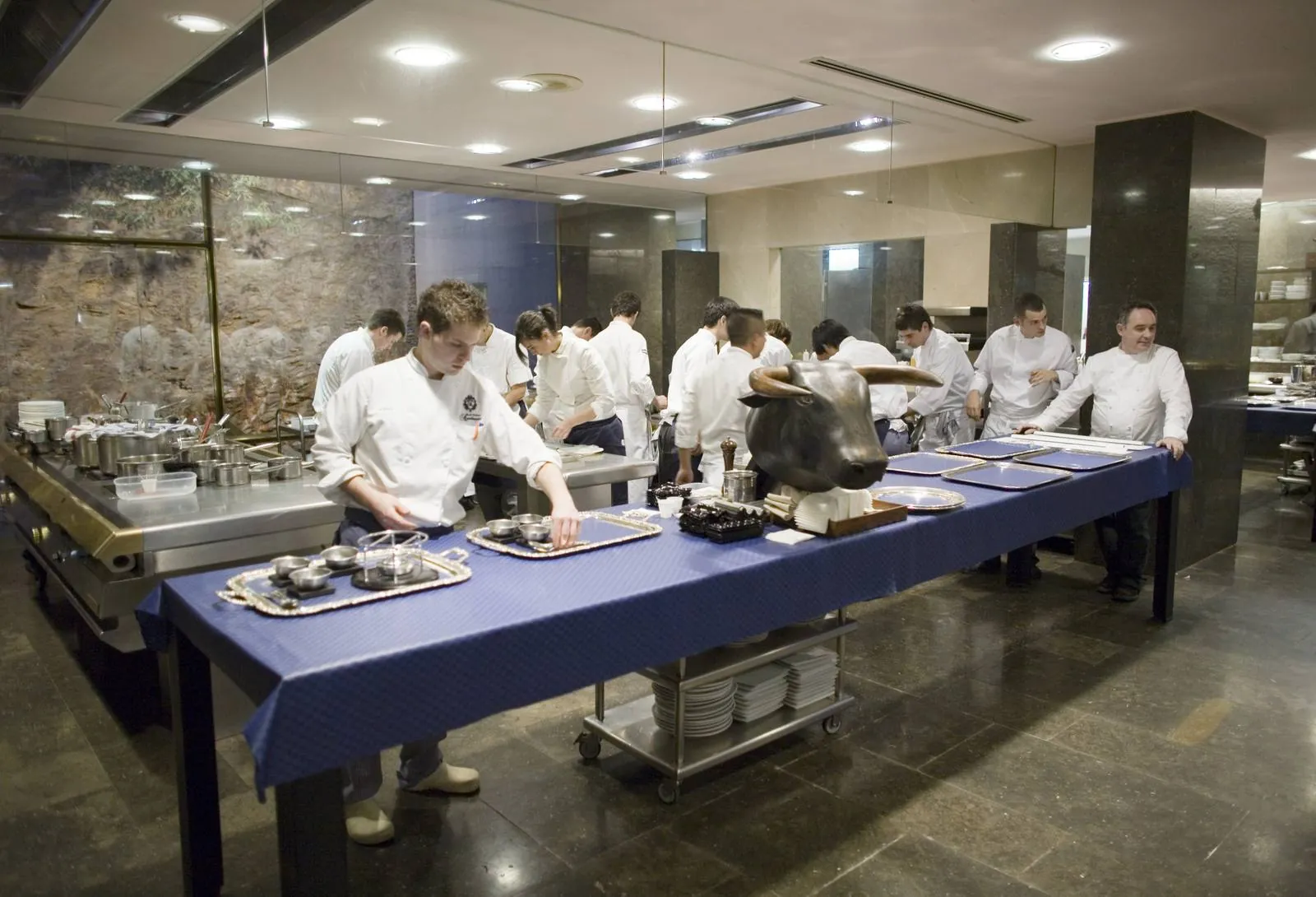
Ferran Adrià called the press to Madrid in February 2010 and announced the end. ElBulli, with three Michelin stars and a history of No. 1 rankings on the World's 50 Best list, would serve its final dinner on 30 July 2011. The most influential restaurant of its generation chose to close rather than repeat itself.
It was not an isolated decision. Wylie Dufresne opened wd~50 at 50 Clinton Street in April 2003 and closed it on 30 November 2014, when the developer took the site. The closure was a real estate verdict, not a culinary one. The effect was the same: the room that defined an era of New York cooking was gone.
Magnus Nilsson ran Fäviken in Sweden from 2008 to 2019 and closed it on 14 December 2019. He announced the decision that May, citing family reasons. At the height of his influence, he walked away from the dining room that made him famous.
Gaggan Anand closed Gaggan in Bangkok on 24 August 2019, weeks after a fourth consecutive year at No. 1 on Asia's 50 Best list. Four straight years at the top of a continent, then the doors shut on purpose.
Anand reopened that November as Gaggan Anand Restaurant. On 25 March 2025 in Seoul, it was named No. 1 on Asia's 50 Best list again: a fifth No. 1 since 2015. The second act outlasted the first, and then it outranked it.
Dinner by Heston Blumenthal opened in January 2011 at the Mandarin Oriental Hyde Park in London. It holds two Michelin stars. It will close in January 2027, when its tenancy ends, on its sixteenth anniversary. Even the successes have expiry dates.
Gucci Osteria da Massimo Bottura opened in Florence in January 2018, on the Piazza della Signoria. It earned its first Michelin star in the 2020 Italian Guide, with Karime Lopez as chef de cuisine. Bottura exported the name and kept the standard.
The pattern is not about talent. It is about context. The original restaurant had years to become itself: to train its regulars, to build its brigade, to make its mistakes in private. The follow-up is judged on opening night, against a memory. Critics arrive with the old menu memorized.
The chef is also divided. The first restaurant had all of them. The second gets what remains after the books, the television, and the empire. Diners can taste the difference, even when they cannot name it.
The exceptions share one trait: the chef started over. Anand did not reopen Gaggan; he opened a restaurant with his own name on the door. Bottura did not clone Osteria Francescana; he built a Florentine dining room inside a fashion house. Blumenthal did not rebuild the Fat Duck; he cooked historic British recipes in a hotel.
Adrià understood this before the rest. At that Madrid press conference in February 2010, he insisted the closure was a transformation, not a surrender.
El Bulli is not closing down.Ferran Adrià, February 2010
He was half right. The restaurant closed. The idea did not. That may be the only reliable way to beat the curse: let the first act end cleanly, and build the second one as something new.
Filed from the Chefs desk.
Nashville's first James Beard Award winner will hand his Germantown restaurant to new operators at the end of the year. The name, the staff and the belly ham pizza stay.
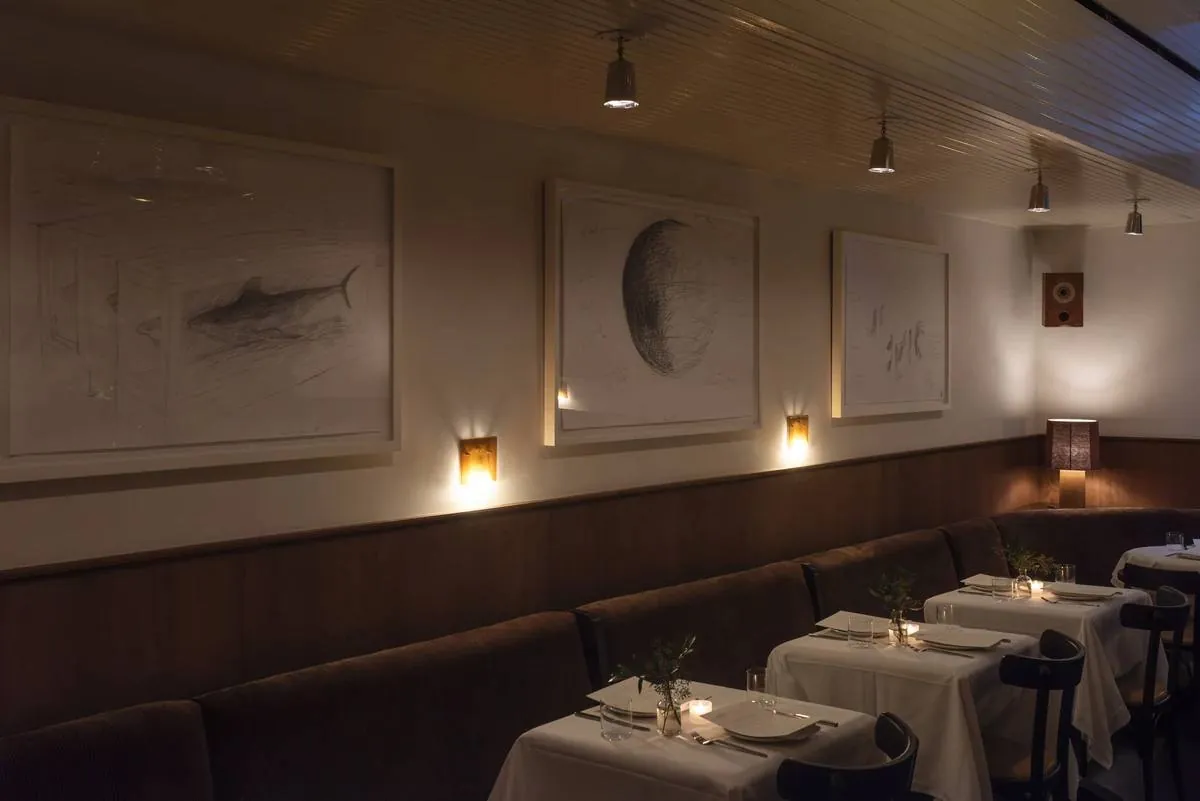
Straker’s opened at 59 Grand Street on October 10, in the former Lucky Strike space: the chef’s first restaurant outside London.
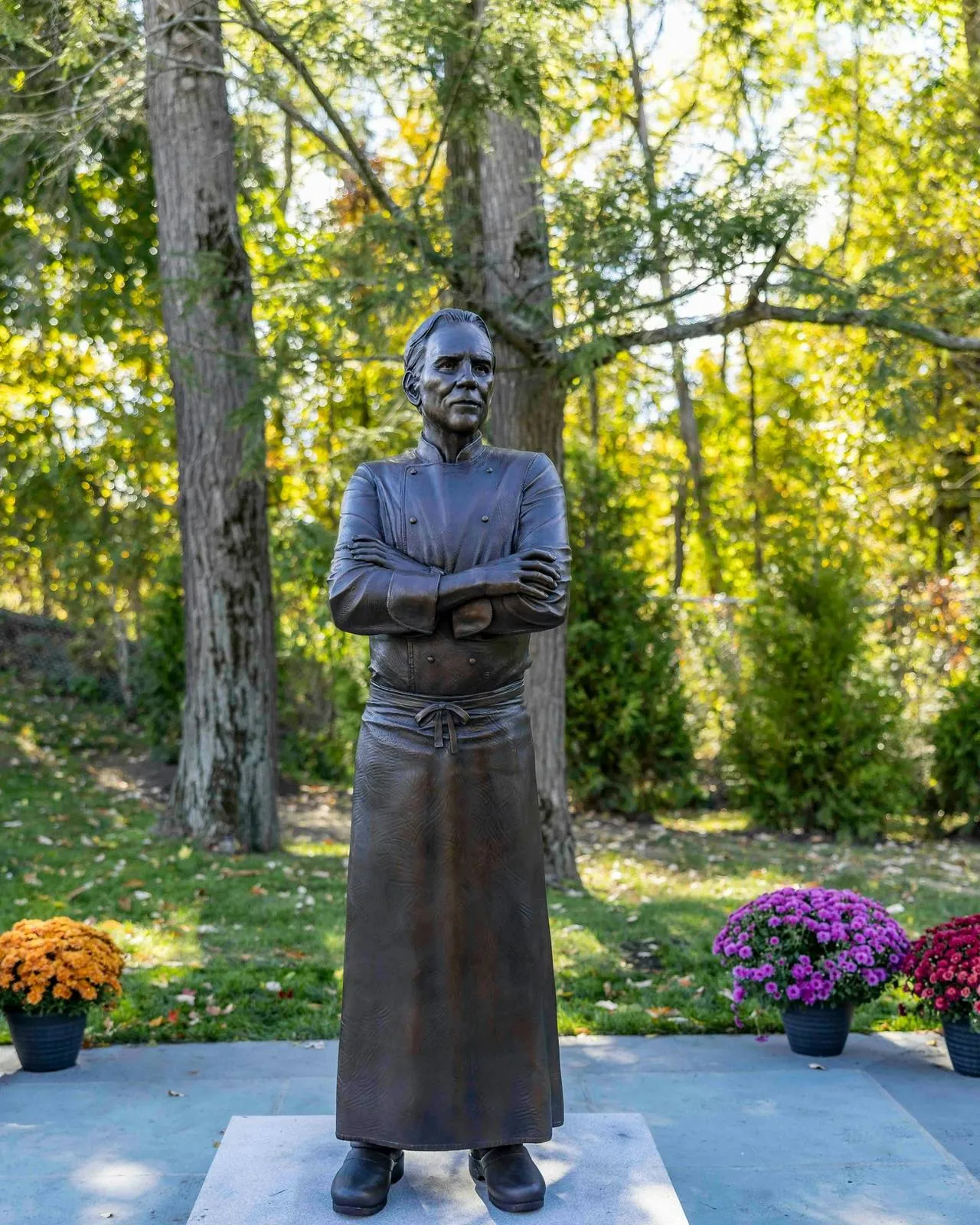
The Culinary Institute of America has honored the chef with a bronze by Gordon Huether. Keller's own words say what he hopes it will teach.
The week's essential tables, in your inbox every Sunday.
Free. Unsubscribe anytime. Read our privacy policy.