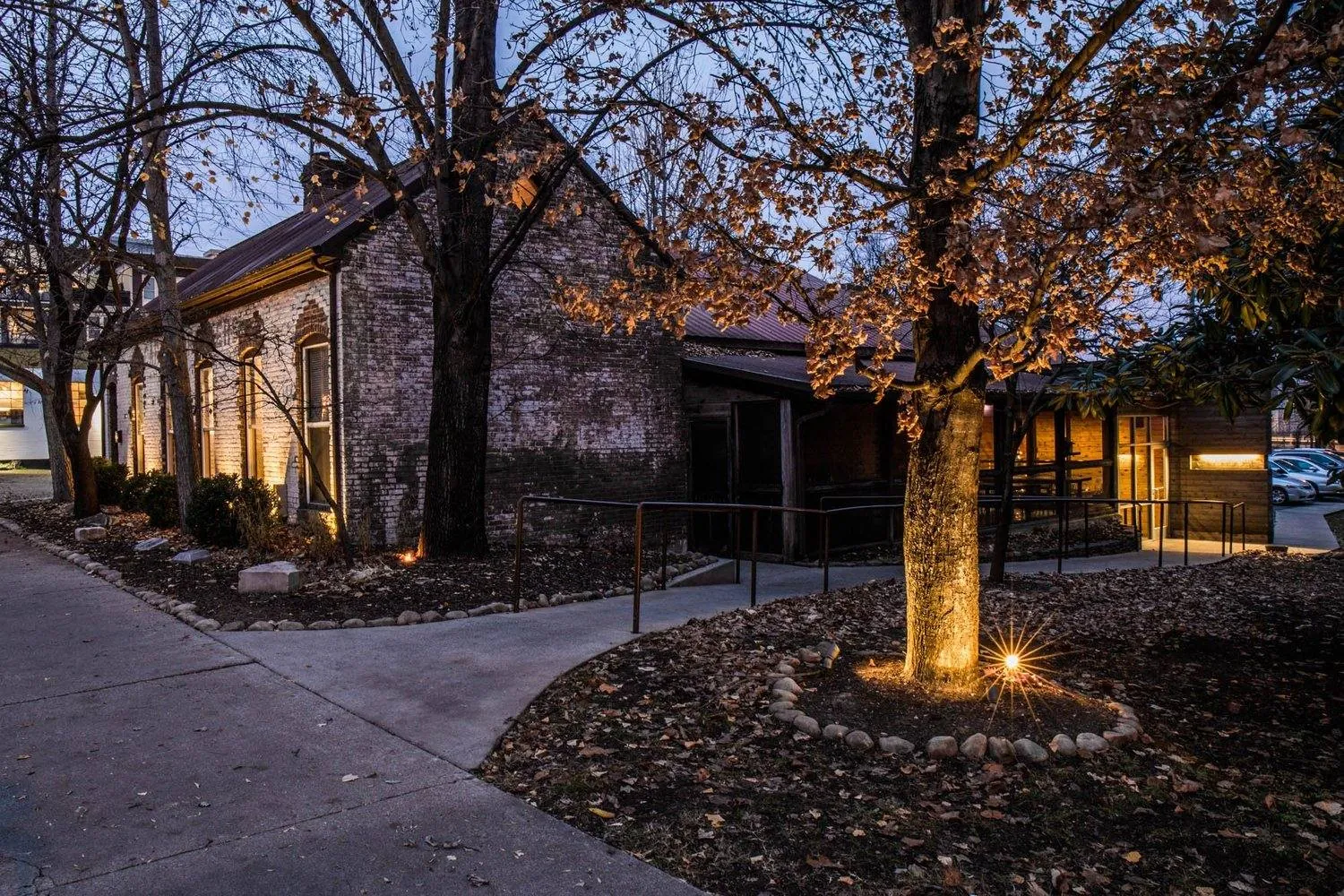
Tandy Wilson to Leave City House After 19 Years
Nashville's first James Beard Award winner will hand his Germantown restaurant to new operators at the end of the year. The name, the staff and the belly ham pizza stay.

The economics of chasing stars, from reported figures.
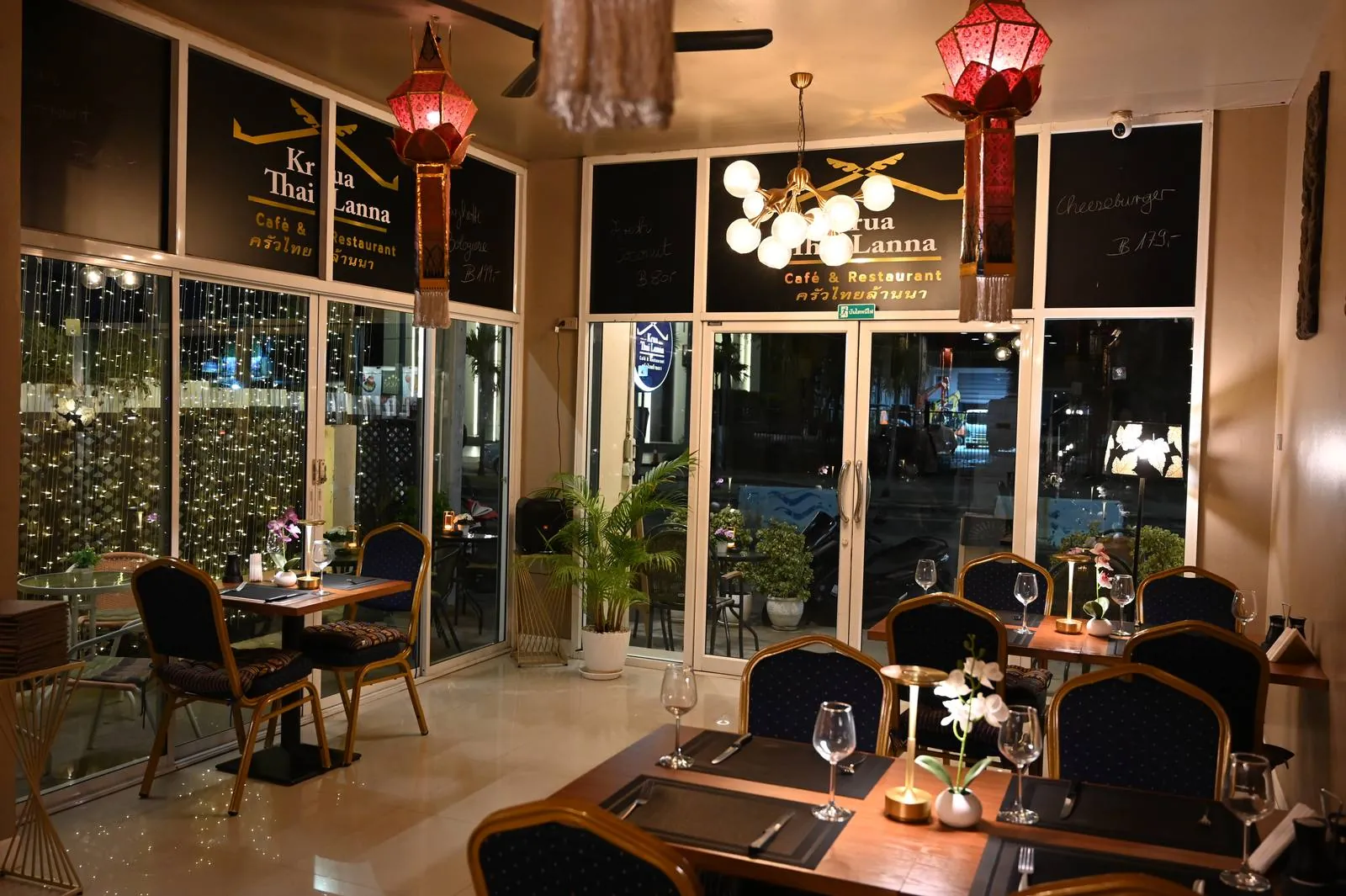
The Michelin Guide presents itself as an independent arbiter. Its expansion is a paid product.
In 2019 the California tourism bureau paid $600,000 for a state guide. In Florida, Visit Florida paid $150,000 for a one-year partnership, renewed twice at the same price, with local agencies contributing about $116,000 a year each. Statewide, the Florida guide has cost at least $1.5 million over three years.
None of this is secret. It is reported, on the record, in the Tampa Bay Times. The map of starred restaurants follows the money that pays for the map.
Sébastien Bras asked Michelin to remove Le Suquet from the 2018 guide, citing the pressure of two or three inspections a year, never knowing when. The cost of a star is not just the food. It is the vigilance: every one of 500 daily covers potentially judged, every service a possible exam.
Marco Pierre White handed back his three stars in 1999, on retiring from daily kitchen work. He had become the youngest chef to hold three stars at 32, in 1994. His verdict on the guide was characteristically blunt.
I don't need Michelin and they don't need me. They sell tyres, I sell foodMarco Pierre White, 2018
The starred kitchen cannot have an off night. The menu drifts toward what inspectors reward: technique, consistency, luxury ingredients. Creativity is permitted only inside the lines. That is the real price, and no tourism board pays it.
Noma's current set menu costs DKK 6,500 per person including the wine pairing, about $990, according to the restaurant's own website via Reuters. The 2023 game and forest menu was DKK 3,500, about £415. The tasting menu is the economic engine of the starred restaurant: fixed price, fixed covers, controlled cost. The fixed price is the point. The starred restaurant sells certainty at a premium, and the diner buys the evening as much as the meal.
Magnus Nilsson's Fäviken shows the escalation. In the early days the team averaged 80-hour weeks. In 2015 Nilsson tripled the team, expanded from 16 to 24 covers, and raised prices from €175 to €300. More staff, more covers, higher prices: the star economy in miniature.
Put the two sides together. Tourism boards pay seven figures for the guide to exist in their state. Restaurants pay in labor, vigilance, and the slow deformation of the menu toward what inspectors reward. Diners pay in four-figure evenings.
None of the parties is irrational. The tourism board buys prestige by association. The restaurant buys the most powerful marketing in food. The diner buys certainty.
The inspectors are anonymous and their meals are paid for, which is more than most rankings offer. But the selection of which cities get inspected is commercial. Both things are true at once.
This is not an argument against stars. It is an argument for reading them the way you read any sponsored content: with attention to who paid. A star is a real achievement. It is also, in part, a purchased one.
Filed from the Chefs desk.
Nashville's first James Beard Award winner will hand his Germantown restaurant to new operators at the end of the year. The name, the staff and the belly ham pizza stay.
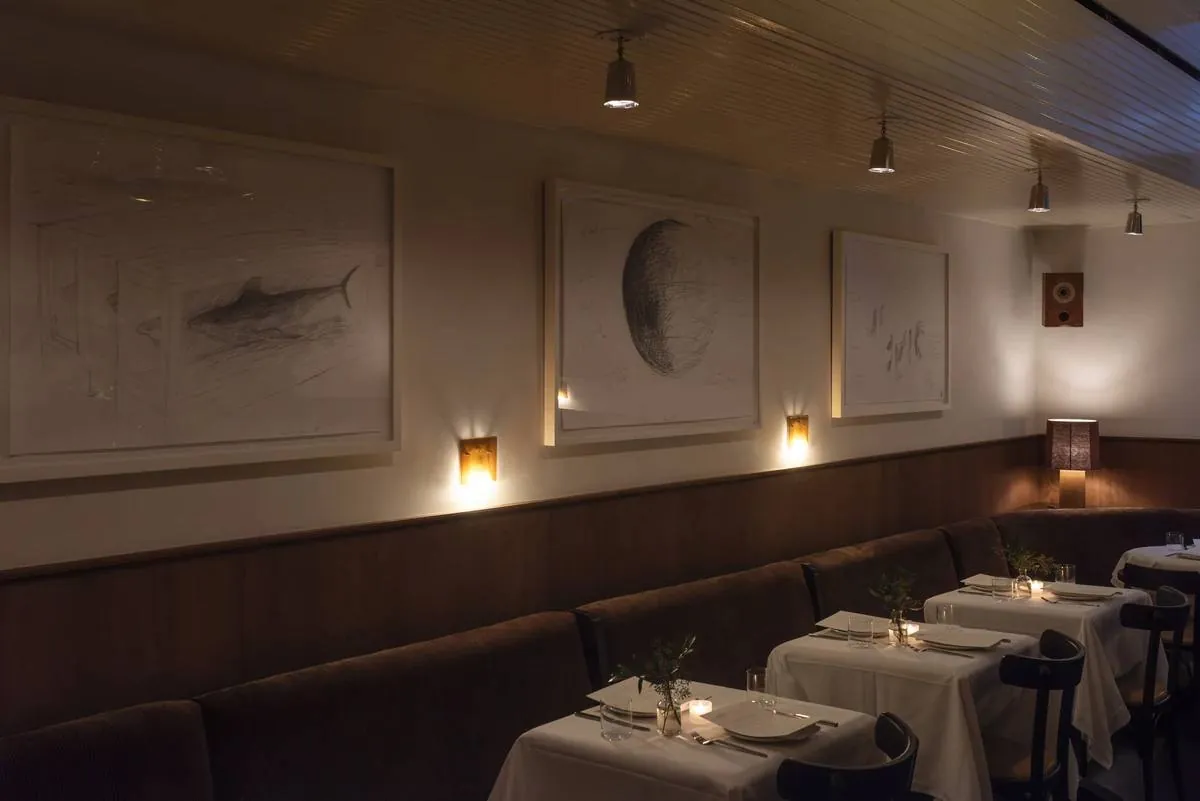
Straker’s opened at 59 Grand Street on October 10, in the former Lucky Strike space: the chef’s first restaurant outside London.
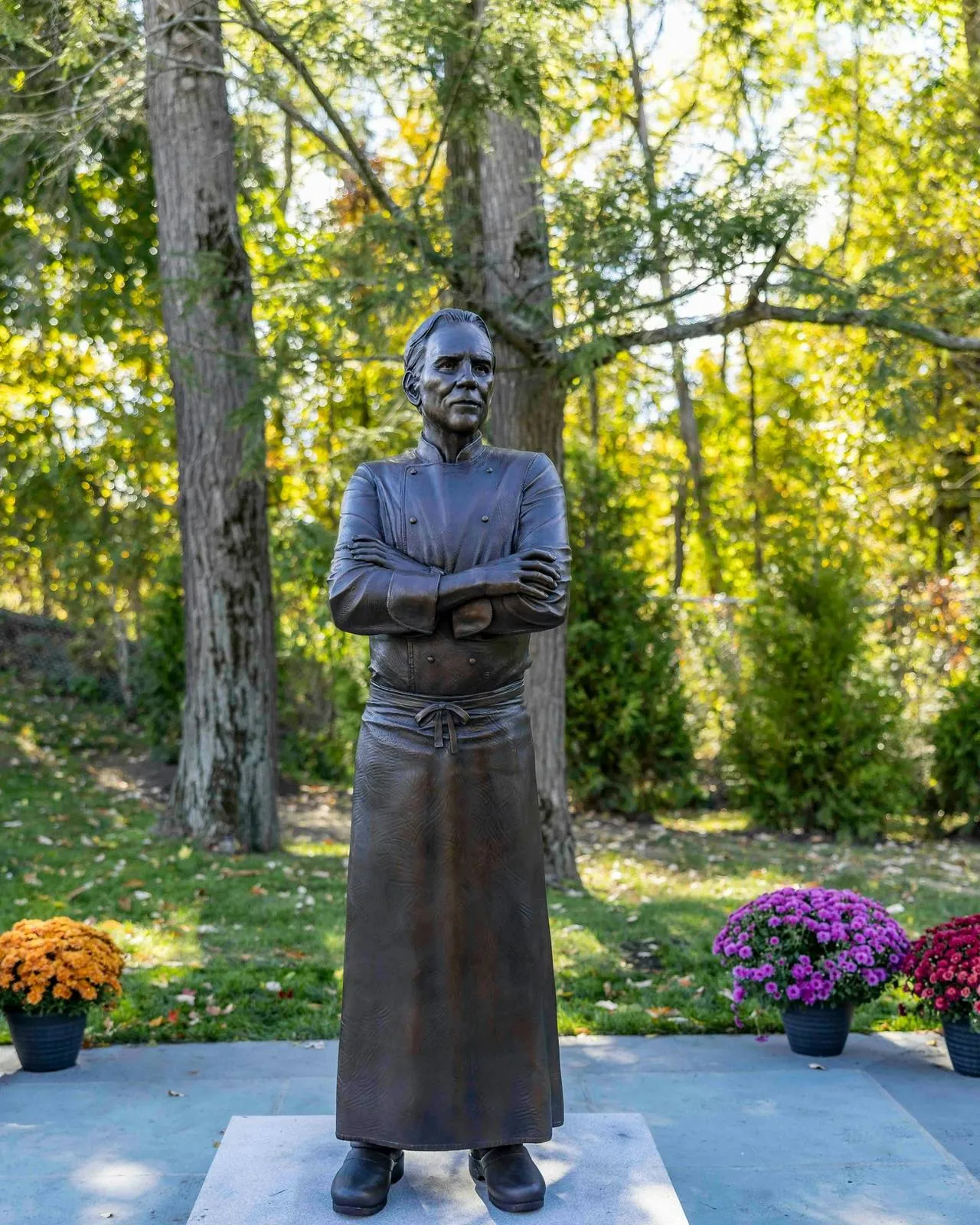
The Culinary Institute of America has honored the chef with a bronze by Gordon Huether. Keller's own words say what he hopes it will teach.
The week's essential tables, in your inbox every Sunday.
Free. Unsubscribe anytime. Read our privacy policy.