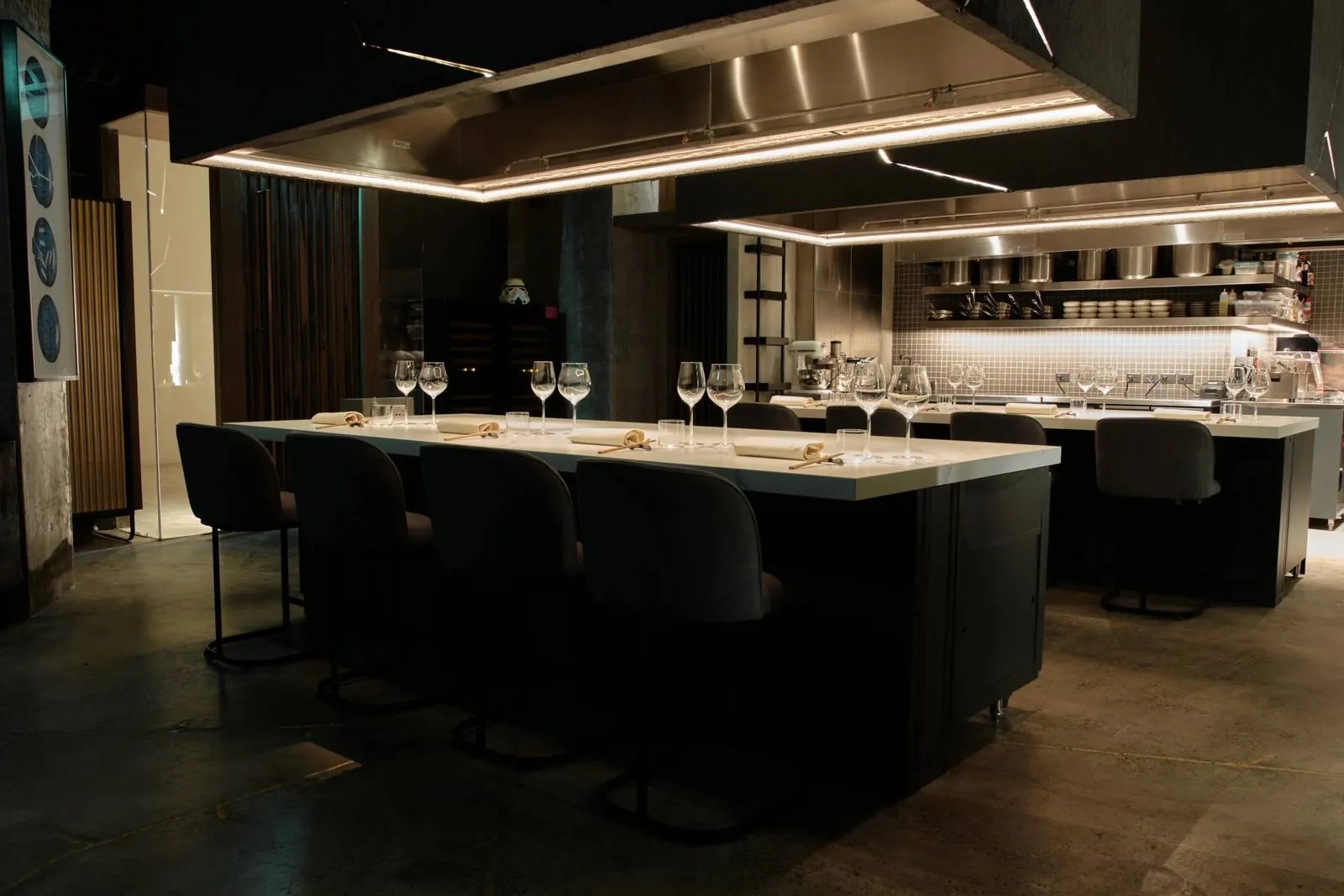
Michelin Manila and Cebu 2027: FLOW Earns the Only New Star
The second Philippine selection grows to 127 establishments, as Helm holds two stars in Makati and every starred restaurant from the first edition keeps its rating.

The Japanese Restaurant at The Chedi Andermatt was promoted to three stars, leading a Swiss selection of 133 starred restaurants for 2026.
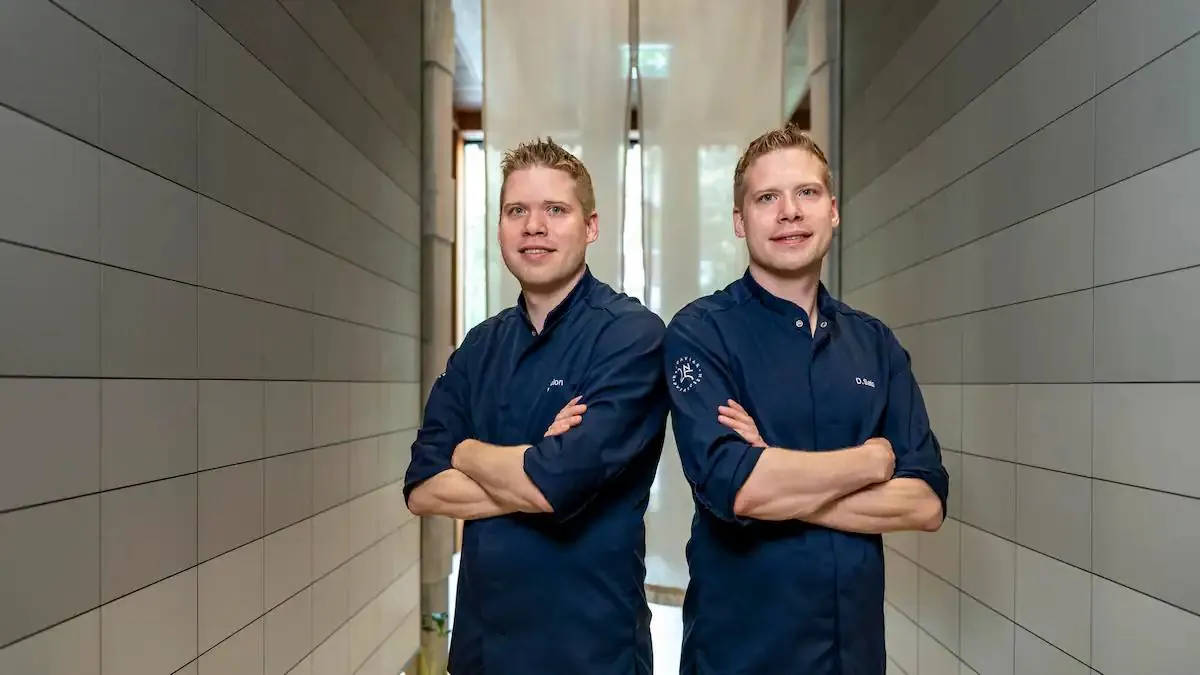
Switzerland has a fifth three-star restaurant. The Michelin Guide Switzerland 2026, announced on Monday night, November 2, around a ceremony in Andermatt, promoted The Japanese Restaurant at The Chedi Andermatt from two stars to three. The restaurant, in the canton of Uri, is led by twin brothers Dominik Sato and Fabio Toffolon, and it joins one of the smallest top tables in world gastronomy.
The company at three stars is exacting. The existing four are Memories in Bad Ragaz, the Hotel de Ville in Crissier, Cheval Blanc in Basel and Schloss Schauenstein in Furstenau. Across the full selection, Switzerland now counts 133 starred restaurants: five at three stars, 22 at two stars and 106 at one star, seven of them new. No restaurant was promoted to two stars this year, which makes the single promotion at the top the whole story of the night.
The Chedi's own account of the climb is a study in patience. The Japanese Restaurant took its first star in 2017. In 2023 it rose to two stars, and the brothers received the Michelin Young Chef Award. The third star arrived three years later. The hotel holds 18 GaultMillau points for the restaurant alongside the stars, and the kitchen's format is Japanese in technique and European in structure: omakase menus, sushi and sashimi, built as fine dining rather than as a counter ritual alone.
The address matters to the achievement. Andermatt is an Alpine resort village, not a capital, and The Japanese sits inside a hotel at Gotthardstrasse 4. A three-star kitchen at altitude, in a ski town, serving Japanese cooking: a generation ago that sentence would have read as a novelty. In 2026 it reads as the logical end of a nine-year inspection record, which is precisely how Michelin intends its top grade to work.
The brothers' second room underlines the point. The Japanese at Gutsch, also under Sato and Toffolon, serves lunch at 2,400 metres above sea level, looking over the Gotthard Pass, the Oberalp Pass and the Ursern Valley. It holds one star and 17 GaultMillau points, and the hotel describes it as one of the highest Michelin-starred restaurants in Europe. Between the valley floor and the mountain station, a single hotel now runs Japanese kitchens at one star and at three.
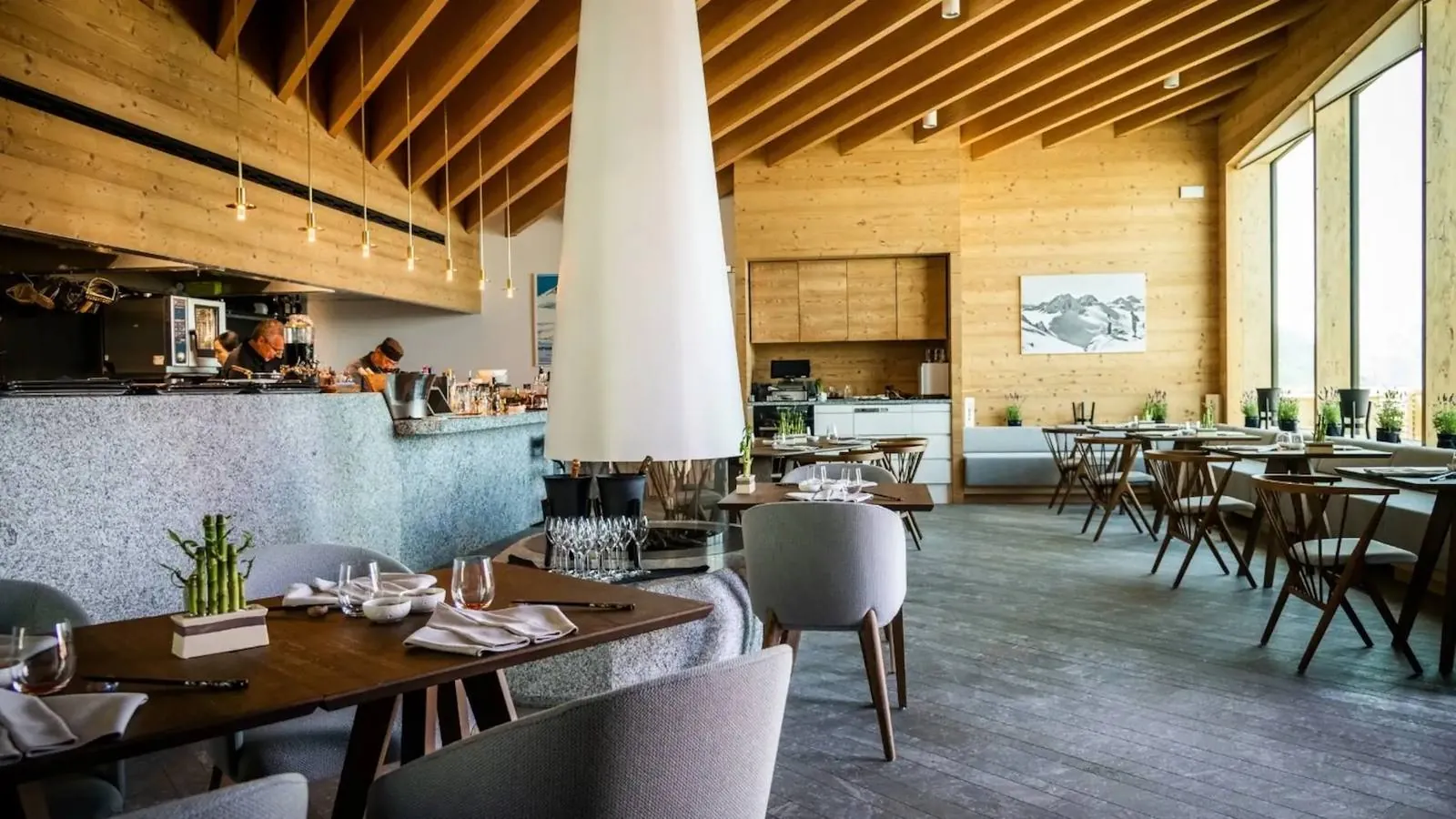
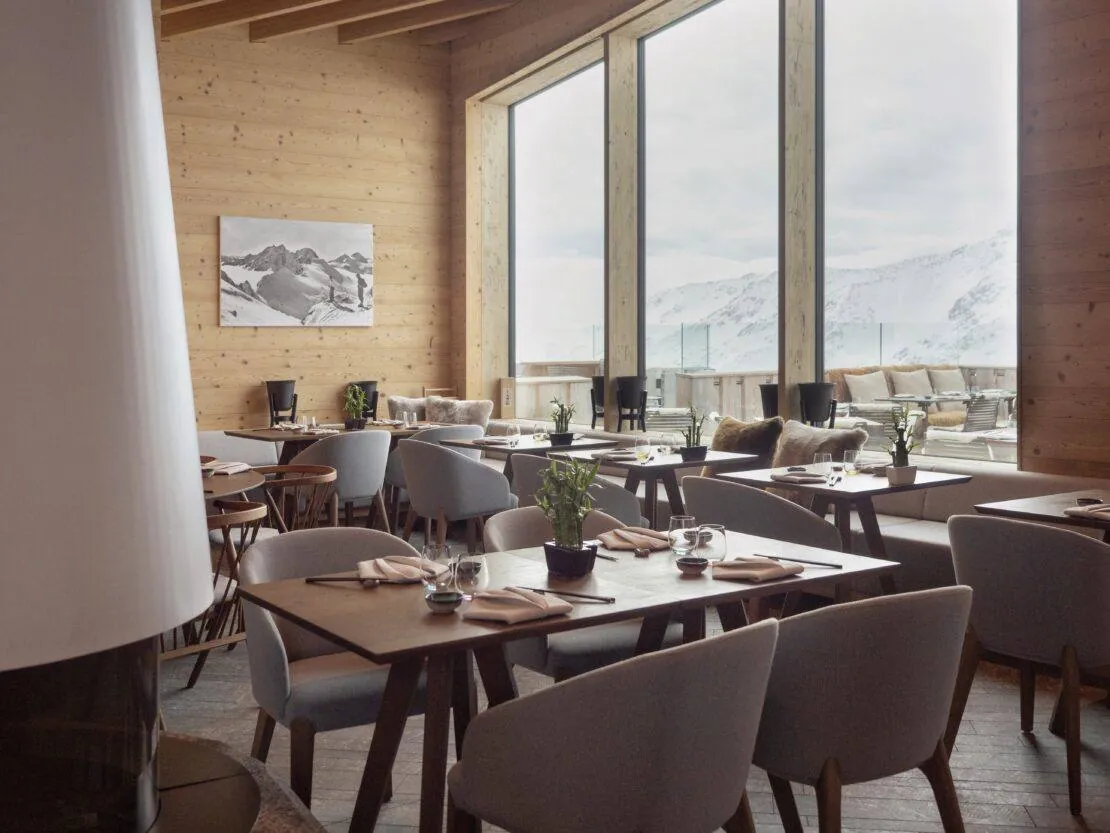
Read together, the two rooms describe a particular kind of consistency. The valley restaurant cooks Japanese fine dining inside a resort hotel; the mountain restaurant repeats the exercise at altitude, at lunch, in a room reached for the views as much as for the food. Both carry stars, and both answer to the same two chefs. That concentration makes the third star easier to understand: the inspectors were not rewarding one room's good year, but a way of working that the brothers run twice, at two heights, under two different sets of pressures.
Below the headline, the guide widened the map. Seven restaurants received a first star, among them Origini in Morbio Inferiore in Ticino, led by Guglielmo Curcio, with further new stars in Bern, Zurich, Lucerne, Zermatt, Gonten and Oberwil. In Ticino, Meta in Lugano kept its star, while La Brezza in Ascona left the starred list. The spread is the pattern of the Swiss guide in miniature: no single city owns it, and the new names are as likely to be in a village as in a capital.
A third star changes a restaurant's economics and its calendar overnight: international bookings follow the grade, and the kitchen cooks under a brighter light from the next service. For Switzerland, five three-star restaurants in a country of its size is a density few nations match. For Andermatt, the promotion completes a longer bet, that a resort village could hold a dining room worth a special journey, which is Michelin's own definition of three stars. On the evidence of the inspectors, the journey is now officially worth it. The promotion also completed a strong week for Swiss dining rooms in the global rankings: Schloss Schauenstein in Furstenau, one of the four existing three-star restaurants, returned to The 50 Best Restaurants list at No. 39 in the same week.
Filed from the Tables desk.
The second Philippine selection grows to 127 establishments, as Helm holds two stars in Makati and every starred restaurant from the first edition keeps its rating.
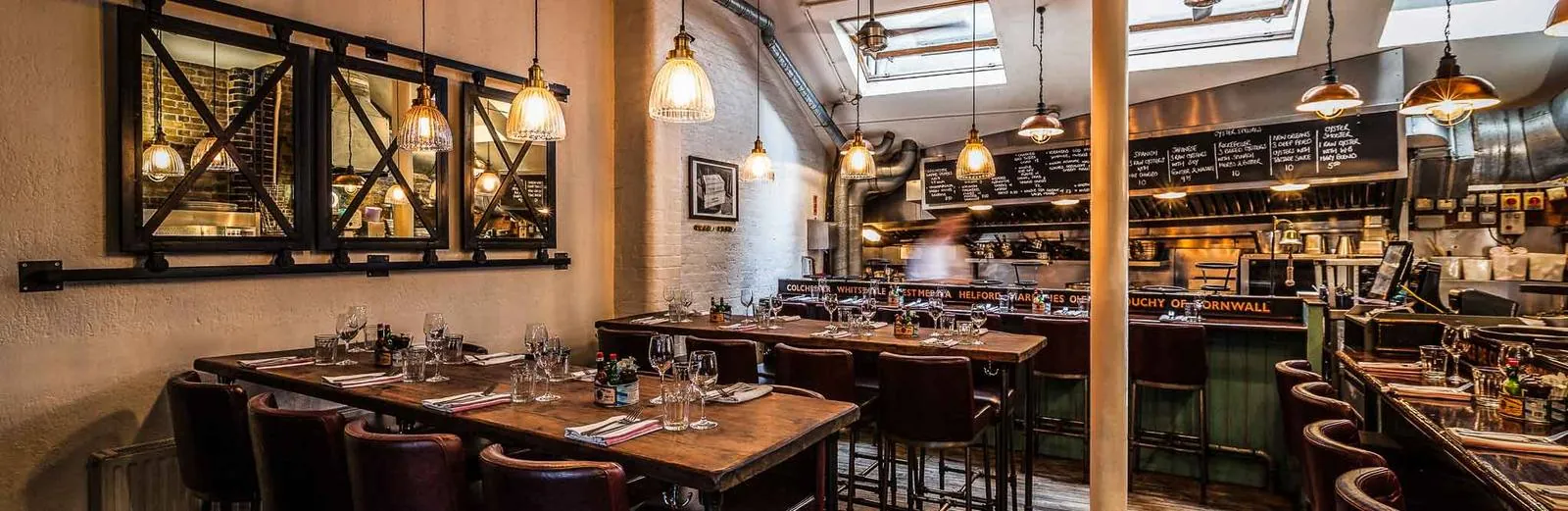
The London seafood group opens at 45 Great Queen Street on November 28, restoring its portfolio to four restaurants on the former Margot site.
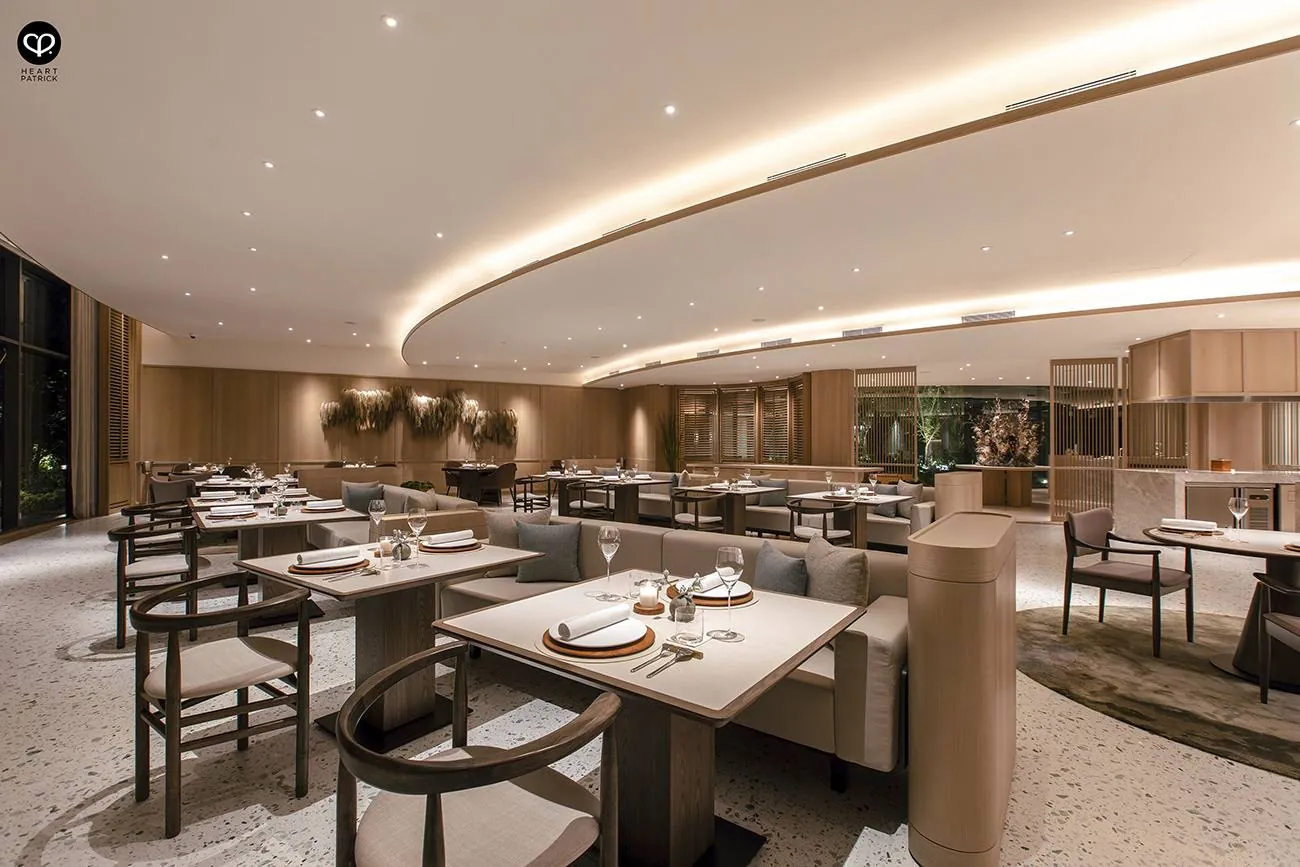
Potager in Bamboo Hills was the sole promotion in the fifth Kuala Lumpur and Penang selection, as Dewakan held two stars among 159 establishments.
The week's essential tables, in your inbox every Sunday.
Free. Unsubscribe anytime. Read our privacy policy.