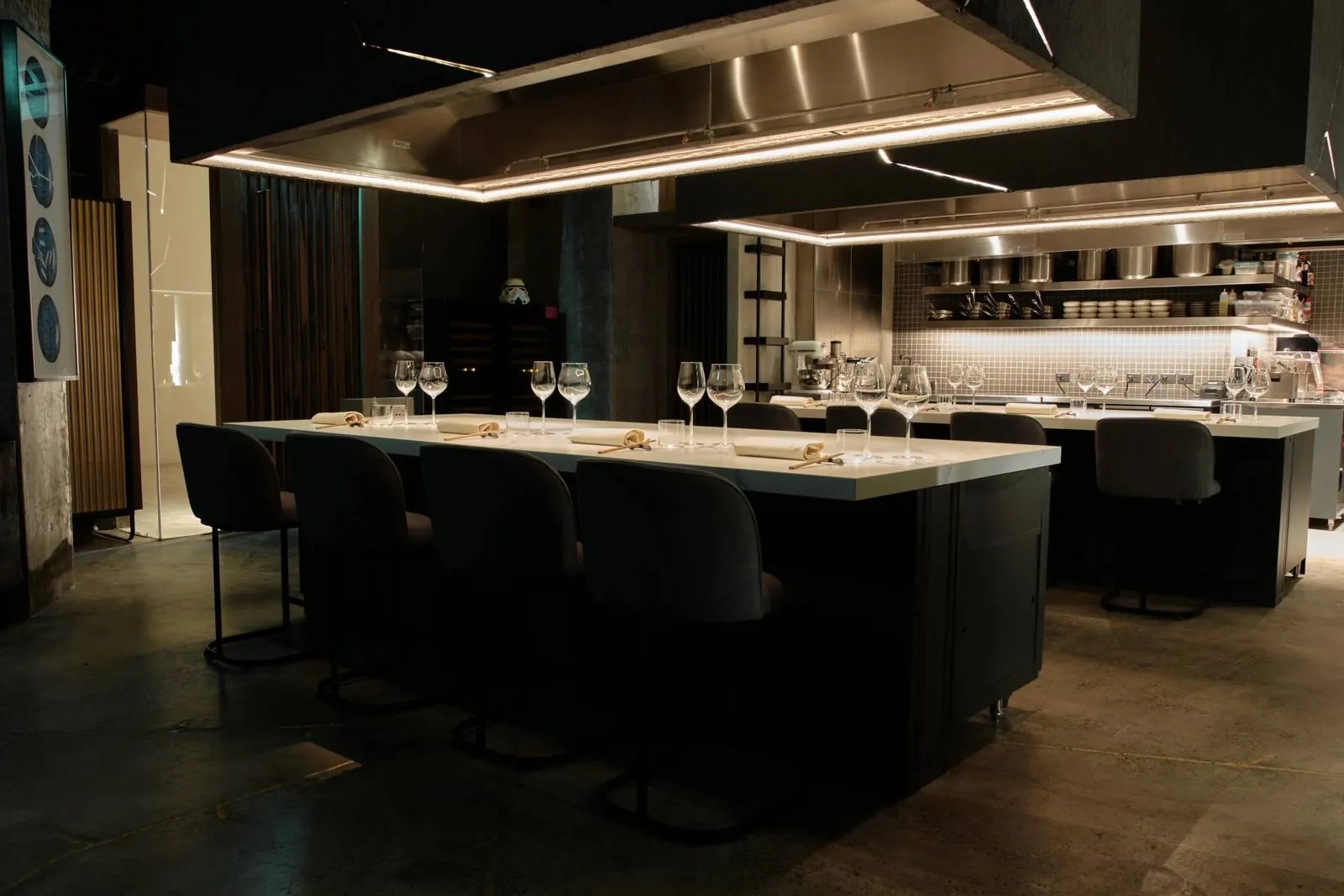
Michelin Manila and Cebu 2027: FLOW Earns the Only New Star
The second Philippine selection grows to 127 establishments, as Helm holds two stars in Makati and every starred restaurant from the first edition keeps its rating.

Noma is back, Alchemist holds a top-five global rank, and the world's most influential food city is playing offense again.
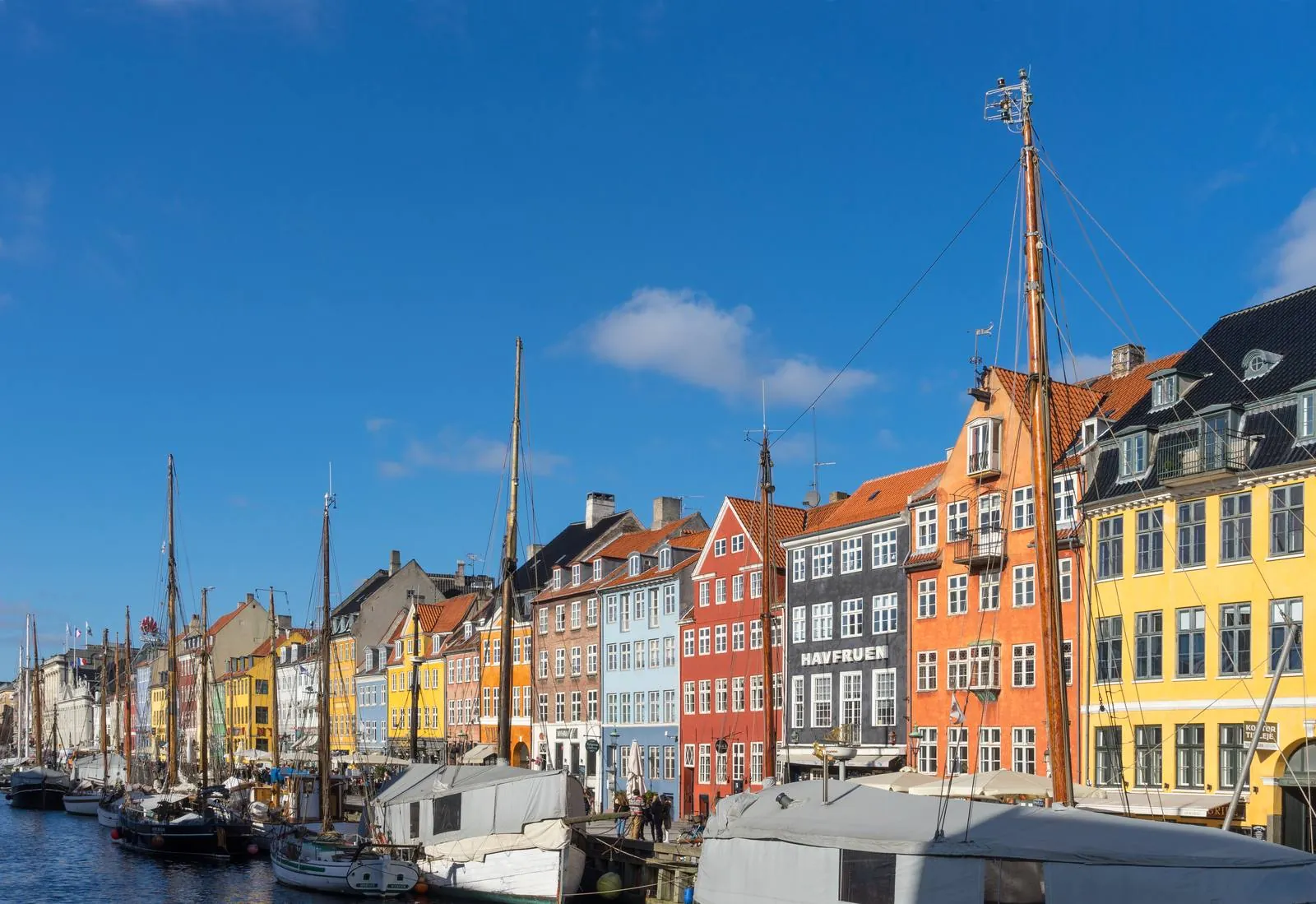
On August 5, 2026, Noma reopened in Copenhagen with Pablo Soto as head chef and Rene Redzepi in a new role. The menu costs DKK 4,500, with wine at DKK 2,000 and juice at DKK 1,500. The restaurant that set the terms of modern fine dining is taking reservations again.
The reopening resets the city's gravity. For more than a decade, Copenhagen dictated the direction of ambitious cooking: fermentation, foraging, the open kitchen, the dining room as workshop. The new Noma inherits that legacy and a building made for it, the Refshaleoen complex designed with the architecture firm BIG, where the kitchen sits at the center of the room.
Noma is not carrying the city alone. Alchemist ranked No. 5 on the 2025 World's 50 Best Restaurants list, and Kadeau ranked No. 41. Two rooms in the global top fifty, in a city of fewer than a million people, is a concentration no other food capital can match.
The depth matters more than the peaks. Copenhagen's influence was never about one restaurant. It was about a method: cook the place, waste nothing, make the room part of the meal. That method now runs through the city's dining rooms at every price level, from the temples to the wine bars.
The headline of the reopening is the personnel. Pablo Soto, a chef with his own following, takes the pass as head chef, with Rene Redzepi moving into a new role. It is a succession plan disguised as a reopening: the institution outlives the founder's daily presence, and the cooking gets a new author.
The room helps. The Refshaleoen complex, built with the architecture firm BIG, was designed around an open kitchen where the diner watches the work. Architecture critics noted the kitchen's centrality when it opened. Years later, the building still looks like the future the rest of the industry is copying.
What makes Copenhagen different is the bench. Kadeau at No. 41 is not a challenger to Alchemist at No. 5. It is proof that the city's second tier would be the first tier anywhere else. The rankings measure peaks. The city's strength is the plateau.
The reopening is also a referendum on the tasting menu itself. Noma returns with the format intact: a set menu, a set price, the kitchen in charge. In a year when other chefs are questioning whether the format has priced out its audience, Copenhagen's answer is to double down. The city's bet is that the tasting menu's problem was never the format. It was the imitators.
That confidence is the story of Copenhagen right now. Not nostalgia for the New Nordic decade, but a second act with new authors, the same discipline, and a dining room built to show the work. The rest of the world will be watching the reservations page.
Other cities have caught up on technique. None has matched Copenhagen's coherence, the sense that the entire dining culture is pulling in the same direction. With Noma back in service and Alchemist holding a top-five global rank, the city is playing offense again. The pilgrimage route is open.
Filed from the Tables desk.
The second Philippine selection grows to 127 establishments, as Helm holds two stars in Makati and every starred restaurant from the first edition keeps its rating.
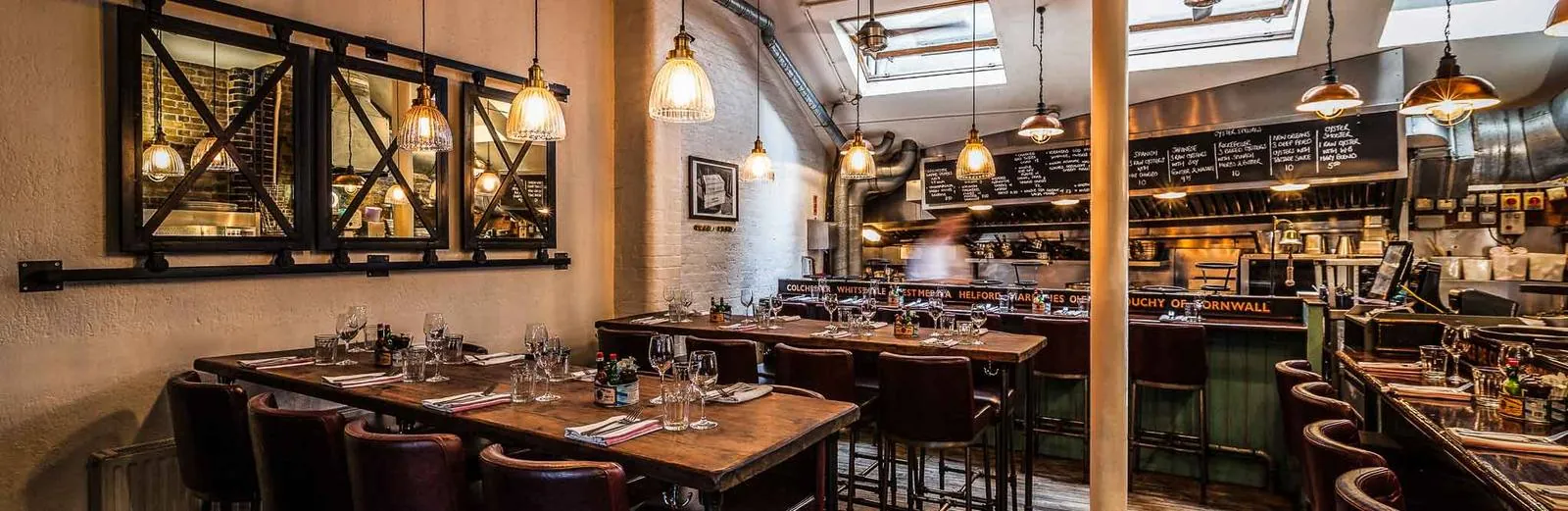
The London seafood group opens at 45 Great Queen Street on November 28, restoring its portfolio to four restaurants on the former Margot site.
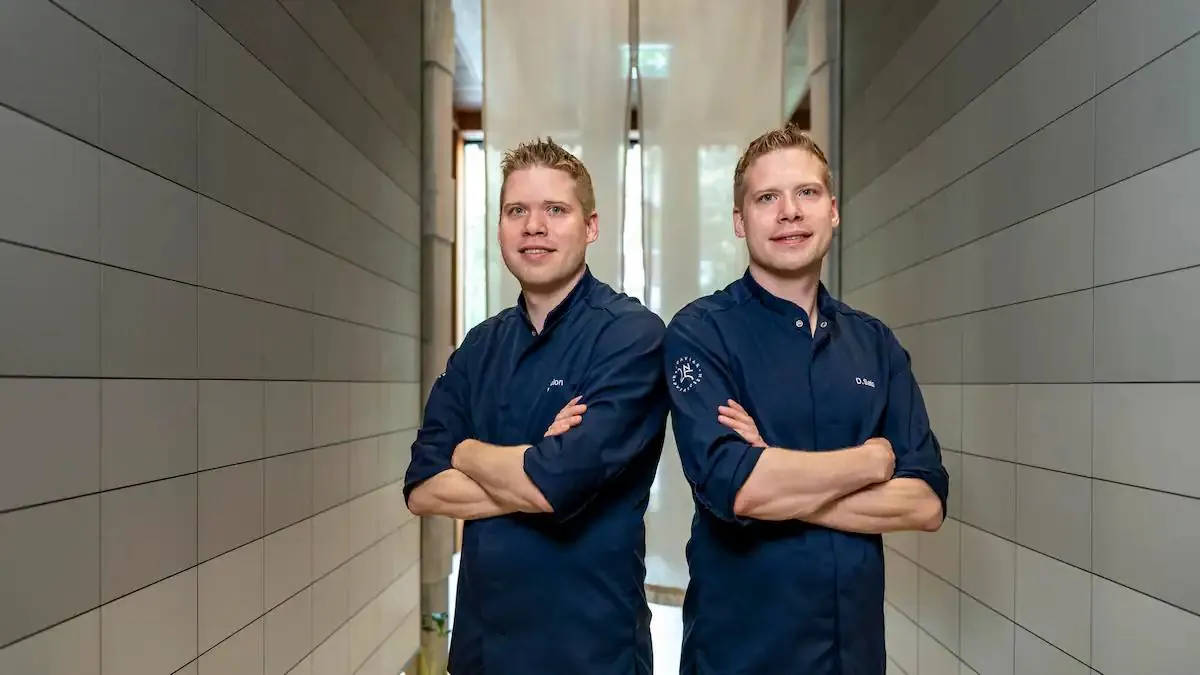
The Japanese Restaurant at The Chedi Andermatt was promoted to three stars, leading a Swiss selection of 133 starred restaurants for 2026.
The week's essential tables, in your inbox every Sunday.
Free. Unsubscribe anytime. Read our privacy policy.