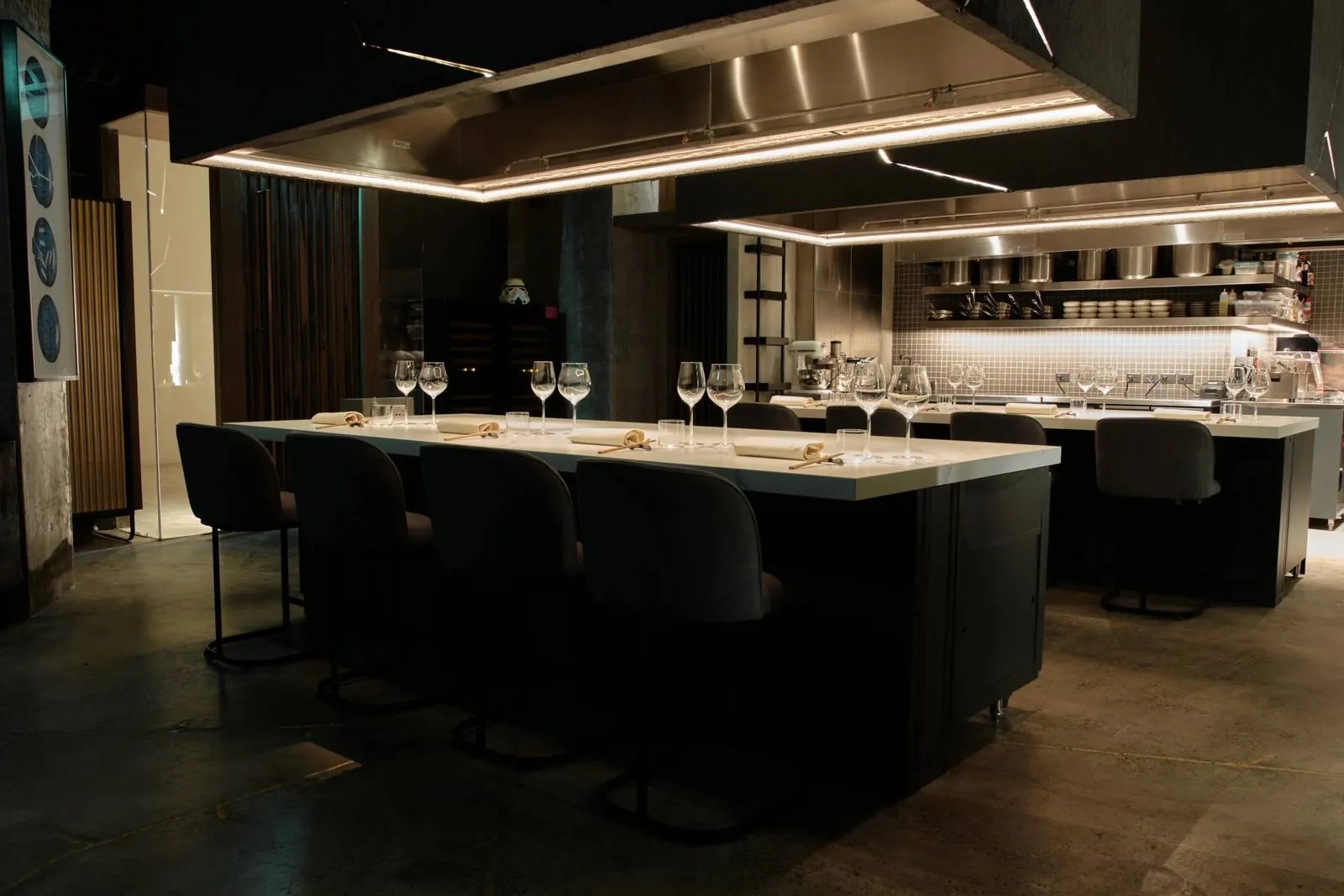
Michelin Manila and Cebu 2027: FLOW Earns the Only New Star
The second Philippine selection grows to 127 establishments, as Helm holds two stars in Makati and every starred restaurant from the first edition keeps its rating.

Three-star temples, legendary asadores, and a city organized around the table: a survey of San Sebastian.
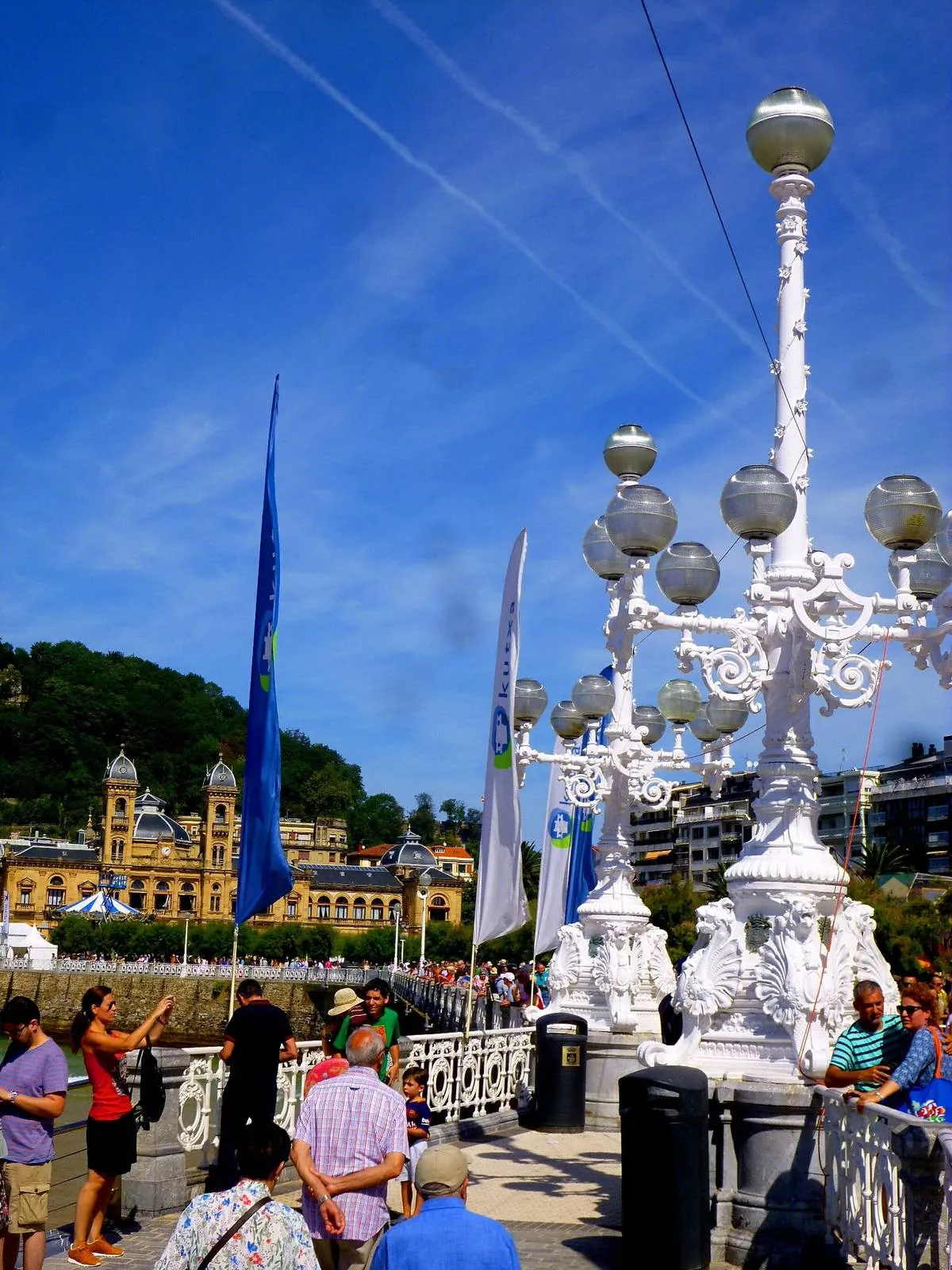
San Sebastian is a small city with an outsized claim on the serious diner's calendar. This is one writer's assessment, but the record supports it: few places on earth concentrate this much cooking into this little geography.
The starred record is the starting point. Arzak, Akelarre, and Martin Berasategui hold three Michelin stars in the area, with Mugaritz and other starred restaurants nearby. Few cities of this size carry that weight, and fewer still pair it with what comes next.
What comes next is the asador. Asador Etxebarri ranked No. 2 and Elkano No. 24 on the 2025 World's 50 Best list. These are grill restaurants, built on fire and product, ranked alongside the tasting-menu temples. That is the city's thesis in miniature. The flame and the fine dining room are equals.
Below the starred level, the old town runs on bars. The structure of a night is a procession: move from counter to counter, eat standing up, argue about the order of things. Grilled fish, tortilla, mushrooms cooked over coals. The cooking is simple and the standards are not.
This is the base of the pyramid, and it is what makes the top possible. A city that eats this well at bar level produces diners who can taste, and diners who can taste keep the temples honest.
The grill is the through line. From the asador's coals to the bar's plancha, the city's cooking trusts fire more than technique, and the product more than the sauce. It is a cuisine of confidence: when the fish is that fresh and the fire is that well understood, there is nothing to hide behind and no reason to try.
The city's system is a pipeline. The bars train the palate, the asadores teach fire, and the temples collect the ambitious. A cook in San Sebastian grows up inside this progression, which is why the city's kitchens share a standard that visitors mistake for a style. It is not a style. It is a baseline.
The visitors complete the circuit. San Sebastian is small enough that the dining tourist and the local eat in the same rooms, at the same counters, often on the same night. A restaurant scene that serves only tourists goes soft. A scene that must satisfy the neighbors stays sharp.
The city's size is the secret. Everything is close: the morning market, the bars, the temples. A diner can eat at a three-star room at noon and stand at a crowded counter at night, and both meals will be taken equally seriously. In San Sebastian, eating is not the entertainment around the trip. It is the trip. And the geography helps: the sea on one side, the hills on the other, and the produce of both landing in the city every morning. A cuisine built on proximity to the source does not need to import excitement. It needs to not get in the way. San Sebastian's lesson for every other food city is embarrassingly simple: take the product seriously, cook it over fire, and let the diner decide the rest.
Filed from the Tables desk.
The second Philippine selection grows to 127 establishments, as Helm holds two stars in Makati and every starred restaurant from the first edition keeps its rating.
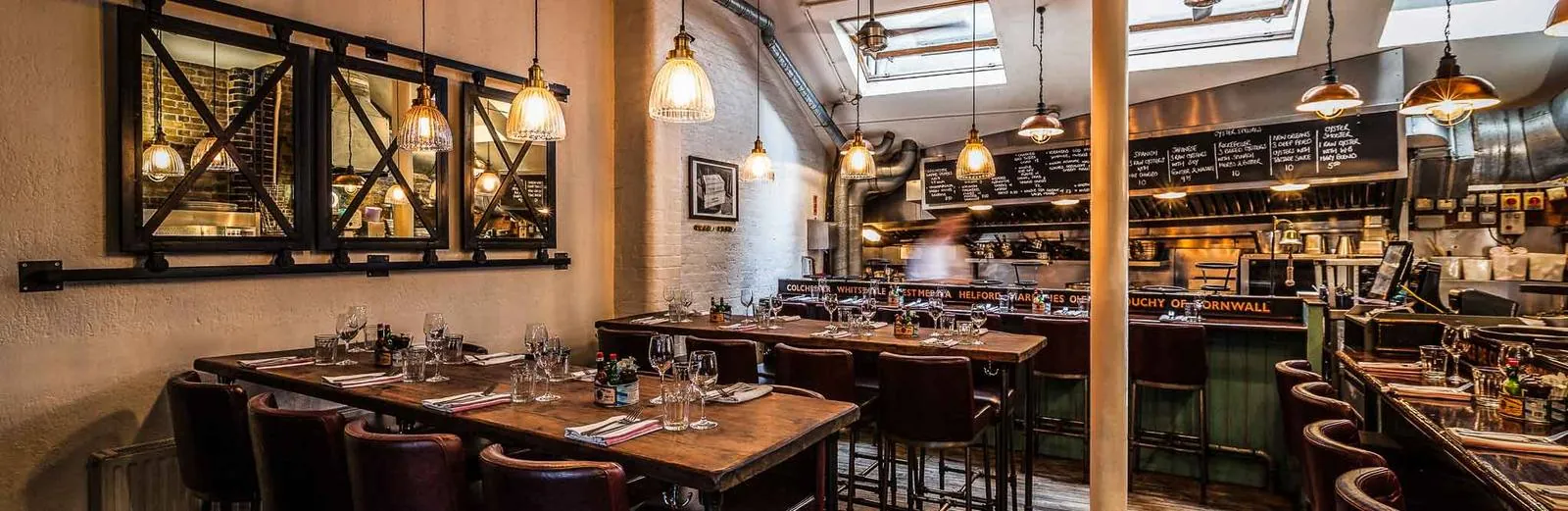
The London seafood group opens at 45 Great Queen Street on November 28, restoring its portfolio to four restaurants on the former Margot site.
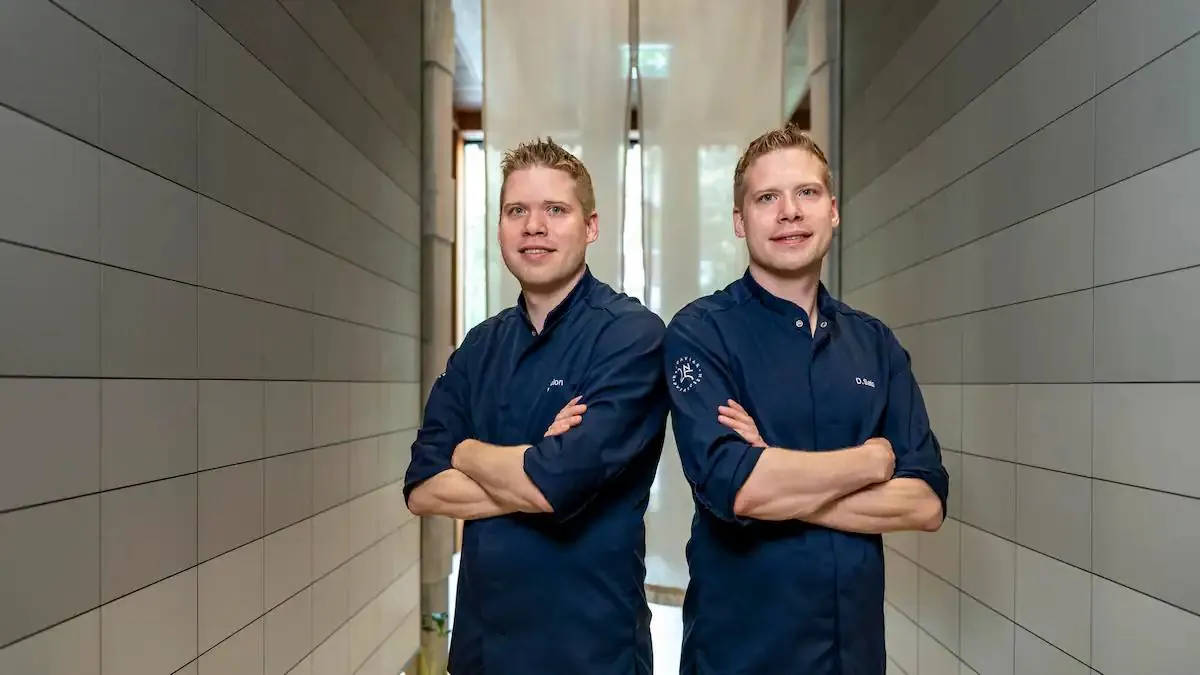
The Japanese Restaurant at The Chedi Andermatt was promoted to three stars, leading a Swiss selection of 133 starred restaurants for 2026.
The week's essential tables, in your inbox every Sunday.
Free. Unsubscribe anytime. Read our privacy policy.