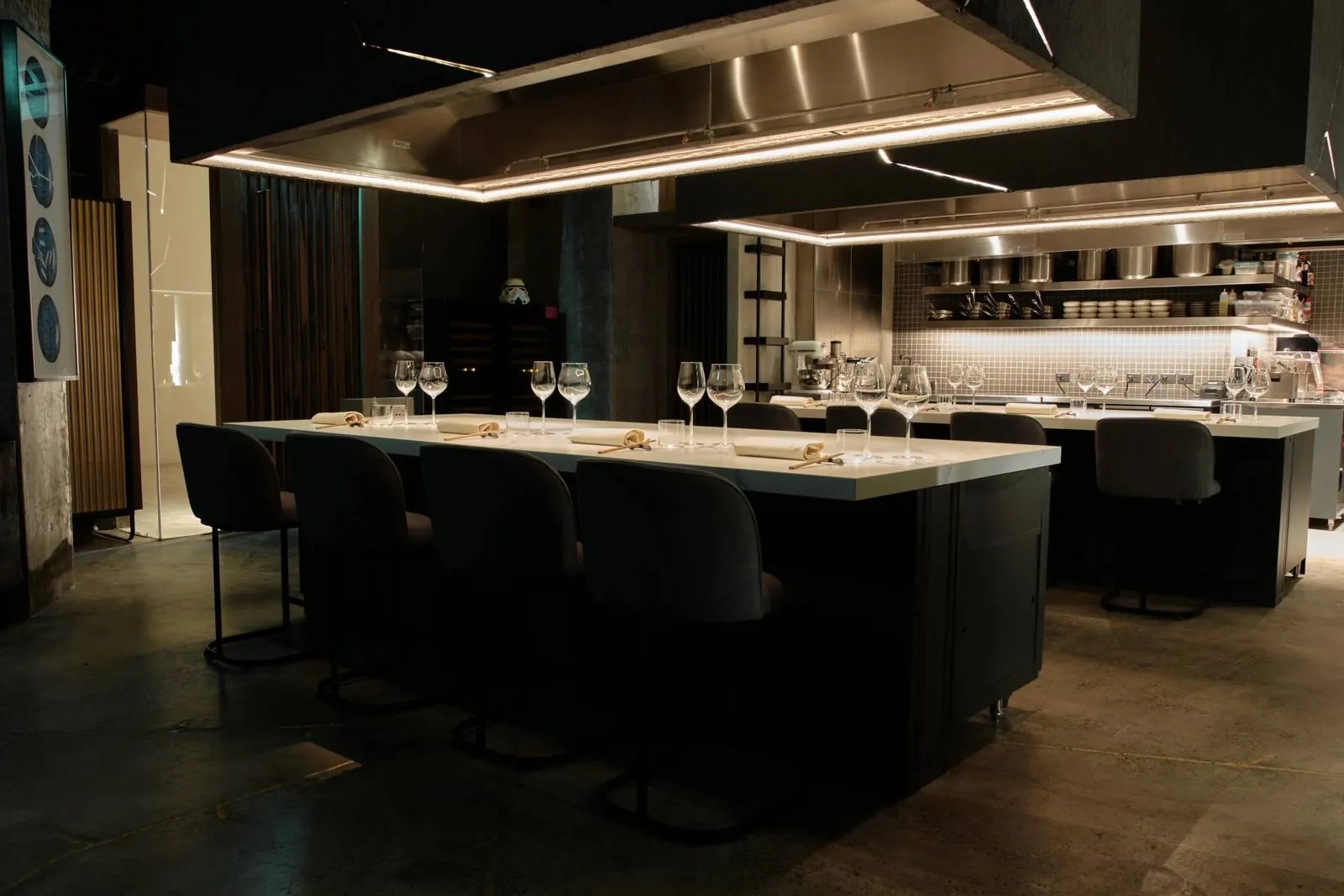
Michelin Manila and Cebu 2027: FLOW Earns the Only New Star
The second Philippine selection grows to 127 establishments, as Helm holds two stars in Makati and every starred restaurant from the first edition keeps its rating.

The second seating is the night's hinge: the moment the dining room resets, and the economics of the evening are decided.
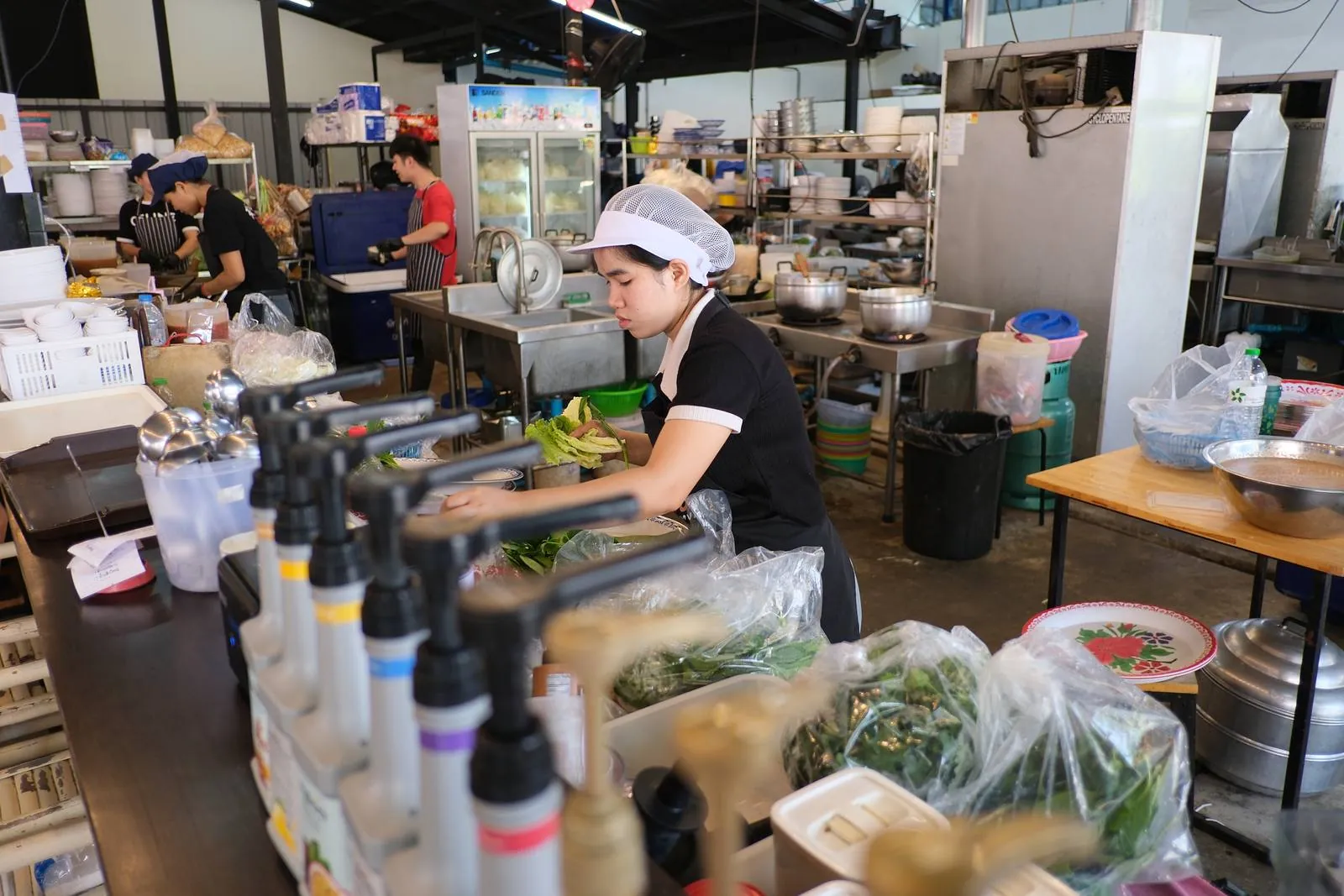
Every restaurant runs on a grid. Reservations are slotted into seatings, each table is given a planned turn time, and when one table runs long the delay cascades down the line. The second seating is where the cascade lands. It is the most operationally honest hour in the dining room.
The mechanics are simple. A table seated at six is expected to leave by eight. The eight o'clock party is already waiting, coats checked, patience thinning. The host's job is to hold the line without rushing anyone, which is harder than it sounds and more important than it looks.
Many restaurants seat only complete parties, and the policy exists for a reason that has nothing to do with hospitality. A missing guest stalls the kitchen's timing and the table's turn. It feels inhospitable. It is operational mercy, extended to every table after yours.
Lateness works the same way. A party that arrives twenty minutes late does not get twenty extra minutes. It gets a compressed meal or a canceled table, because the second seating cannot move. The grid does not negotiate.
Some tables do not want to leave, and the room does not always want them to. But lingering has a cost measured in closing work: the staff resets, cleans, and closes around the last tables. The polite move, when the meal is done and the room is winding down, is to move to the bar.
The bar is the release valve. It keeps the revenue, keeps the guest, and frees the table. Good rooms engineer this migration: dessert and digestifs travel, the dining room resets, and everyone gets what they wanted except the table, which was never theirs to keep.
A dining room that turns each table twice doubles its covers on the same rent, the same kitchen, and nearly the same staff. The second seating is not a courtesy to late bookers. It is the business plan. Lose it to a lingering first seating and the night's revenue is cut nearly in half.
This is why the host watches the clock with one eye and the room with the other. The job is triage: which table can be nudged, which must be protected, which second seating can absorb a ten-minute delay without noticing. The best hosts do it invisibly. The worst do it loudly. Both are doing math.
The grid's enemy is the empty chair. A no-show at first seating does not just lose one table's revenue. It strands the kitchen's timing and wastes the prep already fired. Overbooking is the industry's ugly answer, and the second seating is its insurance: a full late book absorbs the gaps the early book leaves.
Book the second seating if you like a room at full volume, the murmur at its peak and the kitchen at its rhythm. Book the first if you like it calm. Either way, arrive on time and order decisively. And when the plates are cleared and the lights feel brighter, take the hint with grace. The night has a second act, and it is not yours.
Filed from the Tables desk.
The second Philippine selection grows to 127 establishments, as Helm holds two stars in Makati and every starred restaurant from the first edition keeps its rating.
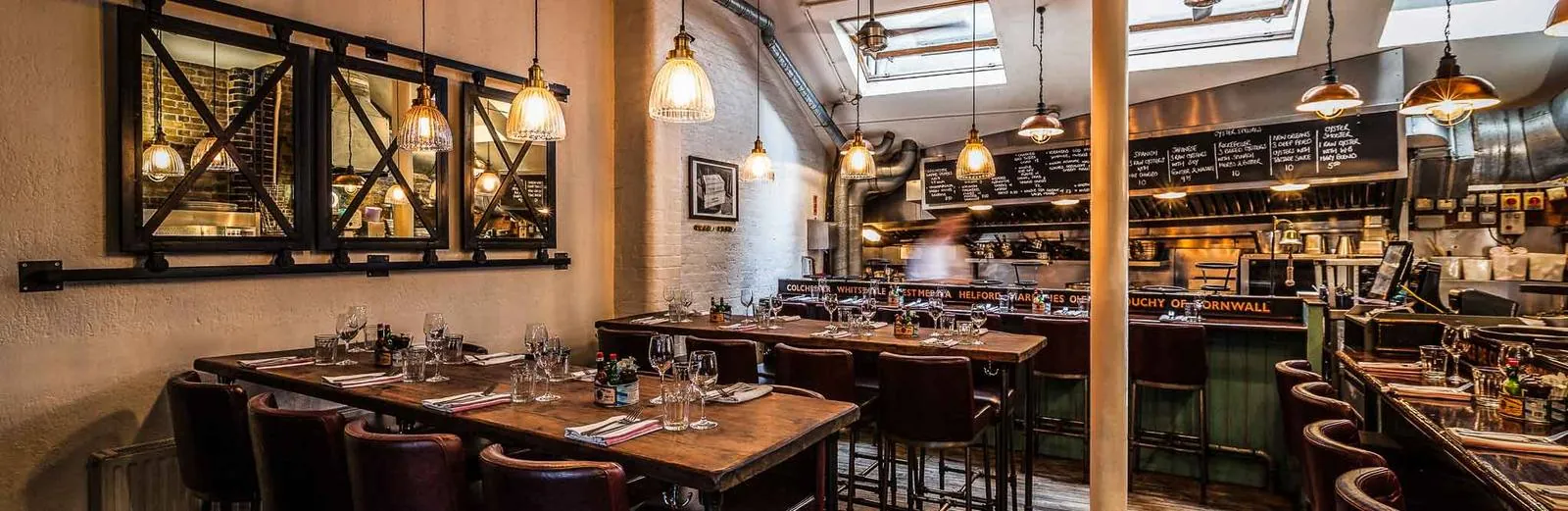
The London seafood group opens at 45 Great Queen Street on November 28, restoring its portfolio to four restaurants on the former Margot site.
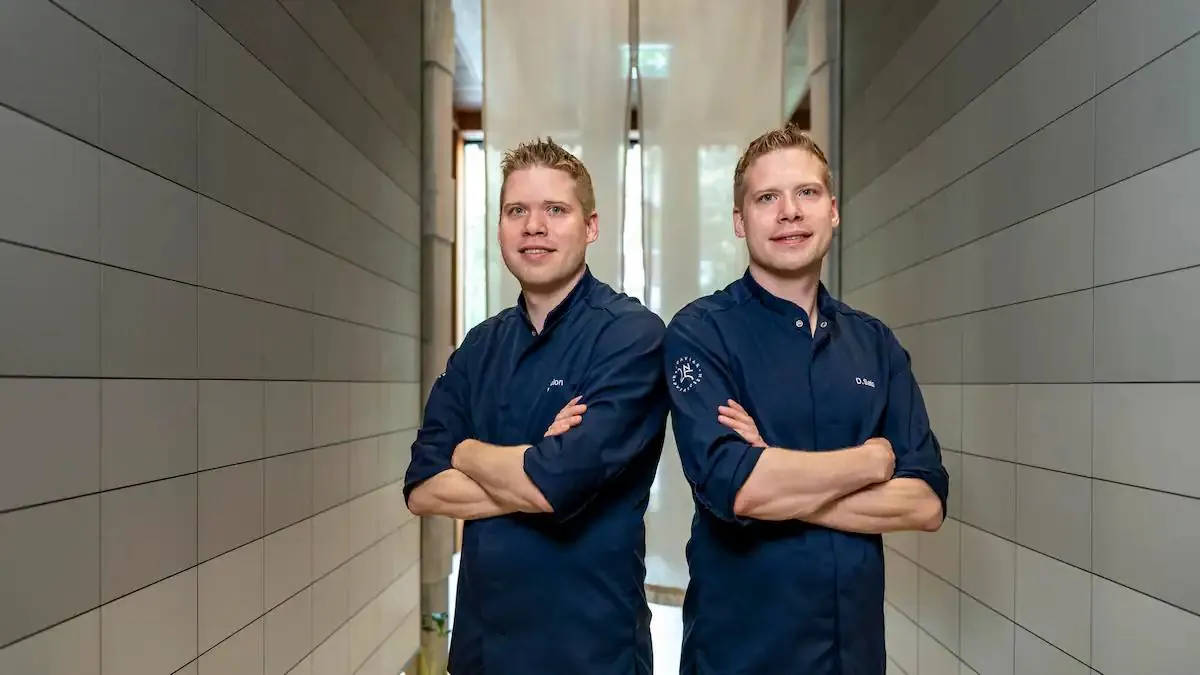
The Japanese Restaurant at The Chedi Andermatt was promoted to three stars, leading a Swiss selection of 133 starred restaurants for 2026.
The week's essential tables, in your inbox every Sunday.
Free. Unsubscribe anytime. Read our privacy policy.