Michelin Manila and Cebu 2027: FLOW Earns the Only New Star
The second Philippine selection grows to 127 establishments, as Helm holds two stars in Makati and every starred restaurant from the first edition keeps its rating.

The tasting menu conquered fine dining. Then the prices, the rigidity, and the clock sparked a revolt.
For two decades, the tasting menu was the answer. The chef chose, the diner surrendered, and the evening ran on rails. OpenTable's 2025 trend reporting found diners increasingly drawn to experiential dining and tasting menus. The format won completely, which is usually when the trouble starts.
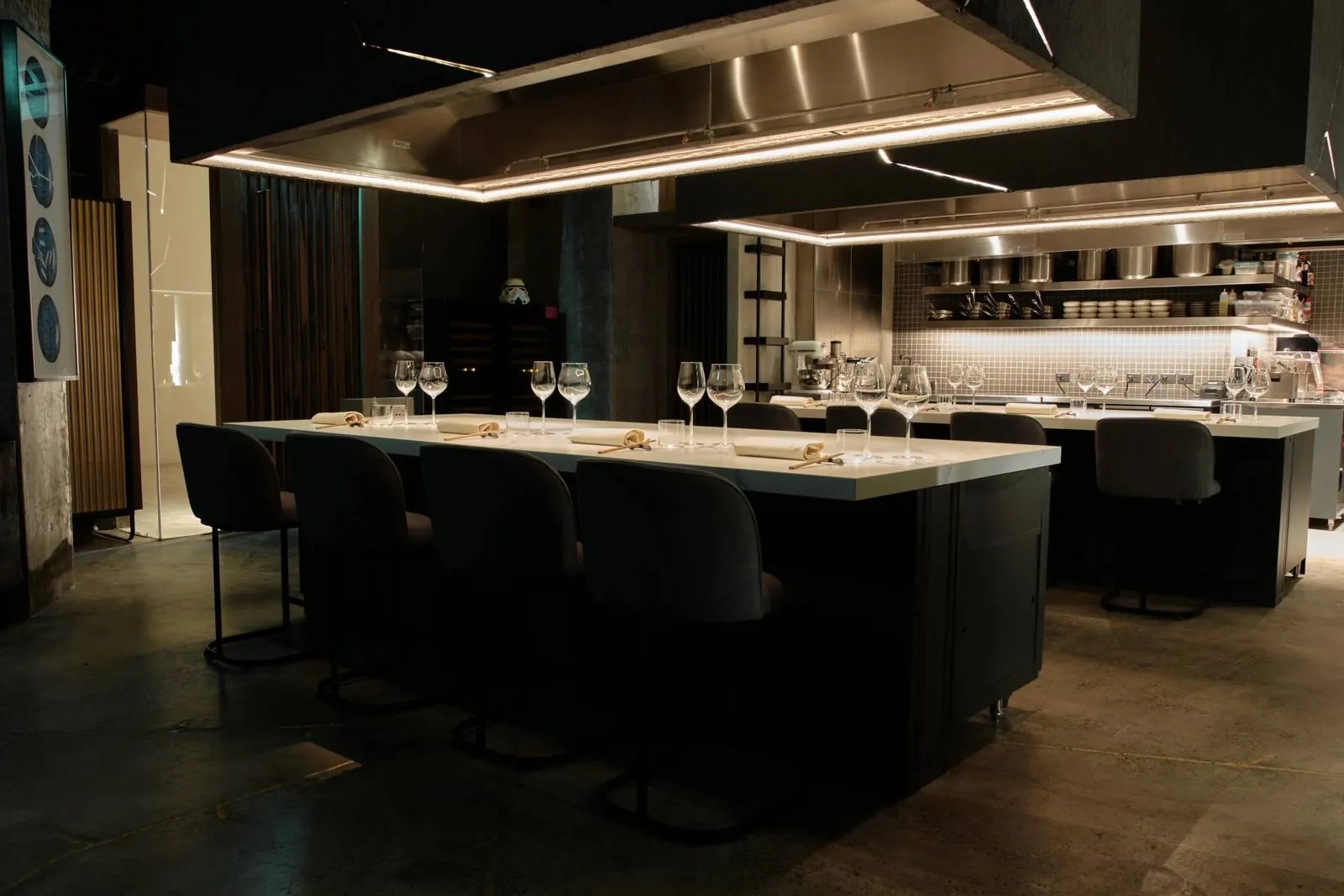
In September 2026, Bruno Verjus announced he would close his Paris restaurant Table on December 22, 2026, objecting to a 480 euro menu that he said excluded too many diners. Table was a 24-seat counter restaurant holding two Michelin stars and ranked No. 8 on the 2025 World's 50 Best list. When a chef closes a room like that over the format, the format is in trouble.
The tasting menu's weaknesses are structural. It is expensive: Noma's reopened menu is DKK 4,500 before pairings. It is rigid: dietary needs become negotiations, timing is fixed, and the evening belongs to the kitchen. It is long, and length is a tax on everyone who is not celebrating something.
Above all, it removed the diner's oldest power: the power to choose. A la carte is a negotiation. The tasting menu is a decree. Diners accepted the decree while the cooking justified it. Verjus's argument is that at 480 euros, for too many people, it no longer does.
The smartest rooms are already hedging. The tasting menu remains for the believers; a shorter menu, or a full a la carte, serves everyone else. The two formats can share a kitchen the way lunch and dinner share a brigade. The dogma was never operational. It was philosophical.
OpenTable's trend data suggests the appetite for the tasting menu is still growing, which complicates the revolt narrative. Both things are true: more diners want the experience, and more diners resent the terms. The market is splitting, not collapsing. The winners will be the rooms that let the table choose its own adventure.
For the diner, the practical advice is simple. When the occasion calls for surrender, book the tasting menu and commit to the evening. When it calls for dinner, book a la carte and keep your options. The reversal is good news disguised as an argument: the choice, after twenty years of the decree, is yours again. Twenty years of the decree taught diners what a kitchen can do at full stretch. The next twenty will teach kitchens what diners actually want. Bet on the diners.
A la carte is the diner's format. Order two courses or five. Spend little or much. Arrive hungry or merely curious. The room adapts to the guest instead of the reverse, and the evening can be whatever the table needs it to be.
The reversal is not a rout. Noma reopened with a tasting menu, not without one, and the best rooms will keep the format because it remains the best way to show a kitchen's thinking. But the monopoly is over. The great rooms of the next decade will offer both, and let the diner decide.
Filed from the Tables desk.
The second Philippine selection grows to 127 establishments, as Helm holds two stars in Makati and every starred restaurant from the first edition keeps its rating.
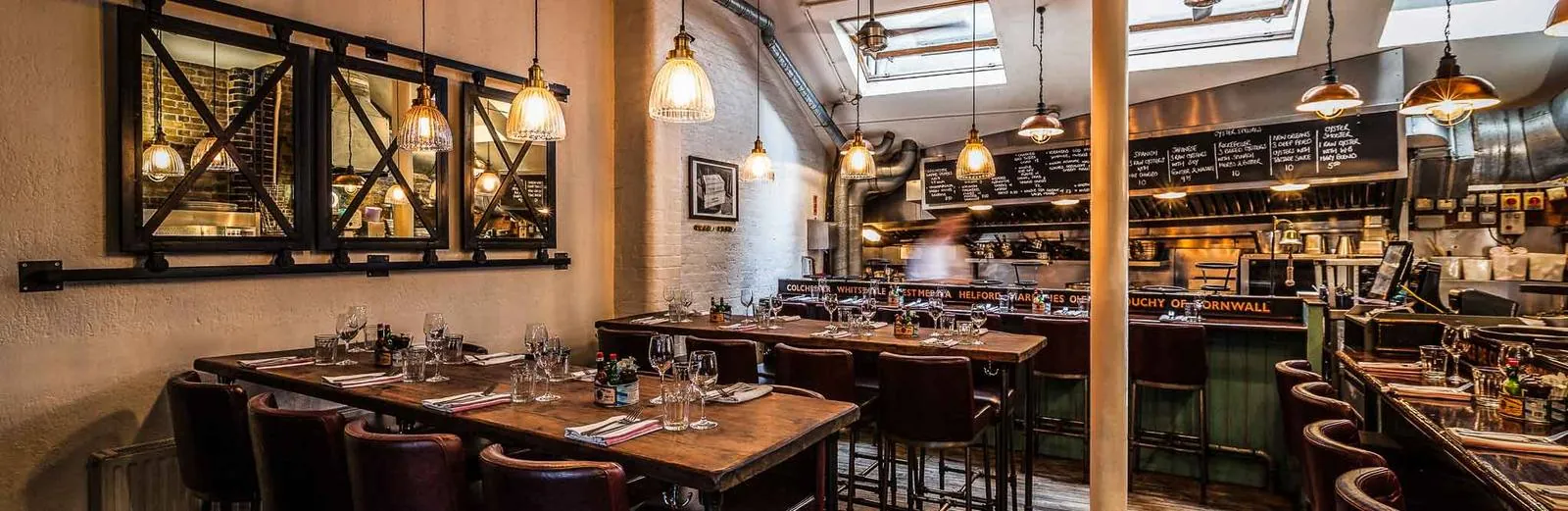
The London seafood group opens at 45 Great Queen Street on November 28, restoring its portfolio to four restaurants on the former Margot site.
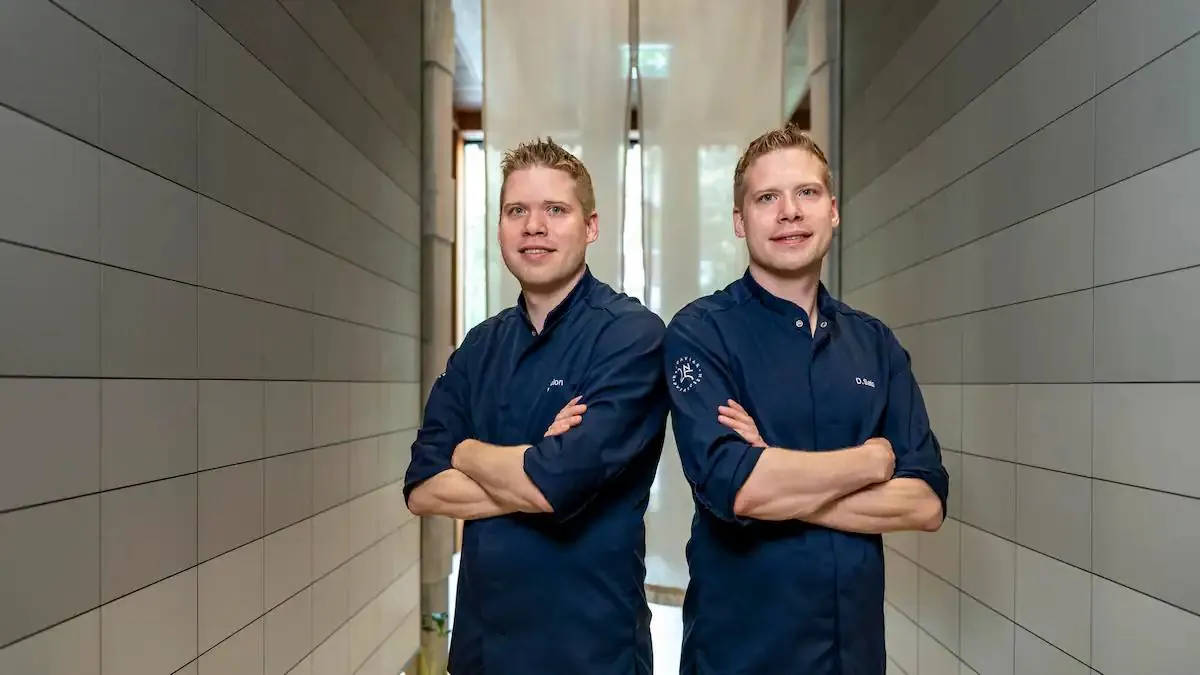
The Japanese Restaurant at The Chedi Andermatt was promoted to three stars, leading a Swiss selection of 133 starred restaurants for 2026.
The week's essential tables, in your inbox every Sunday.
Free. Unsubscribe anytime. Read our privacy policy.