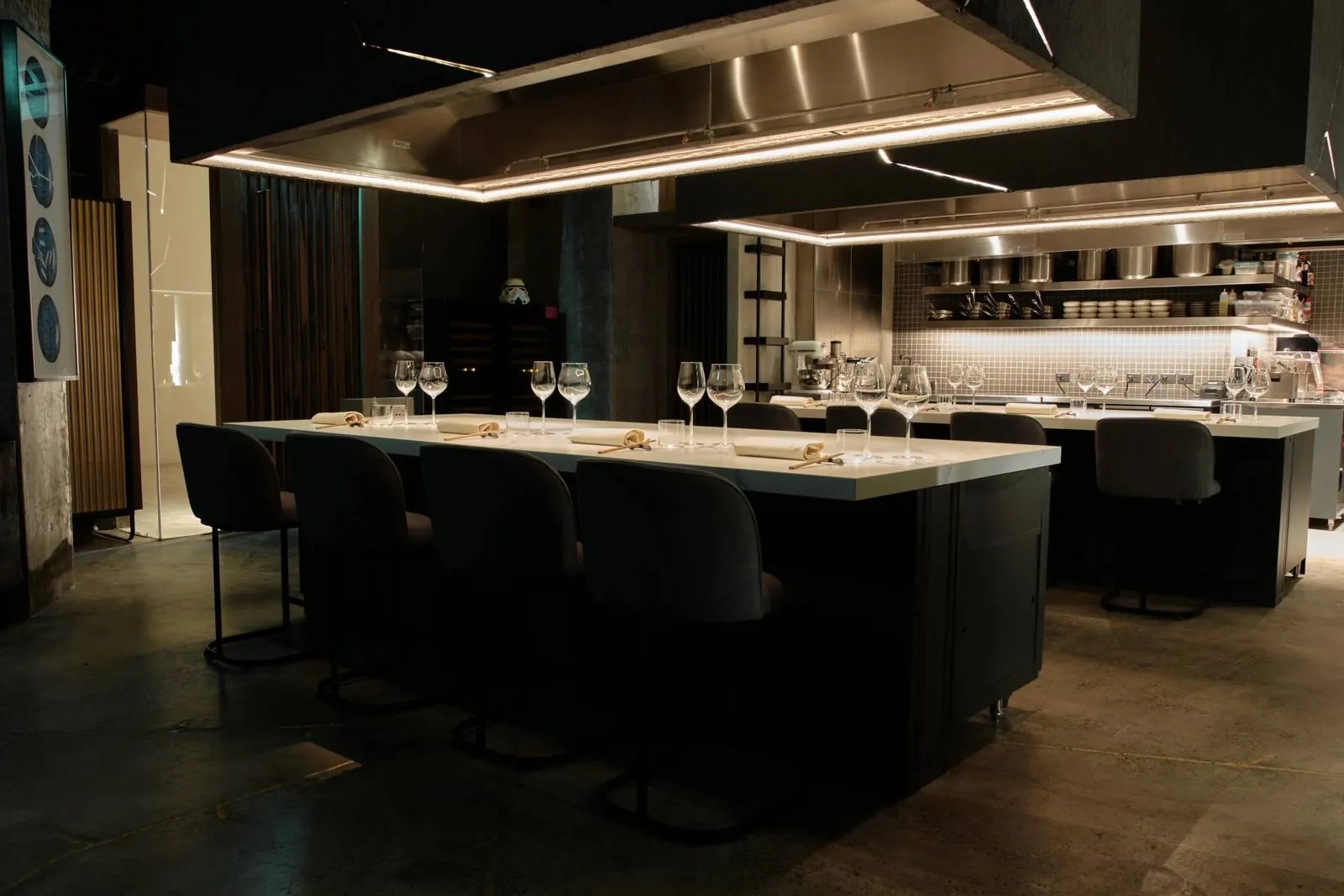
Michelin Manila and Cebu 2027: FLOW Earns the Only New Star
The second Philippine selection grows to 127 establishments, as Helm holds two stars in Makati and every starred restaurant from the first edition keeps its rating.

A top-tier tasting menu now runs $500 and well beyond. Here is where the money goes, line by line, from published prices.
The $500 tasting menu is no longer the ceiling. It is the entry ticket. Noma's reopened dining room charges DKK 4,500 for the menu. Masa asks $750 for the dining room omakase and $950 for the Hinoki Counter Experience. Alchemist's tasting menu was listed at DKK 4,900. These are the published numbers, before anything else is added.
Because something is always added. At Noma, the wine pairing is DKK 2,000 and the juice pairing is DKK 1,500. At Alchemist, pairings ran from DKK 1,800 to DKK 8,500. The pairing is often a second menu, priced like one. A table that orders the top pairing can spend more on drink than on food.
What the kitchen buys is the first line. Tasting menus run on luxury raw materials: caviar, truffles, bluefin, wagyu, and produce bought at a standard no home cook could justify. A dozen or more courses multiply every portion into a small fortune in ingredients before a single plate is composed.
Then the labor. A tasting menu kitchen keeps a brigade that a short-menu bistro cannot justify. Prep for a long menu starts early and ends late, and every plate is built by hand, in sequence, for a room of a few dozen guests. The ratio of cooks to diners is the point. You are paying for the hands as much as the harvest.
Wine programs at this level are curated libraries, and the markup funds the cellar, the sommelier team, and the glassware. Juice pairings cost what they do because they are made, not poured: fermentations and infusions prepared in the kitchen over days. Whether the pairing is worth it is the diner's oldest argument. That it is priced as a second menu is simply arithmetic.
The dining room seats few and turns rarely, and the rent in Copenhagen, New York, or Paris does not care how many covers you do. The math of a tasting menu only works at full occupancy, which is why the best rooms sell out and the rest discount. Scarcity is not a marketing choice. It is the business model.
These rooms are not expensive because they are empty. They are expensive because they are full. Alchemist ranked No. 5 on the 2025 World's 50 Best list. Noma's return was international news. When demand outruns a dining room of a few dozen seats, the price is the rationing mechanism.
The tasting menu is also the most costable product in the restaurant business. The kitchen knows exactly what it will cook, in what quantity, for how many guests. Waste falls, prep tightens, and the margin lives in the add-ons: the pairing, the water, the coffee, the cheese course that is never included. The menu price is engineered. The final bill is where the profit hides.
Masa's published prices exclude tax, tip, and drinks. Read the fine print of any of these menus and the pattern holds. The menu price is the first line of the bill, not the last. Do the arithmetic on the published numbers and a $500 menu leaves the building at $700 or more once pairings, tax, and service are added. Itemized, the tasting menu is not expensive for what it is. It is expensive for what it becomes.
Filed from the Tables desk.
The second Philippine selection grows to 127 establishments, as Helm holds two stars in Makati and every starred restaurant from the first edition keeps its rating.
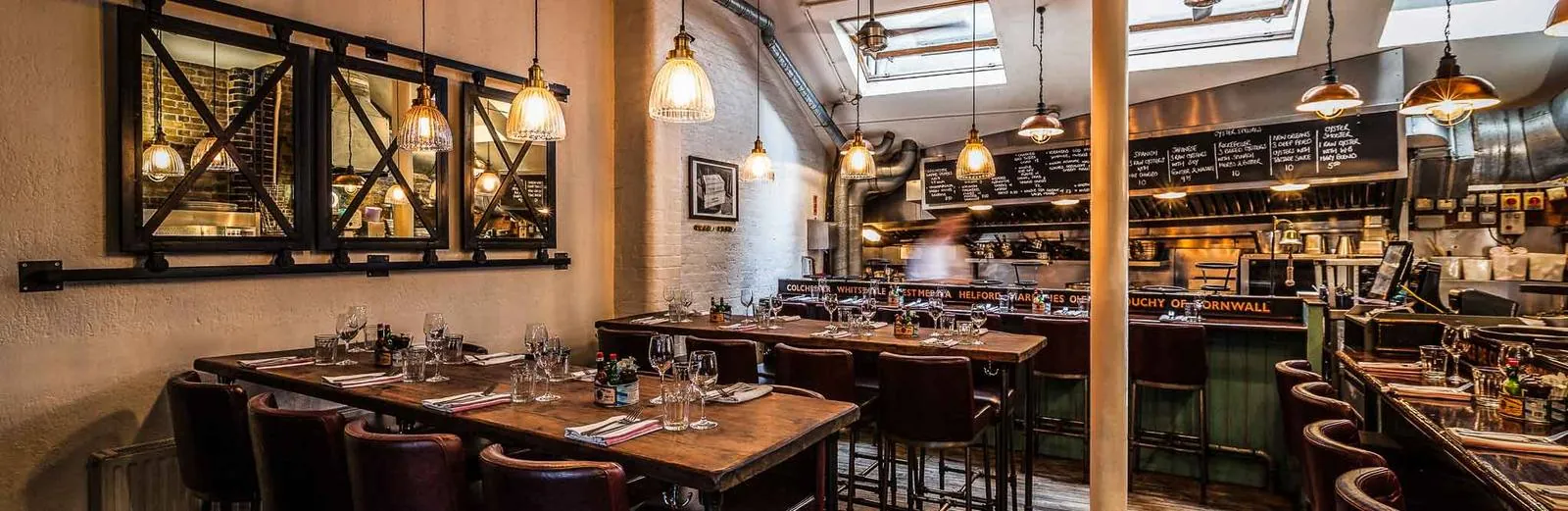
The London seafood group opens at 45 Great Queen Street on November 28, restoring its portfolio to four restaurants on the former Margot site.
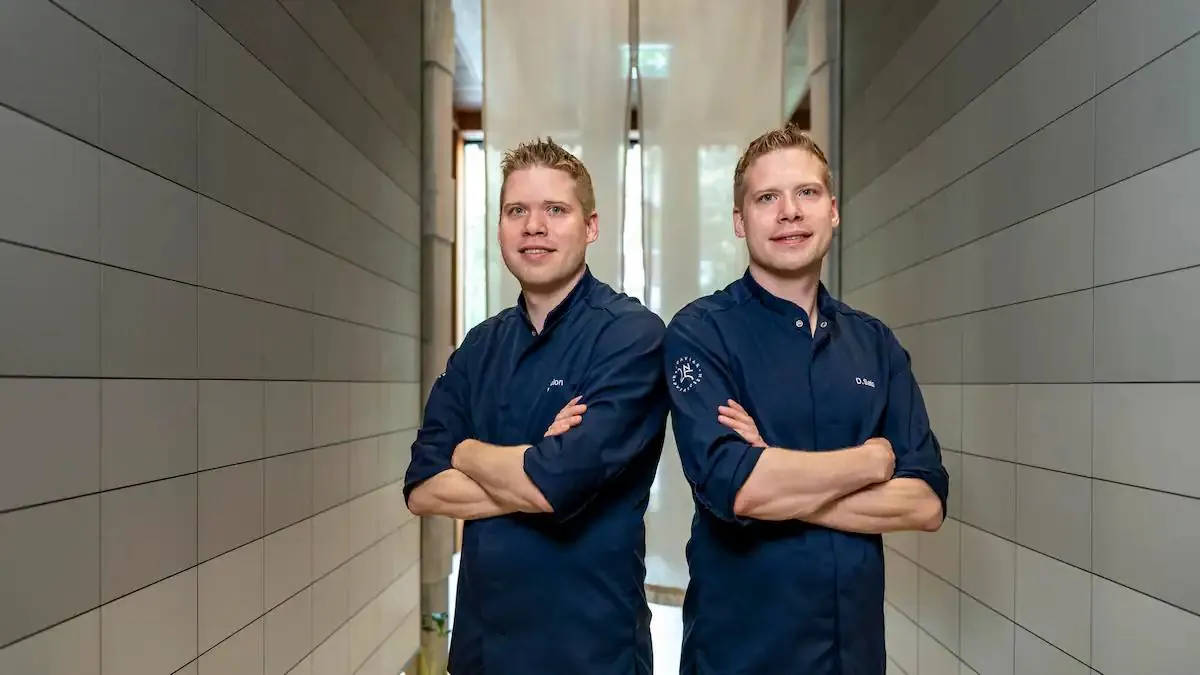
The Japanese Restaurant at The Chedi Andermatt was promoted to three stars, leading a Swiss selection of 133 starred restaurants for 2026.
The week's essential tables, in your inbox every Sunday.
Free. Unsubscribe anytime. Read our privacy policy.