Michelin Manila and Cebu 2027: FLOW Earns the Only New Star
The second Philippine selection grows to 127 establishments, as Helm holds two stars in Makati and every starred restaurant from the first edition keeps its rating.

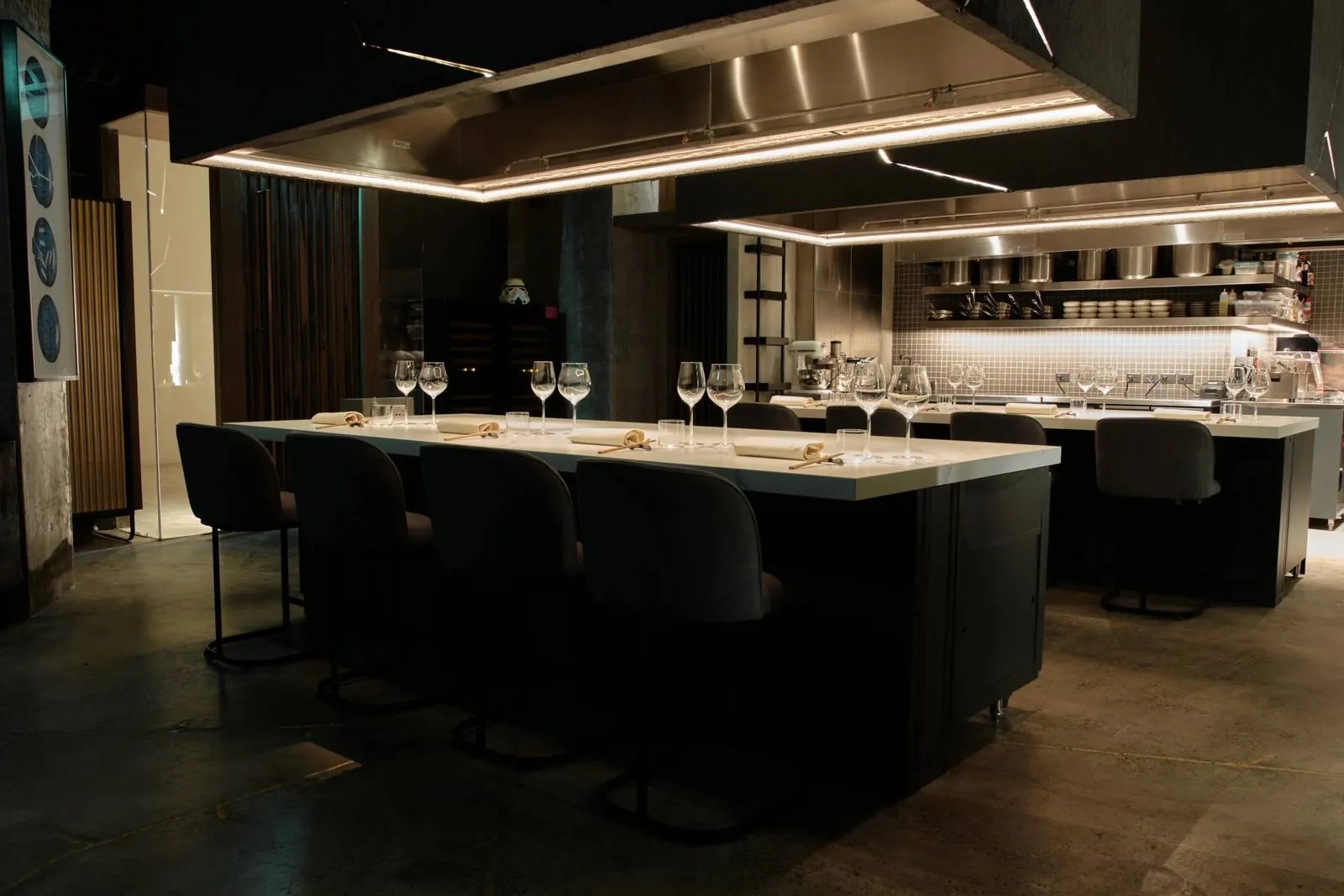
The most coveted seats in dining are no longer tables. They are a line of stools facing the chef.
The white tablecloth was the symbol of serious dining for a century. Its replacement is a slab of wood with a line of stools. The counter has become the prestige format: the seat closest to the work, with nothing between the diner and the kitchen.
The numbers tell the story. At Masa in New York, the dining room omakase was reported at $750. The Hinoki Counter Experience was $950, both excluding tax, tip, and drinks. The counter costs more than the table. Proximity is the luxury good.
In Washington, D.C., Kiyomi opened in 2026 as a 16-seat, counter-only restaurant with published lunch and dinner formats. In Portland, Sushi Fukami opened as an eight-seat omakase at $195. The format scales from the temple to the neighborhood without losing its logic.
In Paris, Table by Bruno Verjus was reported as a 24-seat counter restaurant holding two Michelin stars and ranked No. 8 on the 2025 World's 50 Best list. The counter is no longer a Japanese import. It is the European dining room, rebuilt around a single line of stools.
The counter's appeal is partly voyeurism. The diner watches the knife work, the seasoning, the decisions, and the meal becomes a performance with no stage. The white tablecloth hid the kitchen behind a door. The counter puts it on display, and the display is the point.
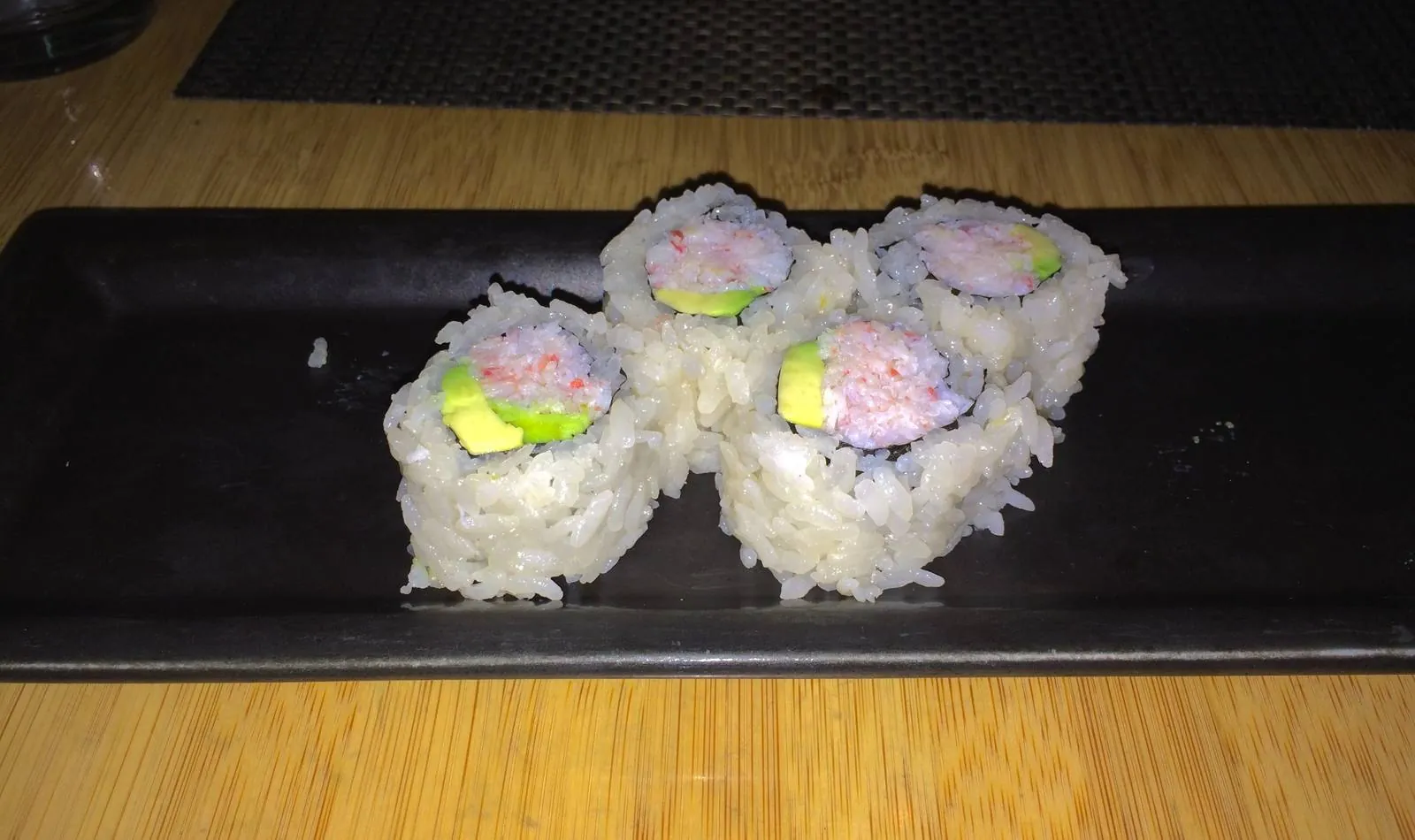
The format began at the sushi counter, where it was a practical necessity: raw fish must travel from hand to mouth in seconds. What the world's dining rooms discovered is that the necessity was also the ideal. Every cuisine benefits from the shortest distance between the fire and the guest.
Masa's pricing is the tell. The counter experience costs $200 more than the dining room, for the same fish, because the seat is the product. Scarcity does the rest: eight seats at Sushi Fukami, sixteen at Kiyomi, twenty-four at Table. The counter cannot be scaled, which is exactly why it can be priced.
The counter is also the best seat for the solo diner, and the solo diner is the industry's fastest-growing table. A stool at the counter carries none of the awkwardness of a table for one. The chef is company, the work is entertainment, and nobody is performing dining alone. Rooms that understand this are building their future regulars one stool at a time.
The counter removes the theater of service and keeps the craft. No captain, no crumber, no distance. The chef plates, the diner receives, and the conversation is part of the meal. It is the most direct transaction in dining: skill, handed over.
It is also efficient. Fewer servers, tighter turns, a room a small team can run. In an era of thin margins and thinner staffing, the counter is the format that makes the math work while charging the most. The white tablecloth is not dead. But the rooms that matter most are increasingly built around stools, not tables.
Filed from the Tables desk.
The second Philippine selection grows to 127 establishments, as Helm holds two stars in Makati and every starred restaurant from the first edition keeps its rating.
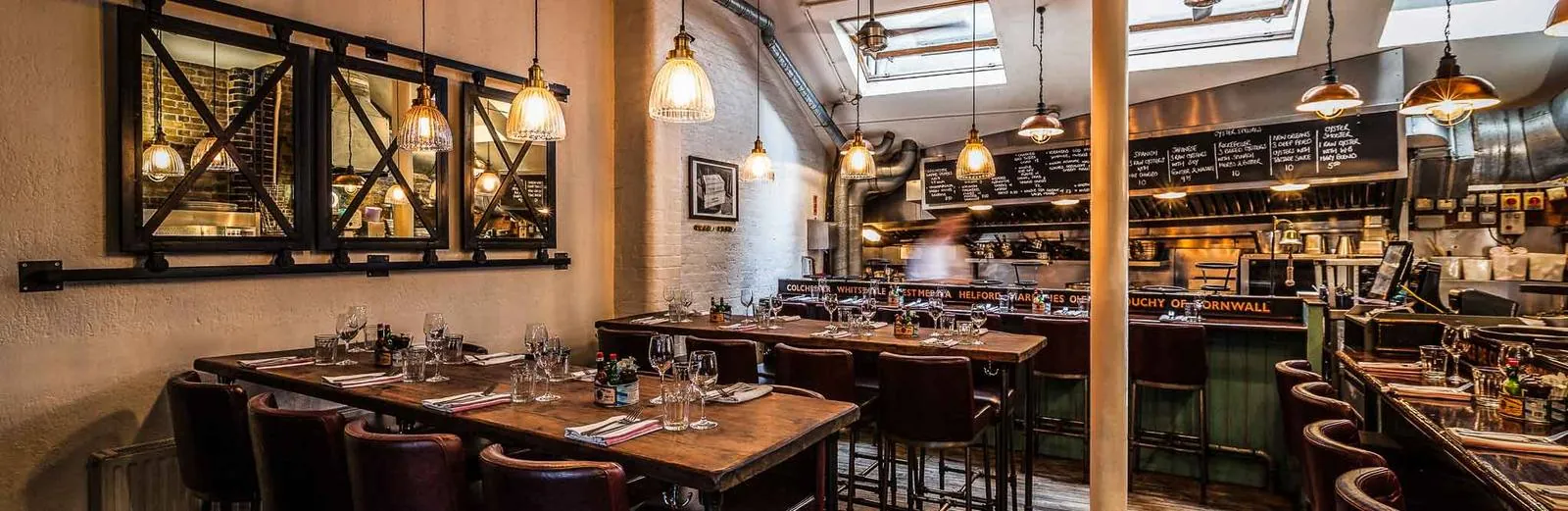
The London seafood group opens at 45 Great Queen Street on November 28, restoring its portfolio to four restaurants on the former Margot site.
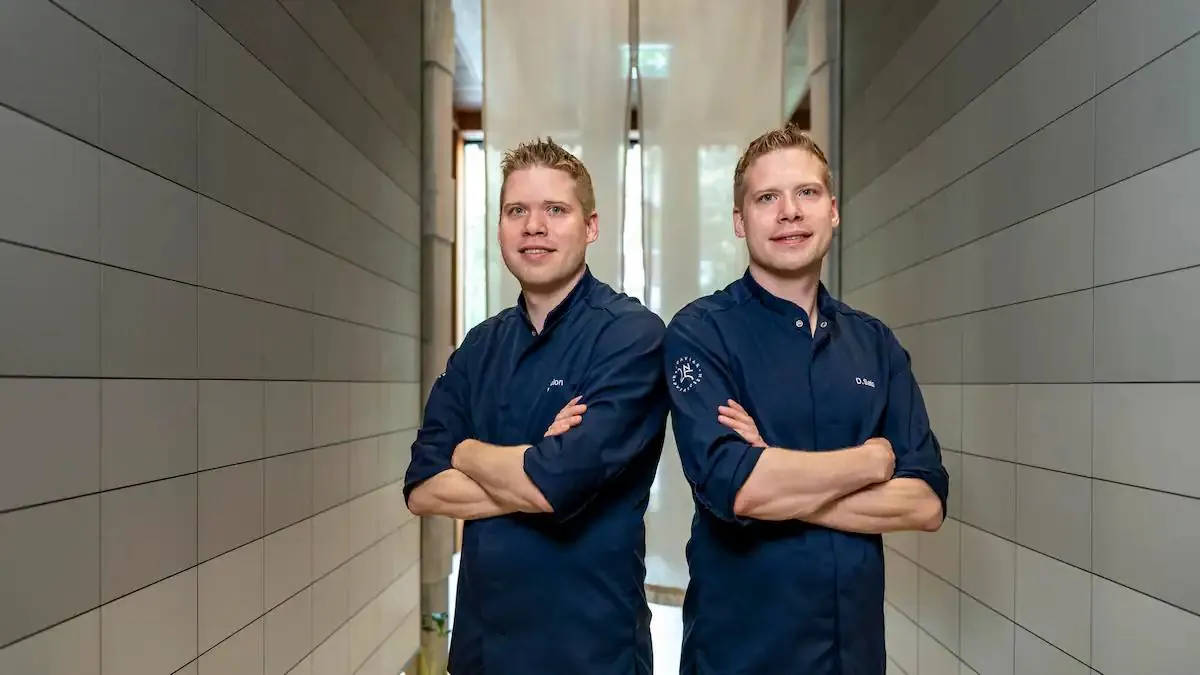
The Japanese Restaurant at The Chedi Andermatt was promoted to three stars, leading a Swiss selection of 133 starred restaurants for 2026.
The week's essential tables, in your inbox every Sunday.
Free. Unsubscribe anytime. Read our privacy policy.