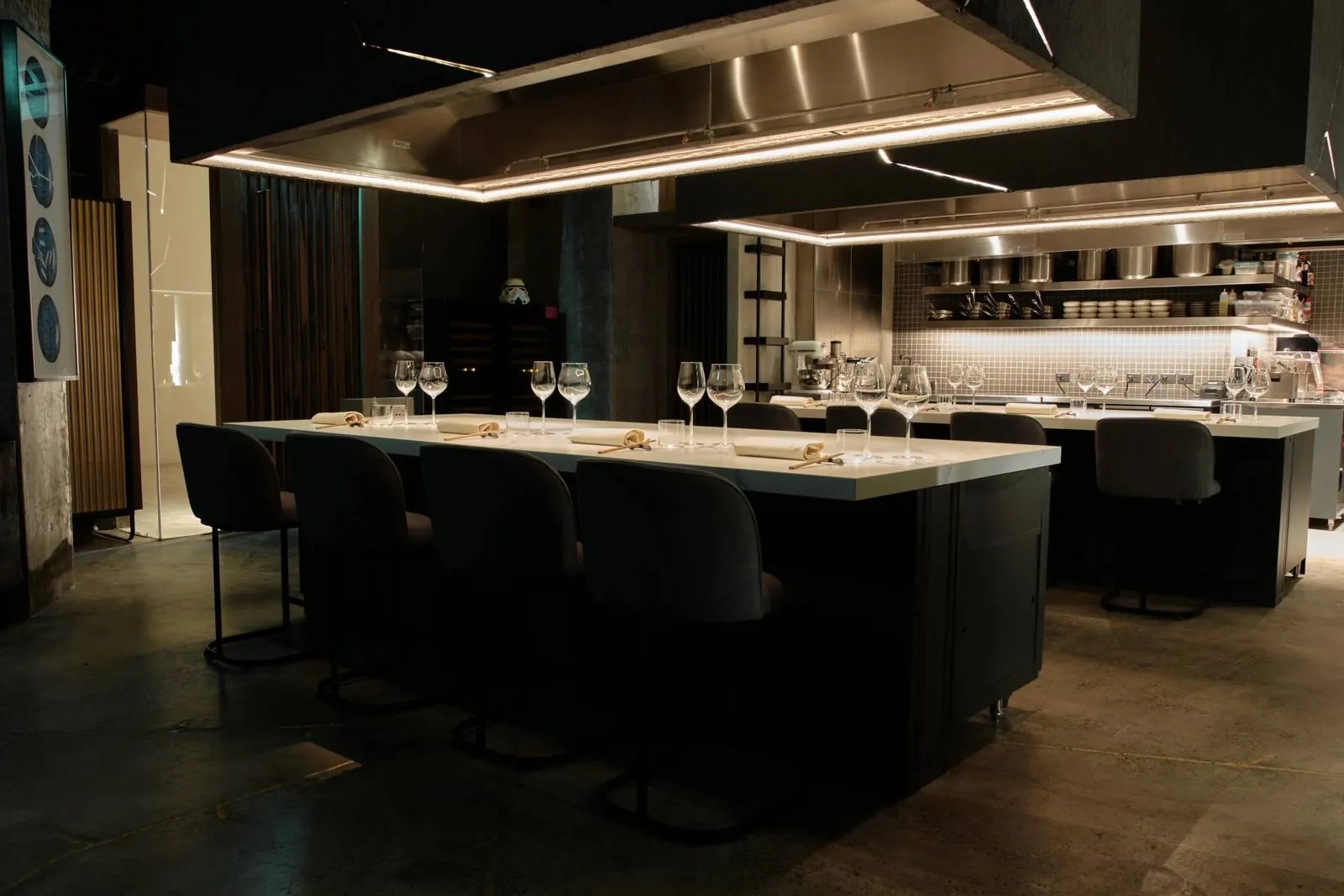
Michelin Manila and Cebu 2027: FLOW Earns the Only New Star
The second Philippine selection grows to 127 establishments, as Helm holds two stars in Makati and every starred restaurant from the first edition keeps its rating.

The grand hotel dining room went from safe to serious. The starred hotel restaurant is now the flagship.
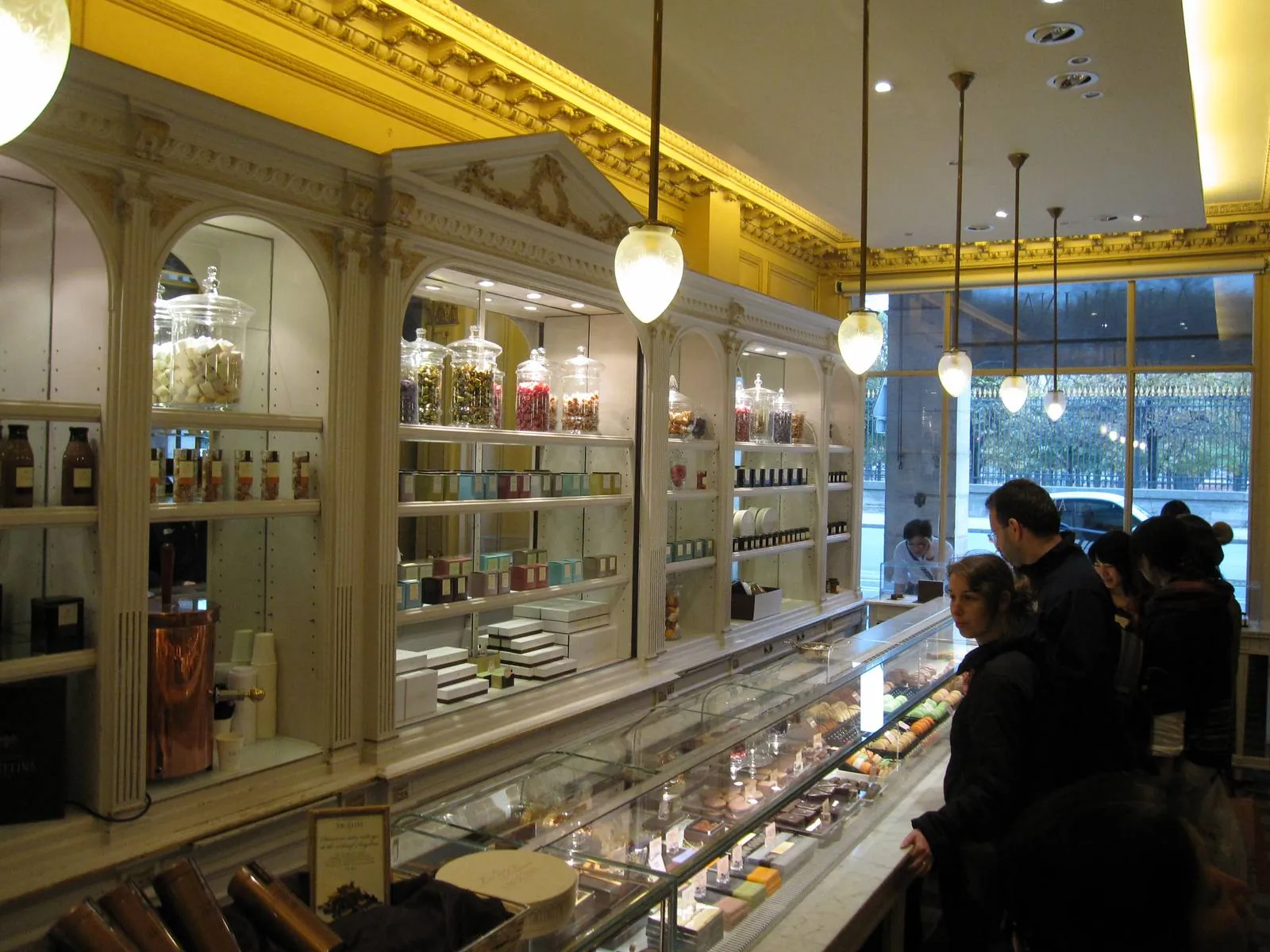
For years, the hotel dining room was where ambition went to be safe: the club sandwich, the breakfast buffet, the room-service menu. That era is over. The grand hotel dining room is having a second act, and this time it is the flagship.
The evidence is in Paris. Plenitude, at Cheval Blanc Paris, opened in 2021 and received three Michelin stars in 2022. Its chef is Arnaud Donckele. Three stars within a year of opening is not a hotel restaurant playing it safe. It is a hotel restaurant playing to win.
At the Peninsula Paris, L'Oiseau Blanc serves lunch and dinner and holds two Michelin stars. The pattern is consistent: the great hotels stopped treating their dining rooms as amenities and started treating them as destinations.
Hotels have what independent restaurants rent: the room, the capital, and the built-in audience. A three-star kitchen needs a dining room built without compromise, a brigade paid properly, and the patience to build a reputation over years. The economics of a luxury hotel absorb what would sink an independent room.
There is also the guest. The hotel diner is traveling, celebrating, or expensing, which is to say primed for the occasion the dining room sells. The restaurant does not need to win the neighborhood. It needs to be worth the trip upstairs.
The hotel dining room's first act ended when the consulting chef arrived: a famous name on the menu, a photograph in the lobby, and a kitchen run by someone else. Diners learned to read the arrangement, and the rooms emptied of everyone who was not already staying upstairs.
The second act reversed the deal. The chef is resident, the authority is real, and the restaurant is built to draw the city, not just the guests. Donckele at Plenitude and the team at L'Oiseau Blanc are not lending their names. They are cooking in the building, under their own names.
There is a final advantage the independents cannot copy: the halo. A great hotel restaurant lifts the entire building, from the bar to the breakfast room to the rates themselves. The dining room is a loss leader that never loses, because its value is priced into every key in the house.
Location is the quiet advantage. The hotel restaurant sits where the foot traffic already is: the lobby, the bar, the arriving guest who has not yet decided where to eat. An independent room must earn every visit with marketing. The hotel room inherits its audience and converts it, night after night, which is why the second act will outlast the first.
The second act has rules. The restaurant must be good enough to draw non-guests, or it is just room service with better lighting. The chef must have real authority, not a consulting contract and a photograph in the lobby. Plenitude and L'Oiseau Blanc clear the bar because the cooking leads and the hotel follows. The second act is still being written. But the trajectory is clear: the hotel dining room has stopped apologizing.
Filed from the Tables desk.
The second Philippine selection grows to 127 establishments, as Helm holds two stars in Makati and every starred restaurant from the first edition keeps its rating.
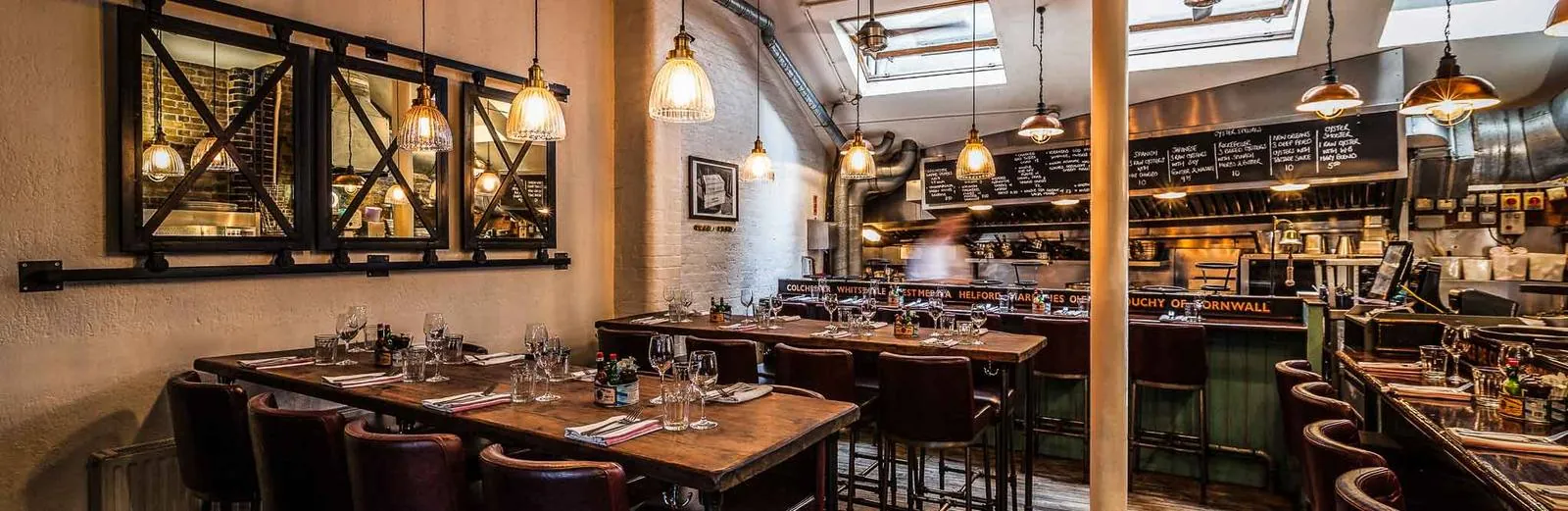
The London seafood group opens at 45 Great Queen Street on November 28, restoring its portfolio to four restaurants on the former Margot site.
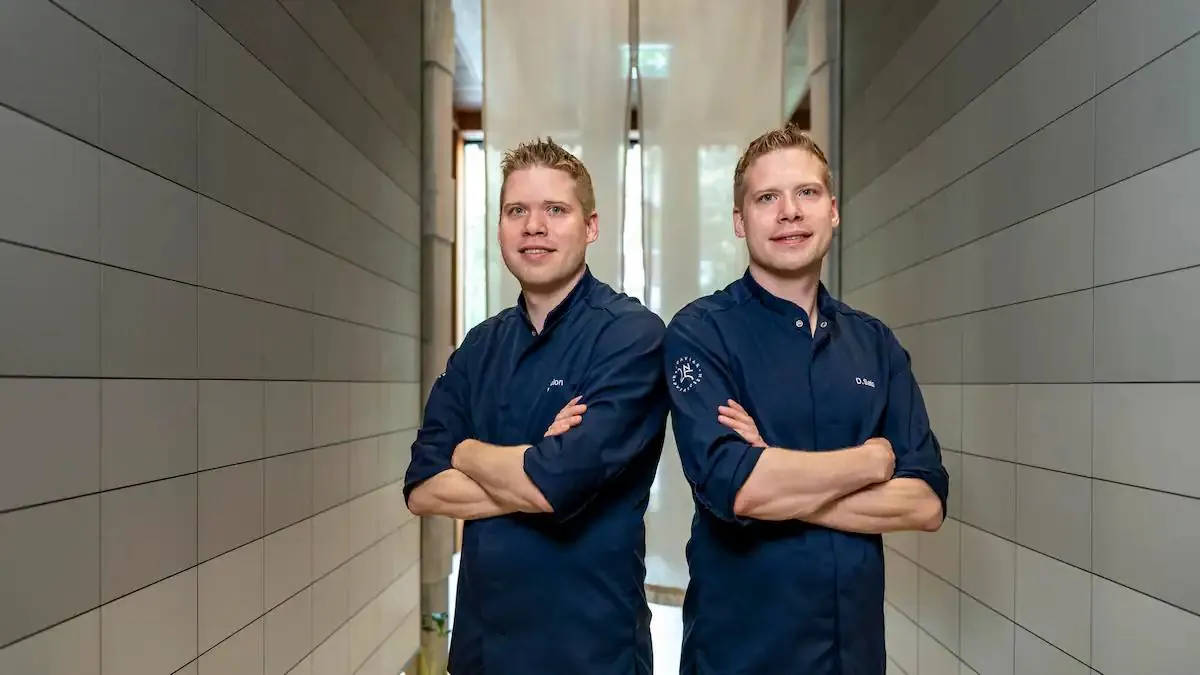
The Japanese Restaurant at The Chedi Andermatt was promoted to three stars, leading a Swiss selection of 133 starred restaurants for 2026.
The week's essential tables, in your inbox every Sunday.
Free. Unsubscribe anytime. Read our privacy policy.