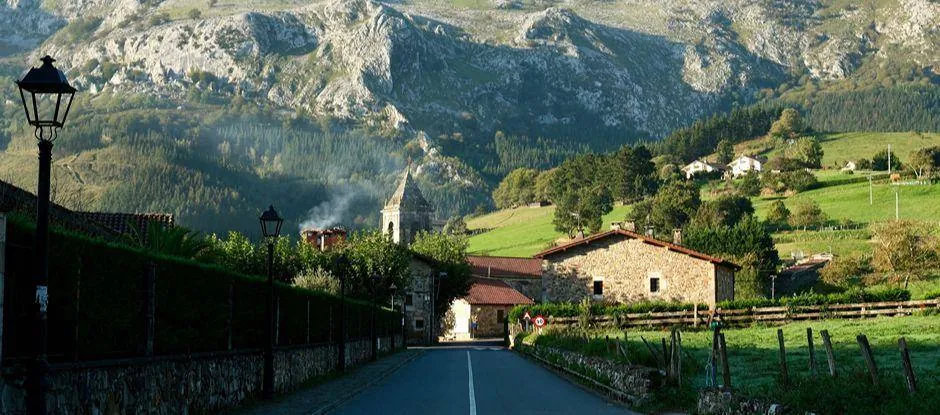
Etxebarri Named the World's Best Restaurant for 2026
Asador Etxebarri in Atxondo took the No. 1 spot at The 50 Best Restaurants 2026 in Lima, ahead of Gaggan in Bangkok and Alchemist in Copenhagen.

Our annual ranking of the world's dining rooms, voted by the growers, fishermen, and makers who supply them.
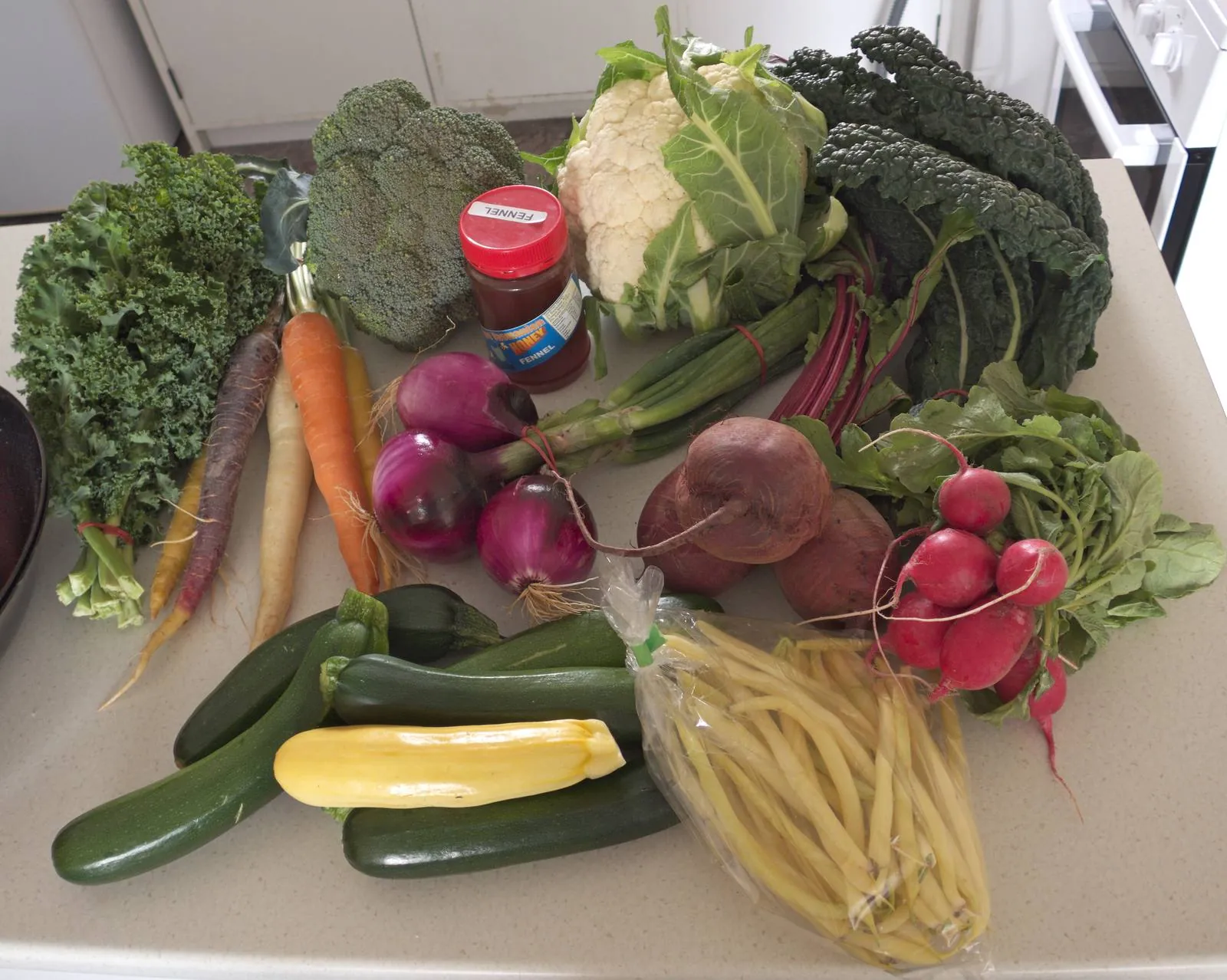
Every restaurant ranking asks the same people. Chefs vote for chefs. Critics vote for their lunches. Diners vote with their phones. The Provenance 100 asks someone else. It asks the suppliers.
The logic is plain. Nobody knows a kitchen the way its suppliers do. The farmer sees what arrives at dawn and what comes back untouched. The fisherman knows which kitchens buy whole fish and which buy fillets. The cheesemaker knows who ages with patience and who performs for the camera. Their vote is cast from the loading dock, not the dining room.
Consider the best-known list. The World's 50 Best Restaurants polls more than 1,000 chefs, critics, restaurateurs, and gastronomes, organized in regional panels. Each voter names ten restaurants, in order of preference, where they ate in the previous eighteen months. Voters upload proof of visit. Voting is confidential and independently adjudicated by Deloitte. The rules are published in full.
The criteria are not. The organization sets none and tells its voters to make up their own minds. That honesty is admirable, and it produces a list that rewards visibility: the dining rooms that travel well, photograph well, and host the industry. A farm kitchen that buys whole animals from one farm and never courts a camera cannot compete on those terms.
The Provenance 100 inverts the lens. The electorate is restricted to verified suppliers: growers, fishermen, ranchers, cheesemakers, millers, foragers, butchers, and winemakers who sell directly to restaurants. People whose livelihood depends on what kitchens actually do, five mornings a week.
Each spring, Table & Fare publishes the electorate. Any supplier may apply. Admission requires documented trade with at least three restaurants and two years in business. Voters are published by name, trade, and region. There is no anonymous bloc and no honorary seats.
The calendar is fixed. Nominations open in March. Voting runs May through June. Every ballot names up to ten dining rooms and, for each, the product the voter supplies to it. Verification runs July through August: each ballot is checked against invoices and delivery records. The shortlist of one hundred is published in September. The ranking is revealed at a ticketed dinner in October, cooked by kitchens chosen by the voters.
Two rules are absolute. Rankings are never sold. A restaurant cannot buy its position, its shortlist place, or a voter seat, and sponsors of the reveal dinner do not touch the count. The full methodology, the electorate list, and the anonymized ballot data are published alongside the results, every year.
The question on the ballot is not where the voter ate best. It is which dining rooms do their ingredients proudest. That is a different question, and it will produce a different list. Expect farm kitchens over flagships. Expect regions the other lists fly over. Expect argument. Argument is the point.
The first electorate opens for applications this March. The first reveal dinner follows in October. We will publish everything we learn along the way, including the mistakes. A ranking is only as honest as its method, and our method is now public.
Filed from the The Index desk.
Asador Etxebarri in Atxondo took the No. 1 spot at The 50 Best Restaurants 2026 in Lima, ahead of Gaggan in Bangkok and Alchemist in Copenhagen.

Our annual reader survey: how the people we write for actually eat.
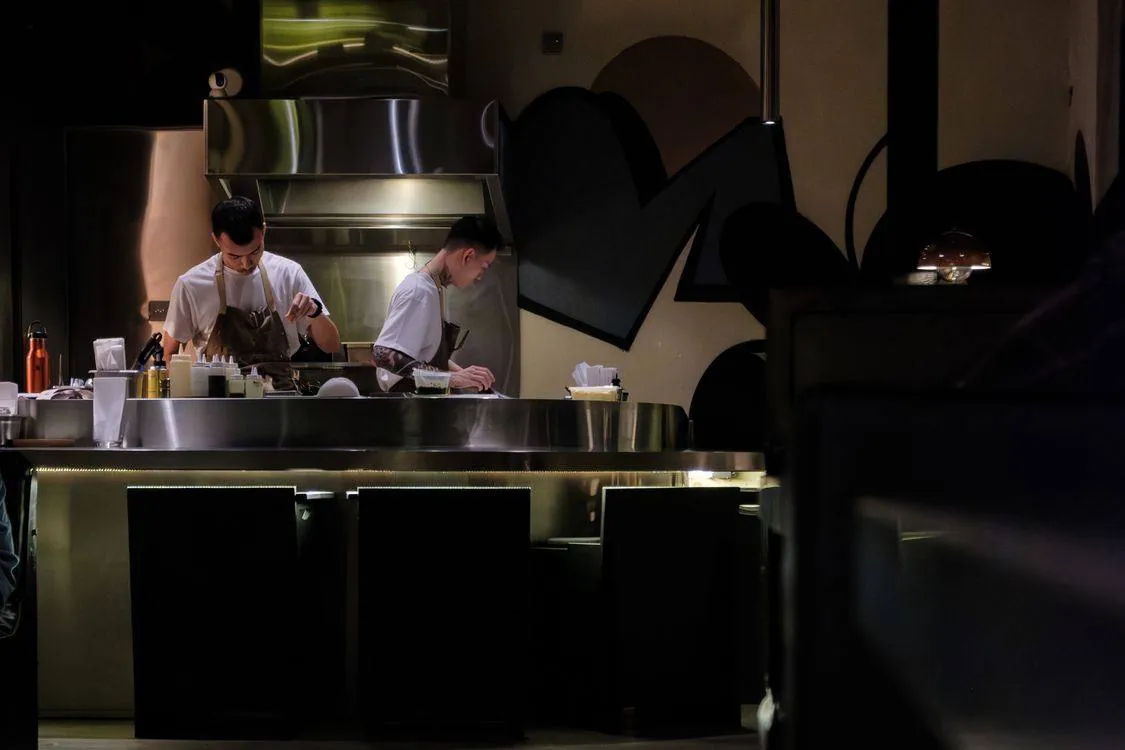
Table & Fare's annual industry survey: costs, staffing, and the numbers behind the dining rooms.
The week's essential tables, in your inbox every Sunday.
Free. Unsubscribe anytime. Read our privacy policy.