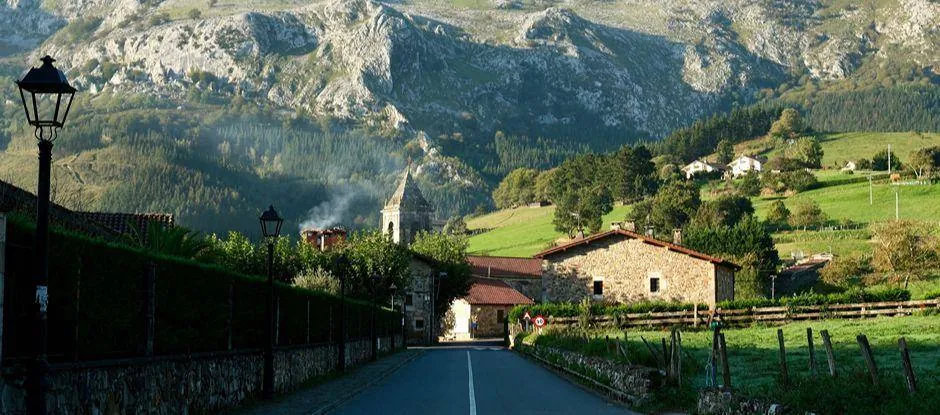
Etxebarri Named the World's Best Restaurant for 2026
Asador Etxebarri in Atxondo took the No. 1 spot at The 50 Best Restaurants 2026 in Lima, ahead of Gaggan in Bangkok and Alchemist in Copenhagen.

Table & Fare's annual industry survey: costs, staffing, and the numbers behind the dining rooms.
Every year, the industry talks about itself in anecdotes. A chef closes. A dining room raises prices. A group expands. Anecdotes are vivid and useless. The State of the Table is our attempt to replace them with numbers.
It is an annual survey of the restaurant industry, run by Table & Fare's data desk and published each autumn. It measures what keeps dining rooms open and what closes them: food costs, labor costs, rents, menu prices, staffing levels, and the margins left when the month ends.
The broad picture is documented. The National Restaurant Association's 2025 State of the Restaurant Industry report projected United States industry sales of 1.5 trillion dollars and employment of 15.9 million by year end, with more than 200,000 net new jobs added. The industry remains the country's second-largest private-sector employer.
Operators are cautious but spending continues. More than eight in ten operators expected 2025 sales to match or beat 2024. Consumers report they would eat out more if they had the money: 81 percent for tableservice restaurants, 76 percent for quickservice, 82 percent for delivery. The demand is there. The economics are the hard part.
Value has been redefined. Sixty-four percent of fullservice customers say the dining experience matters more than the price of the meal. Ninety percent of fine dining operators say getting diners back into seats matters more to success than anything else. Restaurants, in the Association's words, are working to recapture pre-pandemic levels of on-premises traffic.
Providing customers with higher perceived value and placing greater importance on the overall dining experience could positively affect sales. That includes emphasizing service and hospitality and providing an atmosphere that promotes socialization.Hudson Riehle, National Restaurant Association
National figures describe an industry. We cover dining rooms. The State of the Table surveys independent restaurants and small groups across twenty cities: the rooms we write about, in the markets we cover. The questionnaire is published in full before fieldwork begins, and the results are published with the method, not just the headlines.
We ask about food cost as a share of revenue, labor cost as a share of revenue, and rent. We ask how menu prices moved in the last twelve months and why. We ask about open positions, time to hire, and retention. We ask what changed in the dining room: hours cut, services dropped, formats simplified. And we ask what operators would do with a tenth more margin, because the answer reveals what the business is starved of.
The survey is anonymous. No restaurant is named in the results without its written permission. The sample is weighted by city and segment, and we publish the sample size, the response rate, and the weighting. Where the sample is thin, we say so instead of smoothing it over.
The first edition publishes next autumn, covering the twelve months prior. Between now and then, we will publish the questionnaire and invite criticism of it. A survey is a promise about what you think matters. We would rather be corrected now than embarrassed later.
Filed from the The Index desk.
Asador Etxebarri in Atxondo took the No. 1 spot at The 50 Best Restaurants 2026 in Lima, ahead of Gaggan in Bangkok and Alchemist in Copenhagen.
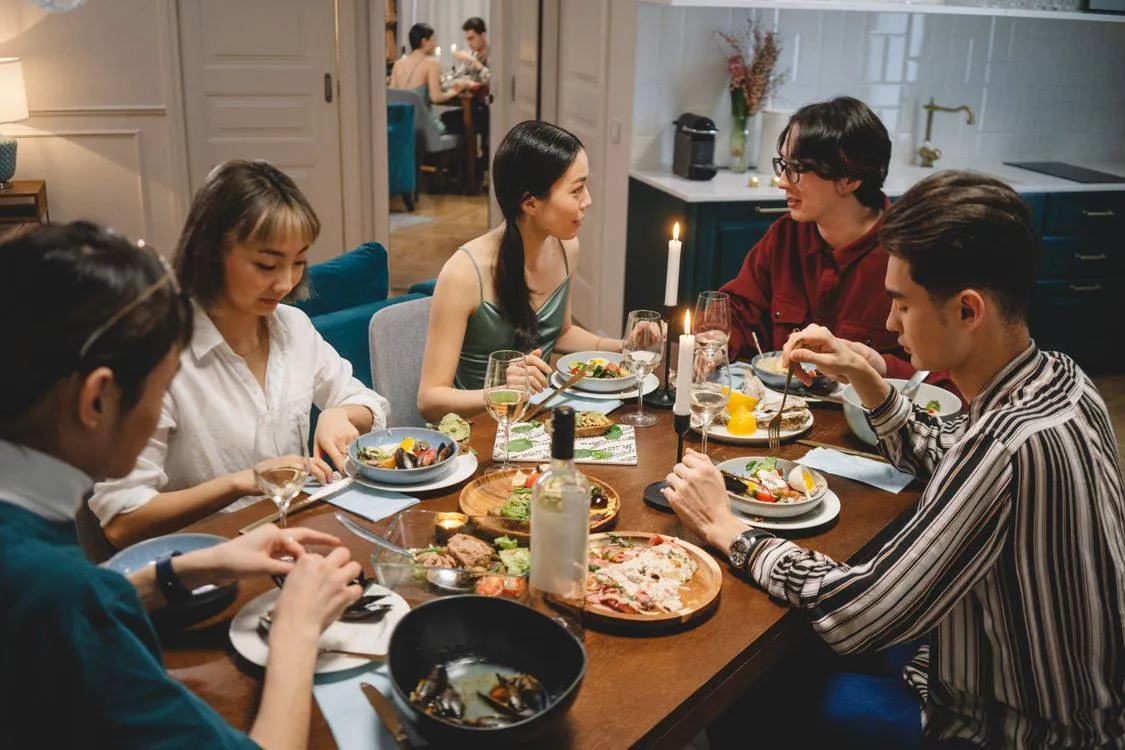
Our annual reader survey: how the people we write for actually eat.
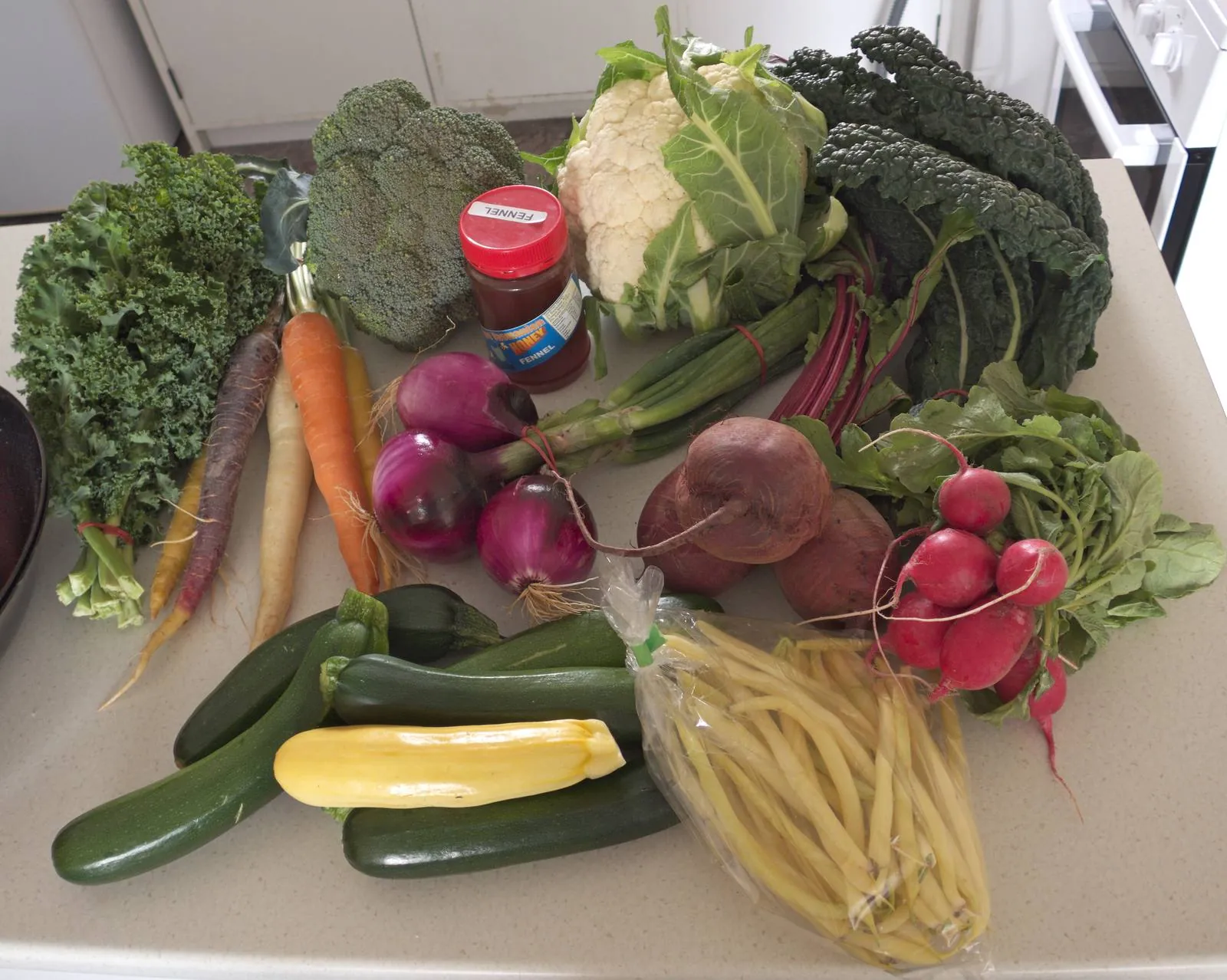
Our annual ranking of the world's dining rooms, voted by the growers, fishermen, and makers who supply them.
The week's essential tables, in your inbox every Sunday.
Free. Unsubscribe anytime. Read our privacy policy.