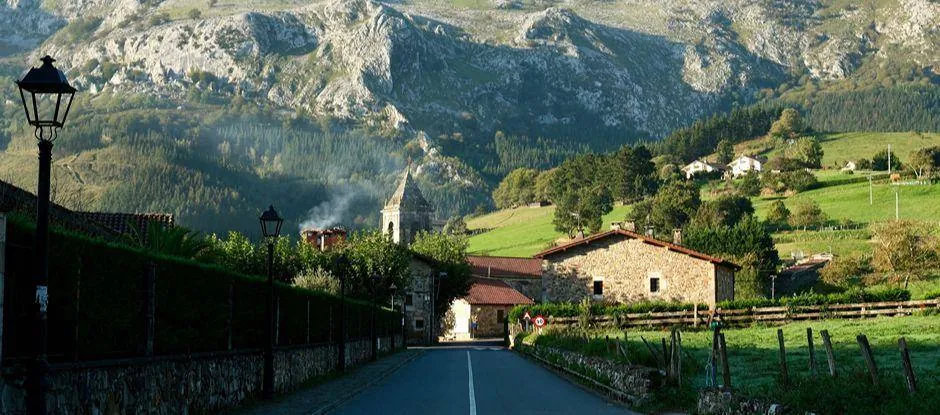
Etxebarri Named the World's Best Restaurant for 2026
Asador Etxebarri in Atxondo took the No. 1 spot at The 50 Best Restaurants 2026 in Lima, ahead of Gaggan in Bangkok and Alchemist in Copenhagen.

Our annual reader survey: how the people we write for actually eat.
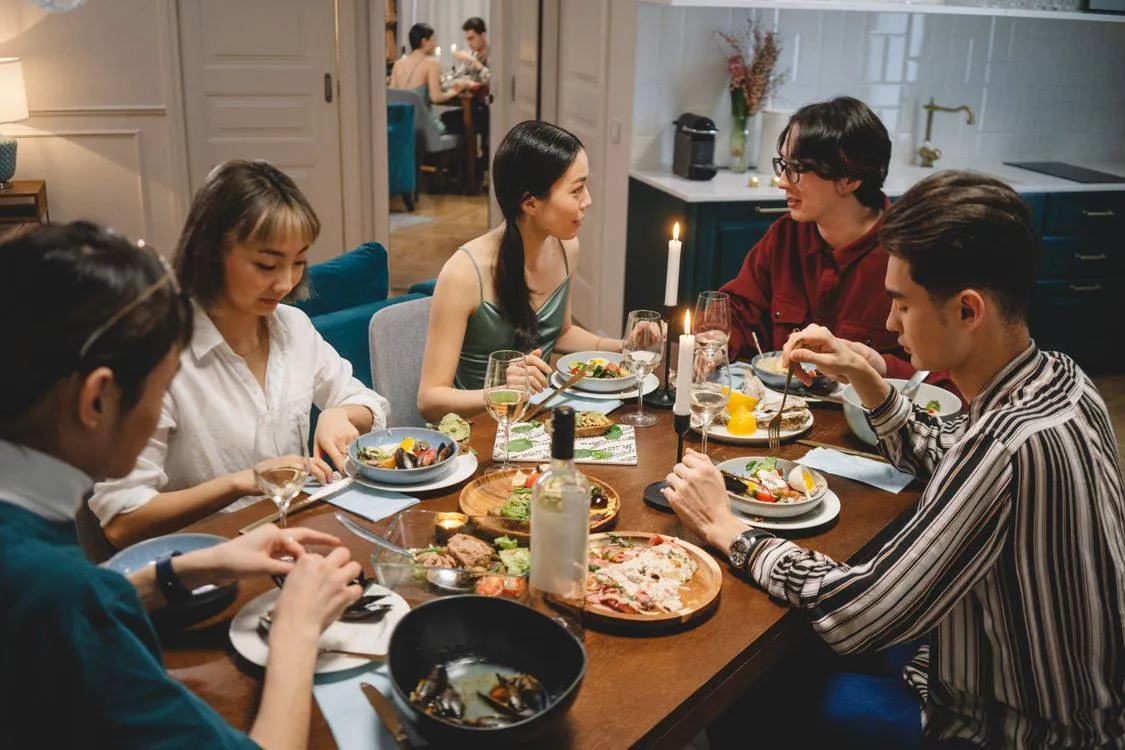
Restaurants guess at their guests. We would rather ask. What Diners Want is Table & Fare's annual survey of the people who read us: how often they eat out, what they spend, what brings them back, and what sends them elsewhere.
The questions matter because the answers shape our coverage. If readers are booking counters, we should be writing about counters. If they have stopped ordering dessert, someone should ask why. A publication that does not know its readers' tables is decorating, not reporting.
The broad strokes are visible in platform data. OpenTable's research found 54 percent of diners planned to eat out more in 2025 than the year before, led by younger generations: 71 percent of Gen Z and 68 percent of millennials. Midweek dining rose, with Wednesdays up 11 percent year over year. Solo dining grew 10 percent. Group dining, parties of six or more, grew 8 percent.
The appetite for experience is the sharpest signal. OpenTable's experience bookings rose 27 percent year over year, and 42 percent of diners said they were more interested in experiential dining, from tasting menus to cooking classes to omakase. Sixty-one percent planned to try new restaurants rather than return to favorites.
The newest data sharpens the picture. OpenTable's 2026 dining trends for Canada show group dining for parties of six or more up 28 percent year over year, with 37 percent of diners preferring group dining to solo dining in 2026. Countertop seating saw the largest increase of any seating type, up 78 percent. Seventy percent of diners say eating out is how they feel connected to others.
The rise of group dining is a standout trend from 2025, and our consumer research shows it is not going anywhere in 2026.Matt Davis, OpenTable Canada
Platform data shows bookings. It does not show motives. Our survey asks readers directly: how many restaurant meals a month, at what spend, booked how far ahead. It asks what matters most when choosing: the cooking, the room, the welcome, the price, the noise. It asks about the deal-breakers: the service charge that was not disclosed, the table turned too fast, the menu that read better than it ate.
It asks about the trade-offs of this decade. Tasting menu or a la carte. Counter or table. Early seating or late. And it asks what readers want us to cover, because a reader survey that ignores its readers' curiosity is vanity publishing.
The survey goes to newsletter readers each spring and stays open for three weeks. It is anonymous by default. We publish the questionnaire in advance, the results in full, and the sample description alongside them. No result is reported without its base: so many respondents, of whom so many in each region.
The first results publish next summer. Until then, the booking data gives us the shape of the questions. Diners are eating out more, together, earlier in the week, at the counter, and they want the meal to be an occasion. Our job is to find out why, in their words.
Filed from the The Index desk.
Asador Etxebarri in Atxondo took the No. 1 spot at The 50 Best Restaurants 2026 in Lima, ahead of Gaggan in Bangkok and Alchemist in Copenhagen.
Table & Fare's annual industry survey: costs, staffing, and the numbers behind the dining rooms.
Our annual ranking of the world's dining rooms, voted by the growers, fishermen, and makers who supply them.
The week's essential tables, in your inbox every Sunday.
Free. Unsubscribe anytime. Read our privacy policy.