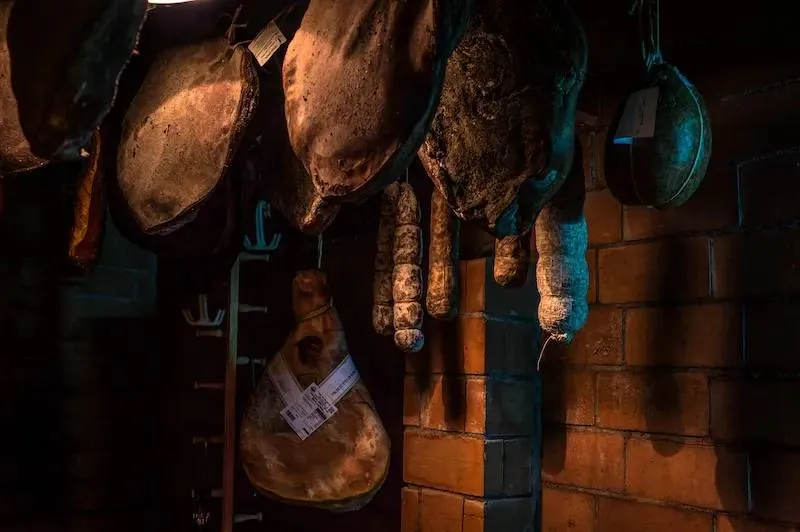
The New Salumieri
Italian craft, American pigs: three salumerie proving charcuterie travels better than anyone expected.

Two century-old smokehouses, London and Brooklyn, still curing fish the slow way. Smoke is patience made visible.
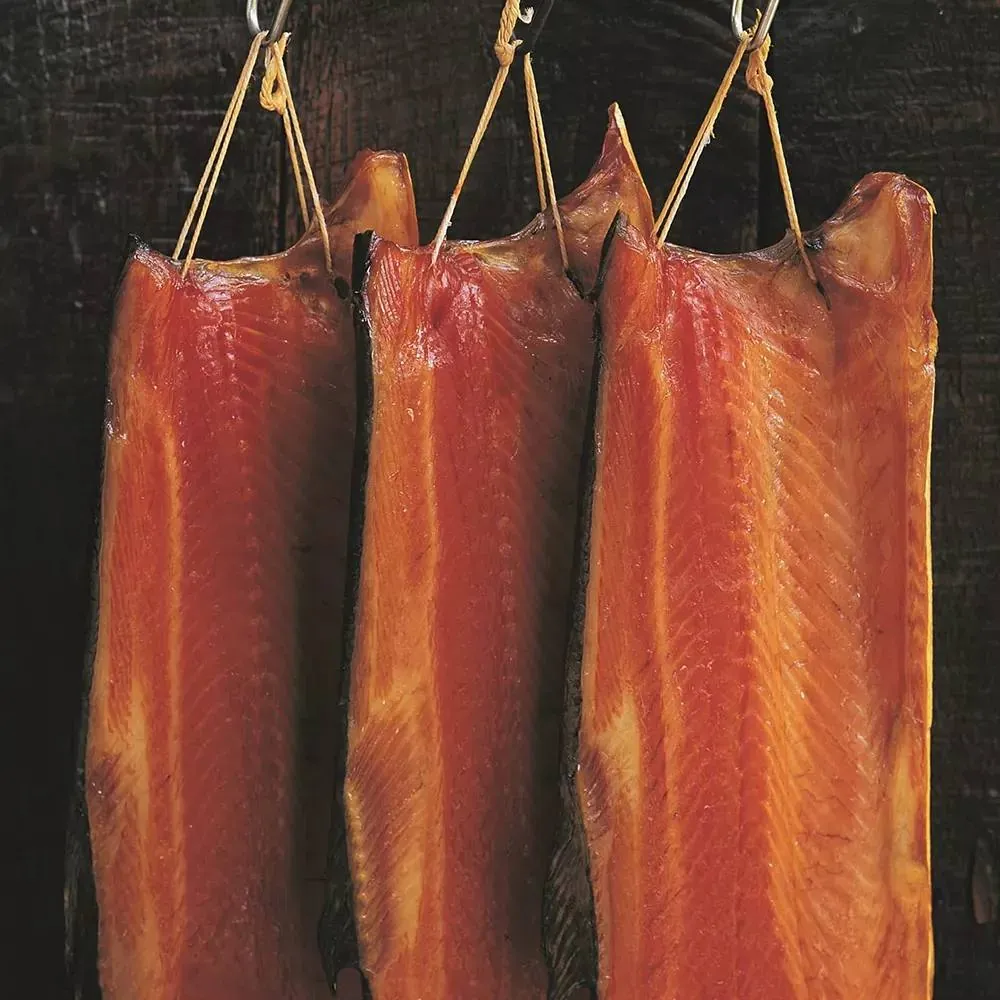
Smoking fish is one of the oldest crafts in the food world, and the best practitioners have barely changed it in a century. Salt, air, wood smoke, time. The recipe fits on an index card. The judgment takes a generation to learn.
The method is preservation, the result is luxury. What began as a way to keep fish through winter became, in the right hands, one of the most precise crafts in the kitchen. The smokehouses below never changed the method. They just refused to hurry it.
H. Forman and Son was founded in London in 1905 by Harry Forman. The company initially smoked Baltic salmon received in saltwater barrels, later moving to fresh Scottish salmon. By the 1920s it was supplying Harrods, Selfridges, and The Savoy.
Baltic salmon in saltwater barrels is a vanished world. The fish arrived preserved for the journey, and the smokehouse's job was to finish what the barrel started. The move to fresh Scottish salmon changed the raw material completely, and the method absorbed the change without breaking.
Supplying Harrods, Selfridges, and The Savoy by the 1920s meant the company had gone from a London smokehouse to an institution in under two decades. The great London stores do not gamble on suppliers. They buy from the ones that have never let them down.
The process has the rhythm of a liturgy. The salmon is hand-filleted, salted for up to 24 hours, air-dried, and smoked over oak while still on the bone. Nothing in that sentence has changed in a hundred years, which is the point.
Smoking on the bone is the detail that marks the traditionalist. The bone stays in through the smoke, and the fish cures around it. It is slower, harder to handle, and the reason the texture is what it is. Modern production removed the bone for efficiency. Forman's never did.
Forman's produces 'London Cure Smoked Salmon,' protected under the EU Protected Geographical Indication scheme. It was the first London-based food to obtain this EU protected status. The London Cure has appeared on the menus of the dining rooms in the House of Lords and the House of Commons, and it has been sold in Harrods, Selfridges, and Fortnum and Mason.
The first London food with EU protected status is a landmark, not a label. The PGI ties the London Cure to a place and a method, legally, which means no one else can borrow the name. Parliament's dining rooms and the great food halls stock it for the same reason: it cannot be faked.
The business is run by fourth-generation owner Lance Forman. Four generations of the same family, the same oak smoke, the same bone-in method.
Acme Smoked Fish was founded in Brooklyn in 1906 by Harry Brownstein, beginning with fish distribution by horse-drawn wagon. It opened a Brownsville location in the 1930s, then incorporated and began manufacturing in Greenpoint in 1954.
The company produces smoked salmon, other smoked fish, and pickled herring. From a horse-drawn wagon to a Greenpoint factory: the American deli arc, in one business.
A horse-drawn wagon in 1906 is the founding image, and the company has never outrun it. Brownsville in the 1930s, incorporation and Greenpoint manufacturing in 1954: each move scaled the operation without changing the product. The pickled herring sits alongside the smoked salmon as a reminder of the deli counter the business grew up serving.
London oak smoke on the bone. Brooklyn deli-style lox. Two curing traditions, two centuries of combined practice, one craft. Fire and time, and nothing else, still work.
Filed from the Artisans desk.
Italian craft, American pigs: three salumerie proving charcuterie travels better than anyone expected.
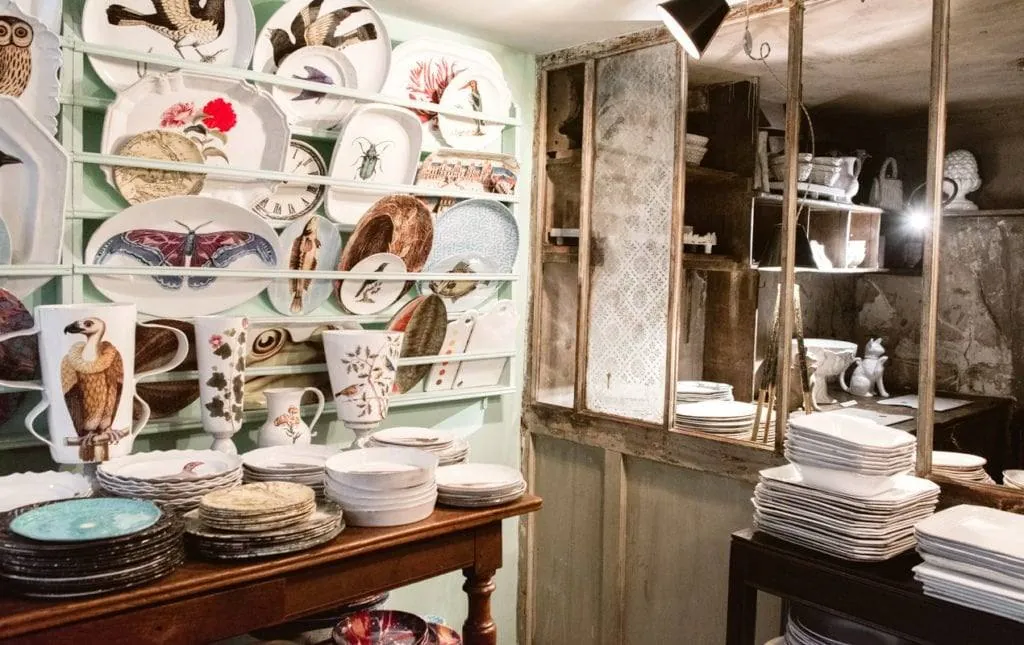
From a Paris workshop to Hasami to Sydney: three potters whose plates carry the world's food.
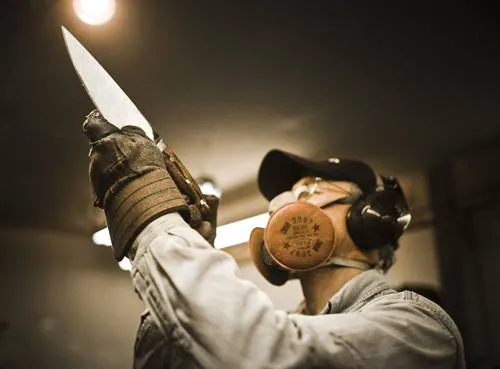
Blades, steel, patience: two makers whose order books run years deep, and why chefs keep waiting.
The week's essential tables, in your inbox every Sunday.
Free. Unsubscribe anytime. Read our privacy policy.