Fire and Time
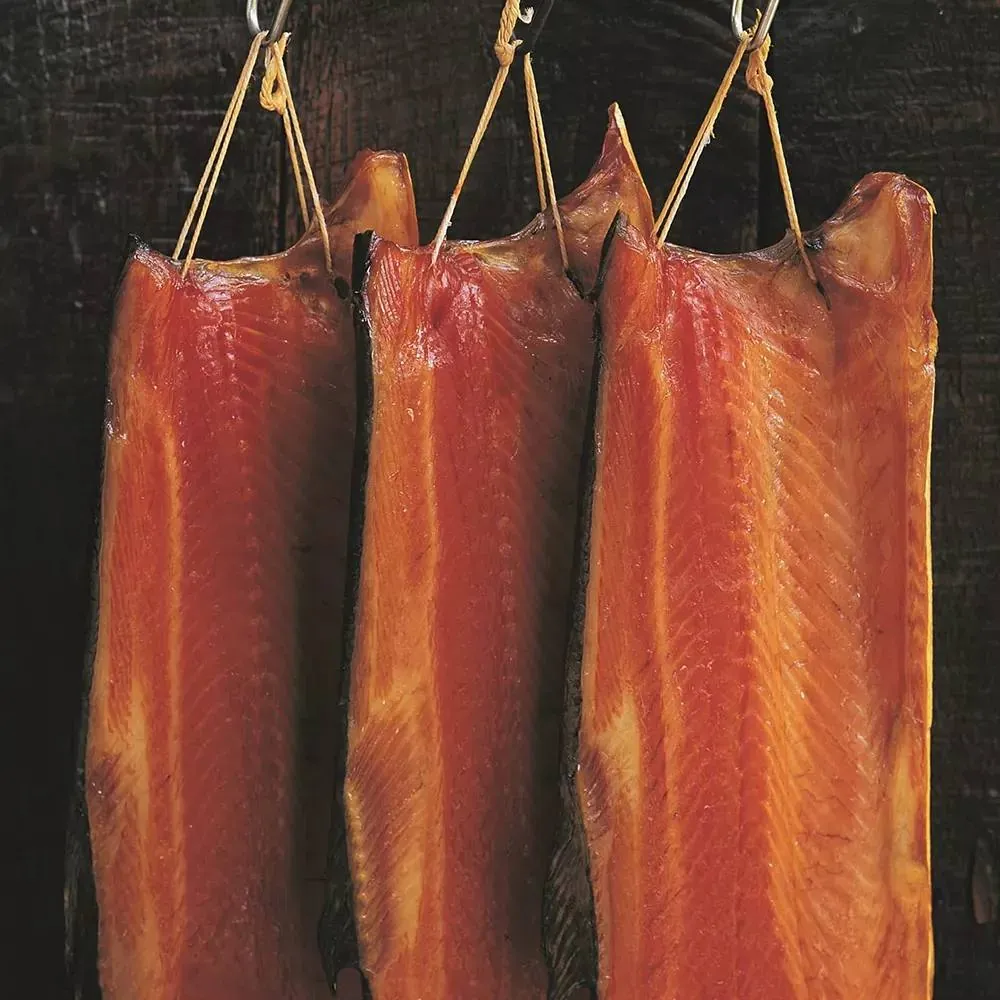
Two century-old smokehouses, London and Brooklyn, still curing fish the slow way. Smoke is patience made visible.

Blades, steel, patience: two makers whose order books run years deep, and why chefs keep waiting.
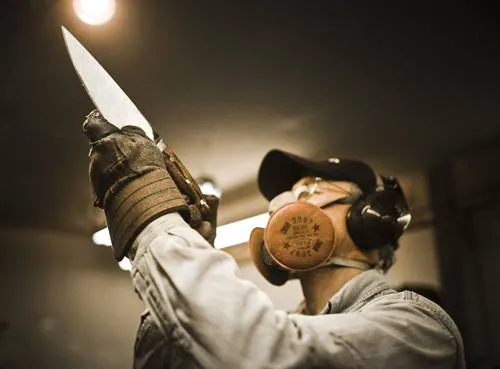
A chef's knife is a tool, until it is not. The knives below are made one at a time, by hand, in quantities so small that demand has outrun supply for years. The waiting list is not a marketing device. It is an arithmetic problem.
One maker, two hands, a fixed number of hours. That is the entire economics of the handmade knife at the highest level. The chef who wants one is not buying steel. The chef is buying a place in someone's working life, years in the future.
Bob Kramer opened his first shop in Seattle in 1993. In 1997 he earned Master Bladesmith recognition from the American Bladesmith Society, and he became known for Damascus patterns and exotic wood handles.
The Damascus patterns are the signature: layered steel folded into visible waves and ripples, different on every blade. The exotic wood handles made each knife an individual object before the term 'custom knife' meant anything. Kramer was making one-off tools at a level the industry had not seen from an American maker.
Then, in 2008, Cook's Illustrated reviewed his knives. The review created demand that overwhelmed his output. Kramer responded by adopting a waiting list for his handmade knives, and the list grew the way lists do when one man makes every blade.
A single magazine review is all it took. That tells you how small the supply was and how thin the margin between obscurity and backlog. The demand did not come from a campaign. It came from a test kitchen saying the knives were that good.
He later closed the waiting list and began selling his knives by auction instead. Scarcity had become the distribution model. The auction did not make more knives. It only made the allocation honest.
The auction was the logical endpoint. A waiting list pretends that everyone will eventually be served. An auction admits what the arithmetic always said: there are more buyers than blades, and the price is the only fair referee.
In Japan, the queue is quieter but longer. Smith Shigefusa Iizuka was born in 1939, and his 120 mm double-bevel Kotekirimaru is forged from vintage steel and comes in a hand-sewn sheath.
The retailer selling the piece states a wait of two to three years. Vintage steel cannot be ordered. The hand-sewn sheath cannot be rushed. The wait is the product of two crafts, each with its own bottleneck.
Vintage steel is the detail that explains everything. It is material from another era, finite by definition, and every blade consumes a piece of a stock that cannot be replenished. The smith is forging with the past, and the past is running out.
The hand-sewn sheath adds a second queue behind the first. The blade waits for the smith. The sheath waits for the leatherworker. Two artisans, two timetables, one knife. The two-to-three-year estimate is not pessimism. It is scheduling.
Two makers, two continents, one pattern. The knife that a chef will wait years for is never just sharp. It is the record of someone's time, measured in steel.
Filed from the Artisans desk.
Two century-old smokehouses, London and Brooklyn, still curing fish the slow way. Smoke is patience made visible.
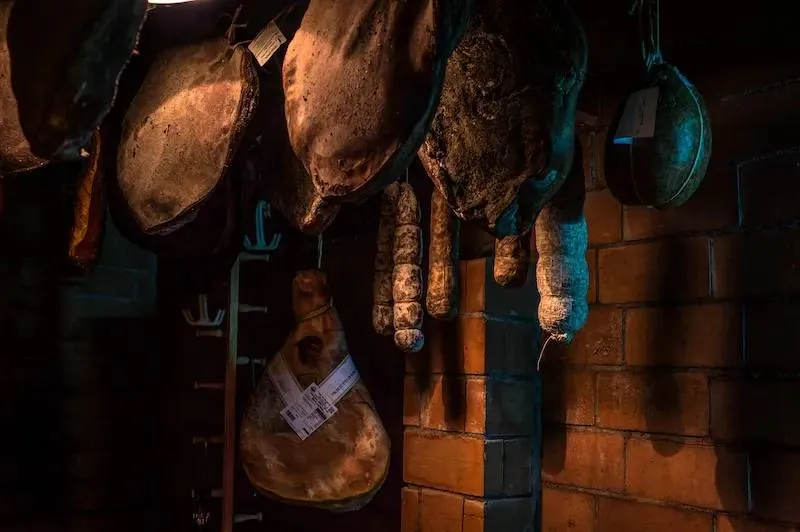
Italian craft, American pigs: three salumerie proving charcuterie travels better than anyone expected.
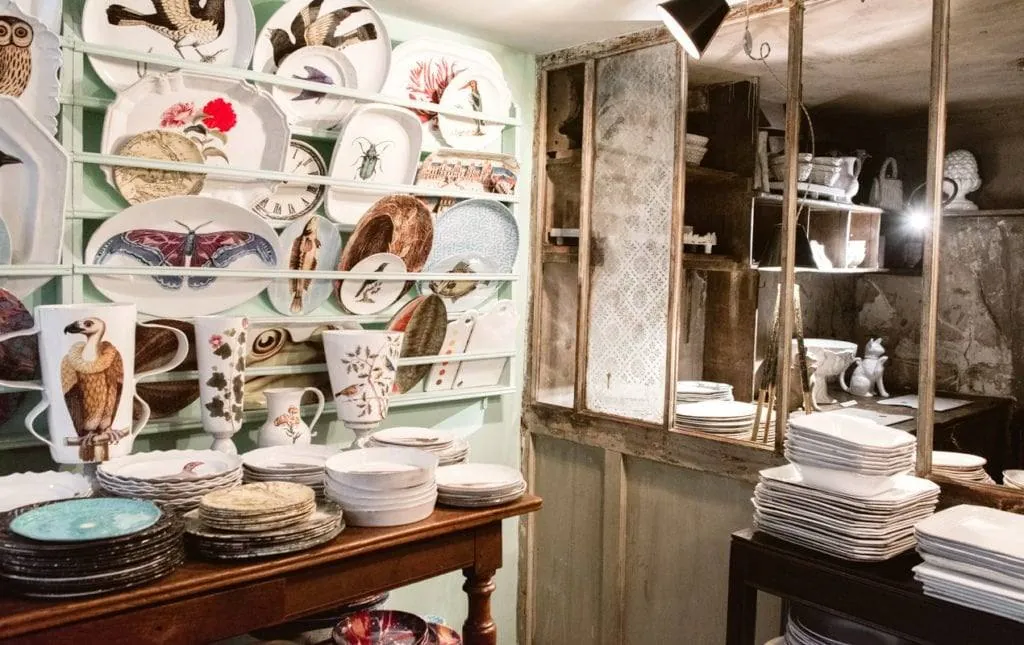
From a Paris workshop to Hasami to Sydney: three potters whose plates carry the world's food.
The week's essential tables, in your inbox every Sunday.
Free. Unsubscribe anytime. Read our privacy policy.