Fire and Time
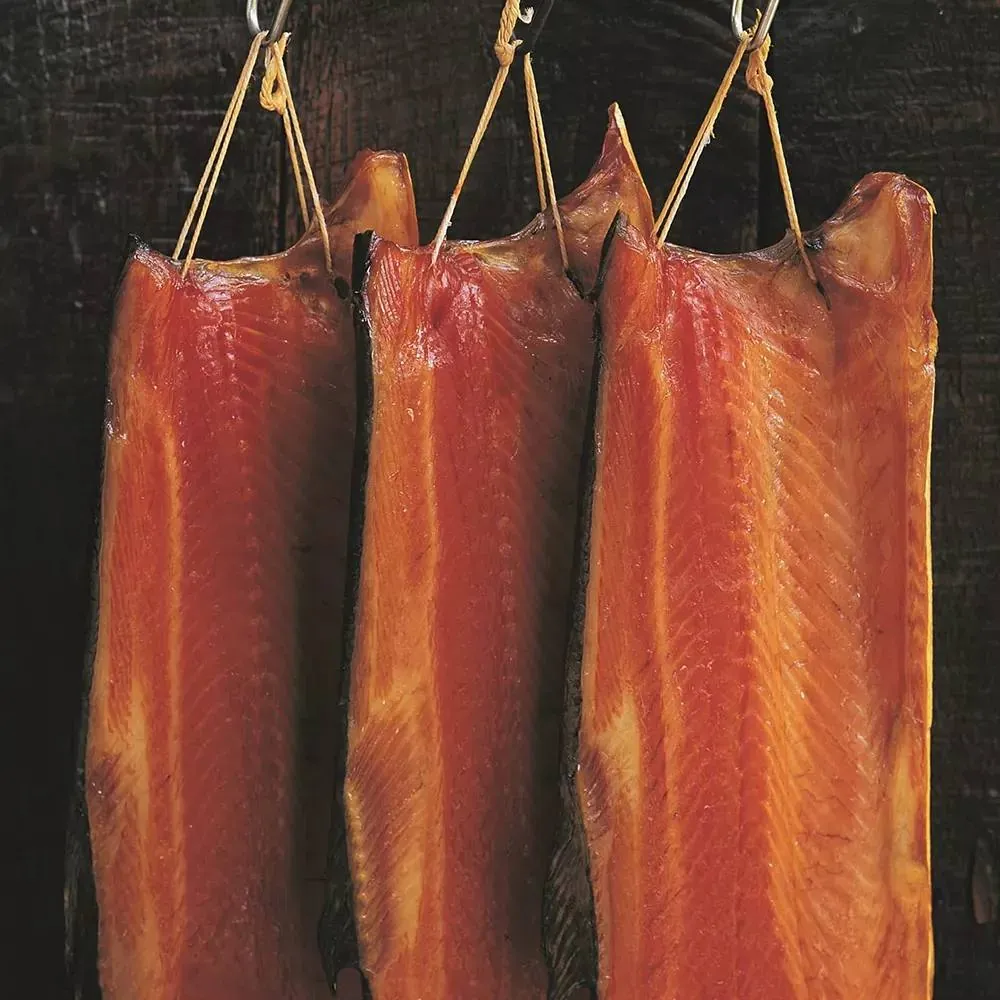
Two century-old smokehouses, London and Brooklyn, still curing fish the slow way. Smoke is patience made visible.

From a Paris workshop to Hasami to Sydney: three potters whose plates carry the world's food.
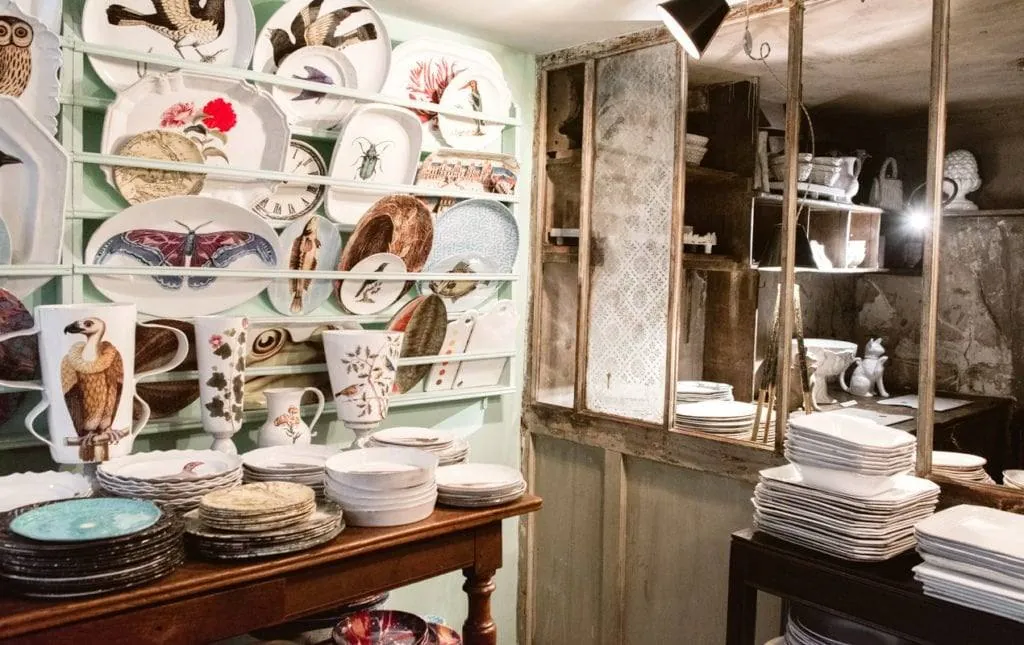
The plate is the frame. Before the food is judged, the plate has already spoken, about weight, about texture, about whether the kitchen cares about the things diners touch. Three ceramicists, on three continents, make the frames the world's tables trust.
Tableware is the slowest fashion in the dining room. Menus change by the season. Plates stay for years, sometimes decades, and the good ones become part of a restaurant's identity. Choosing a ceramicist is closer to choosing an architect than choosing a supplier.
Astier de Villatte was founded in Paris in 1996 by Benoit Astier de Villatte, Mathilde Carron-Astier de Villatte, and Ivan Pericoli. The first store opened in 2000.
Three founders, one workshop, four years from founding to first store. The pace was deliberate. The company was built around a place, the Boulevard Massena workshop, before it was built around a brand.
The tableware is made of black terracotta formed in plaster molds and covered with white glaze, produced at the Boulevard Massena workshop. The glaze crazes, the edges stay slightly irregular, and every piece carries the evidence of the hand. The brand has collaborated with outside designers and labels, but the workshop remains the point.
The crazing is the signature and the risk. A white glaze over black terracotta will crackle with use, and the pieces change as they age. In an industry that prizes the pristine, Astier de Villatte sells the beautiful imperfection and lets time finish the decoration.
Hasami Porcelain was founded in 2012 by interior designer Takuhiro Shinomoto. The brand draws on roughly 400 years of ceramic history in Hasami, Japan, and its forms are simple, stackable, and utilitarian, made from a mix of clay and porcelain.
Four centuries of craft, reduced to a cup that stacks. The restraint is the achievement. Hasami's potters spent generations learning to make everyday vessels perfectly, and Shinomoto's line is their argument that the everyday deserves the effort.
The founder's trade matters here. Shinomoto is an interior designer, not a potter, and he approached the 400-year tradition as a designer with a problem: the modern table needed vessels that were honest, durable, and stackable. The mix of clay and porcelain is the technical answer to that brief.
Mud Australia was founded and designed by Shelley Simpson in 1994 and is handmade in Sydney. The company uses Limoges porcelain clay, pigments the body at the slip stage, applies clear glaze inside, and offers 19 shades. The first Woollahra store opened in 2007.
Nineteen shades, one clay, no decoration. Mud's discipline is color as material: the pigment in the body, not on it. It is the quietest kind of luxury, and restaurants understood it immediately.
Pigmenting at the slip stage is the technical commitment. The color goes into the liquid clay before the piece exists, which means it cannot chip, scratch, or fade the way a surface glaze can. The 19 shades are not a catalog. They are nineteen versions of the same decision.
Thirteen years from founding to first store: Mud grew the way the others did, slowly, on the strength of the work. The Woollahra opening in 2007 formalized what Sydney's tables already knew.
Parisian irregularity, Japanese utility, Australian color. Three answers to the same question: what should the food sit on? All three put material honesty before decoration, and the world's tables noticed.
Filed from the Artisans desk.
Two century-old smokehouses, London and Brooklyn, still curing fish the slow way. Smoke is patience made visible.
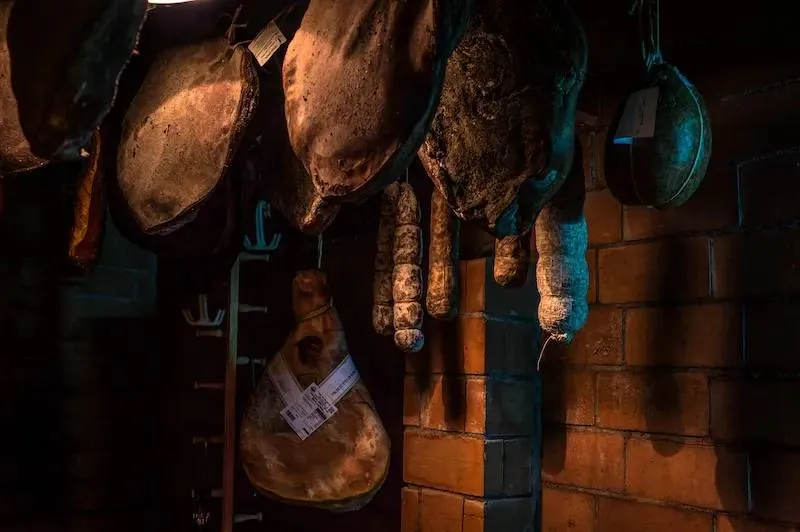
Italian craft, American pigs: three salumerie proving charcuterie travels better than anyone expected.
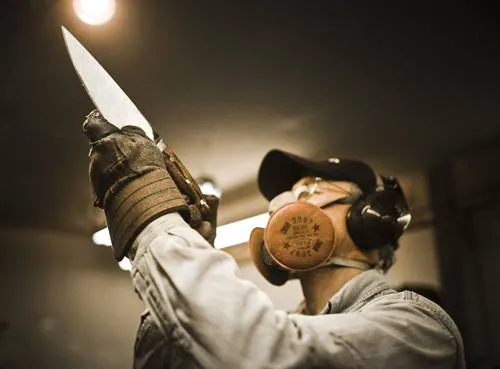
Blades, steel, patience: two makers whose order books run years deep, and why chefs keep waiting.
The week's essential tables, in your inbox every Sunday.
Free. Unsubscribe anytime. Read our privacy policy.