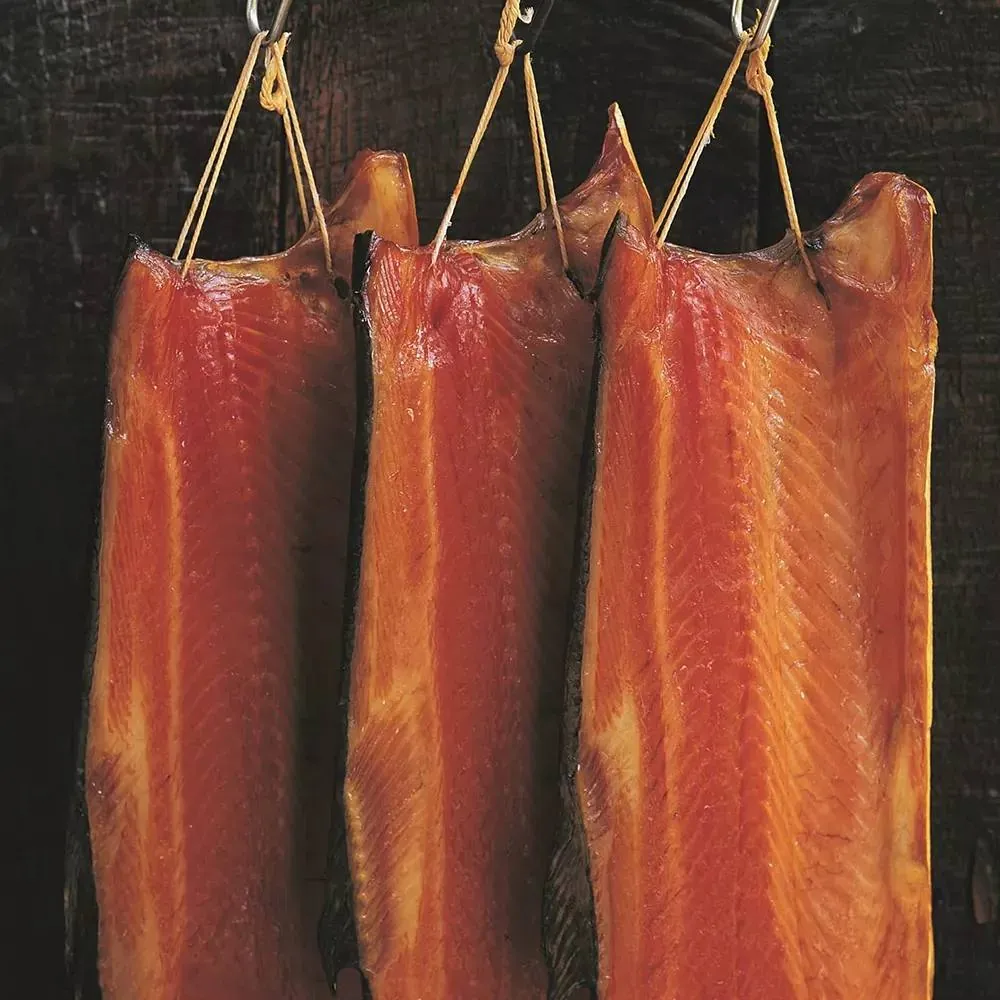
Fire and Time
Two century-old smokehouses, London and Brooklyn, still curing fish the slow way. Smoke is patience made visible.

Italian craft, American pigs: three salumerie proving charcuterie travels better than anyone expected.
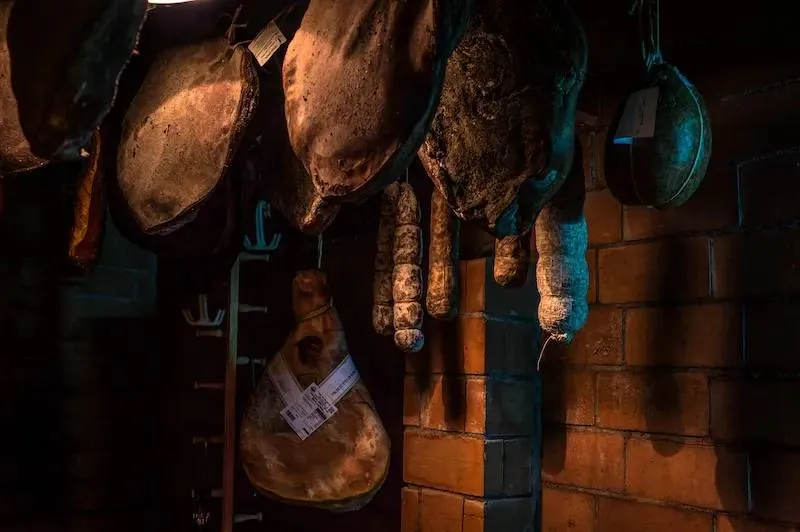
Charcuterie was supposed to belong to Italy and Spain the way champagne belongs to Champagne. Then a handful of Americans went to Parma, learned the craft, came home, and started curing. The results now sit on serious charcuterie boards on both sides of the Atlantic.
The bet underneath is simple. Curing is a technique, not a terroir, and the American pig is as good as the raw material gets. What the new salumieri needed was the knowledge, and they went to Italy to get it.
La Quercia was started in 2005 in Norwalk, Iowa, near Des Moines, by Kathy and Herb Eckhouse. It was originally named Prosciuttifio La Quercia before the name shortened. 'La Quercia' means 'The Oak' in Italian, a typical symbol of the province of Parma, where the Eckhouses lived for three and a half years learning dry-cured pork. The oak is also the state tree of Iowa.
Three and a half years in Parma is an apprenticeship, not a trip. The Eckhouses did not come home with recipes. They came home with judgment: how the meat should feel, how the salt should behave, when the cure is done. That judgment is the whole business.
The name does double duty, and that is the point. The oak ties Parma to Iowa in a single word. A company that names itself for two places is telling you its identity: Italian craft, American land, no contradiction.
The company makes prosciutto, salami, pepperoni, Jamon Iberico Americano, pancetta, bacon, sausage, and 'nduja. Its pork comes from heritage breeds including Berkshire and Tamworth, raised mostly within 200 miles in Iowa or Missouri under third-party-audited welfare protocols. The Parma apprenticeship shows in the product. The Iowa oak shows in the name.
The sourcing rules are the American half of the story. Heritage breeds, a 200-mile radius, third-party-audited welfare: the discipline is applied to the farm the way the Parma training is applied to the curing room. The product list runs from prosciutto to 'nduja because the raw material earned the range.
Olympia Provisions was founded in Portland on December 1, 2009, by Elias Cairo, Michelle Cairo, Tyler Gaston, Nate Tilden, and Martin Schwartz. It began as Oregon's first USDA salumeria in a 900-square-foot facility and expanded production to 34,000 square feet in 2014.
The company makes charcuterie, salami, sausages, cured meats, ham, and bacon. From 900 square feet to 34,000 in five years: the American appetite for real salumi turned out to be larger than anyone had measured.
Oregon's first USDA salumeria is a meaningful first. The USDA inspection regime is the gate between a local charcuterie hobby and a national business, and being first through it in the state meant writing the playbook. The five founders built the facility, then the market caught up.
Tempesta Artisan Salumi is a family-owned Chicago salumeria operated by Agostino and Antonio Fiasche. It began with Calabrian-style spreadable 'nduja, producing its first 200-pound USDA-plant batch in 2013, and later expanded into finocchiona, soppressata, and coppa.
Two hundred pounds of 'nduja was the seed. A decade later it is a full salumeria. The pattern repeats: start with one thing done properly, earn the room to do the rest.
The 'nduja-first strategy is worth noting. A spreadable Calabrian salami is a niche within a niche, and starting there meant mastering one difficult product before touching the classics. The finocchiona, soppressata, and coppa came later, once the curing room had proved itself.
Iowa prosciutto from a Parma apprenticeship. Portland's first USDA salumeria. Chicago's Calabrian 'nduja. The new salumieri are American by address and Italian by training, and the through line is the American pig: heritage breeds, regional sourcing, local curing rooms.
Filed from the Artisans desk.
Two century-old smokehouses, London and Brooklyn, still curing fish the slow way. Smoke is patience made visible.
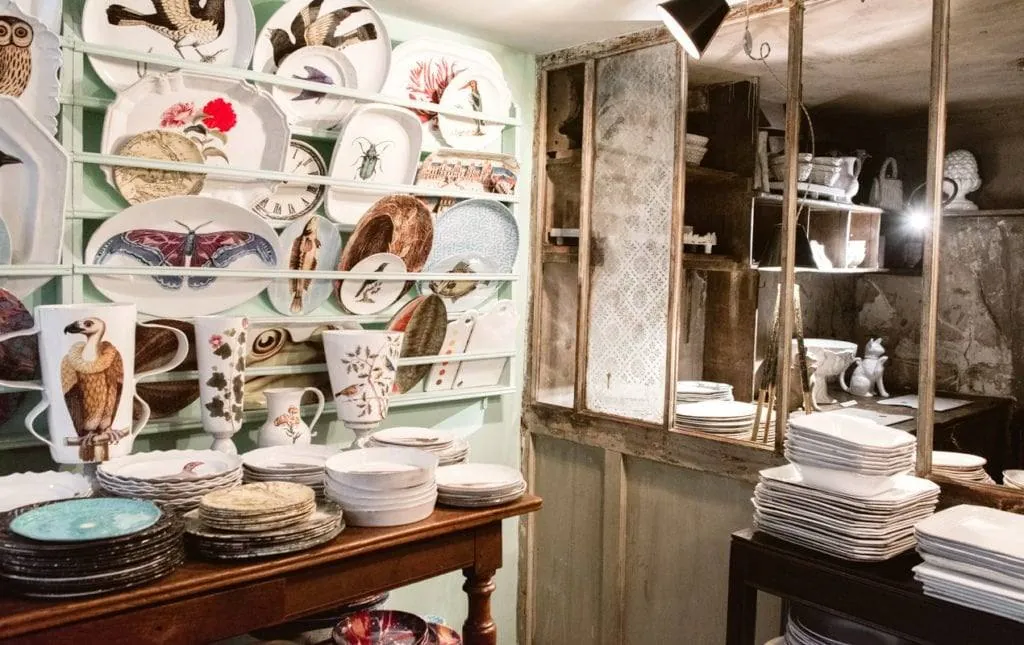
From a Paris workshop to Hasami to Sydney: three potters whose plates carry the world's food.
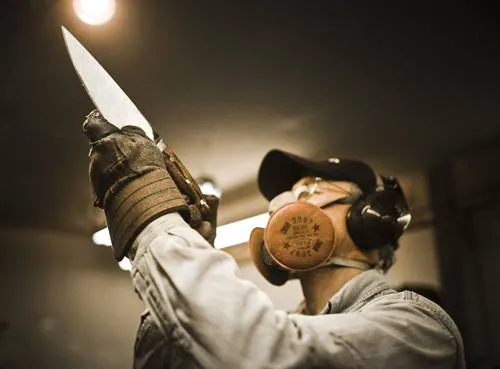
Blades, steel, patience: two makers whose order books run years deep, and why chefs keep waiting.
The week's essential tables, in your inbox every Sunday.
Free. Unsubscribe anytime. Read our privacy policy.