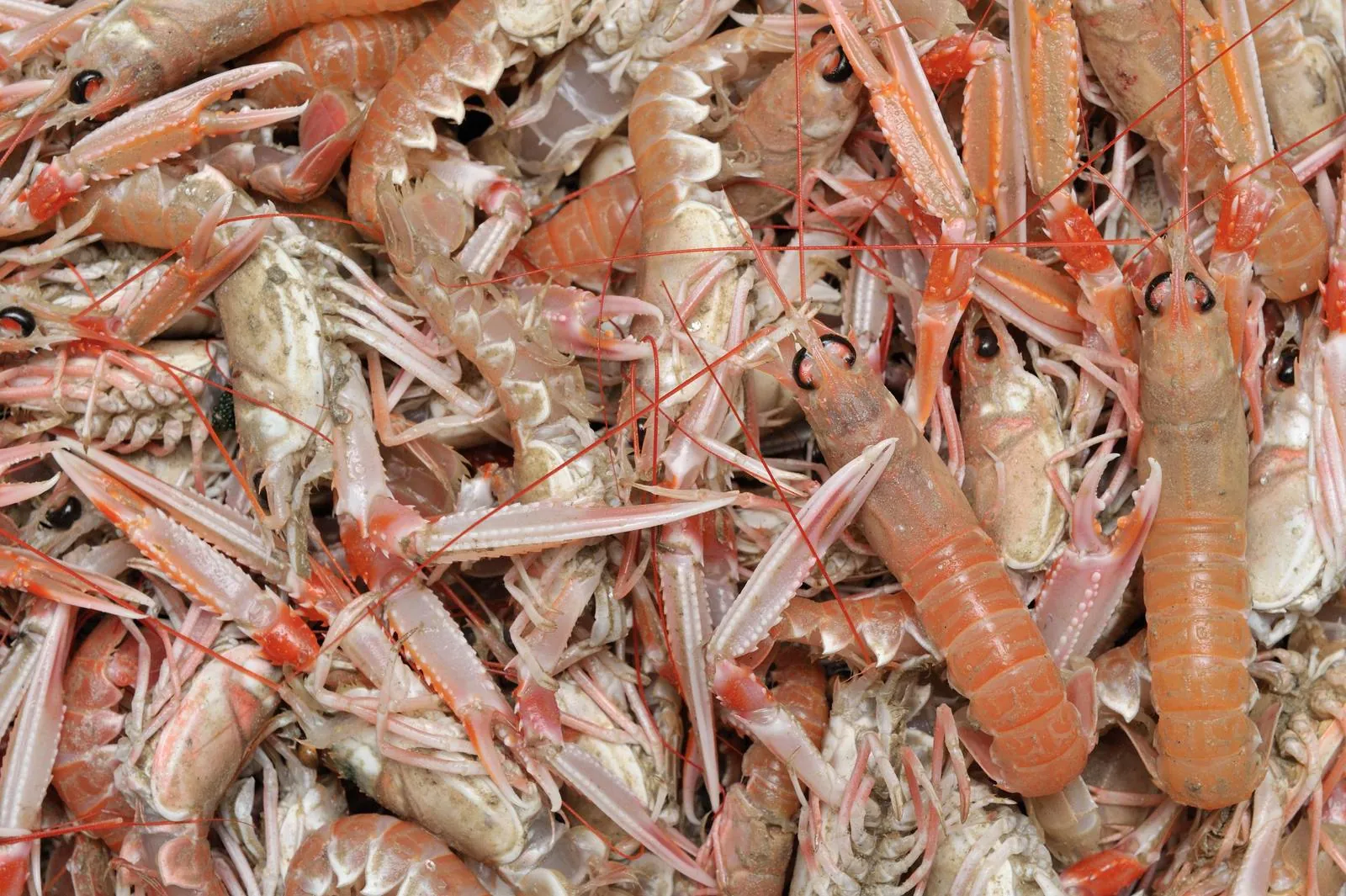
The Two Markets of the Langoustine
Creel boats land live langoustines worth three times the trawled price. The same species, two fisheries, and an argument that never ends.

What the words on the menu actually mean, from a Washington hook-and-line fishery to a twelve-boat fleet in Cornwall.
'Day boat' appears on menus the way 'artisan' appears on bread bags: often, and loosely. The dictionary is stricter. The American Heritage Dictionary defines day-boat seafood as caught and brought ashore on the same day. Everything after that is a claim worth checking.
The phrase has real meaning when it is earned, and the operations below show what earning it looks like. Same-day landing is the floor, not the ceiling. The serious suppliers add traceability, handling discipline, and the willingness to be audited on the claim.
Tre-Fin Day Boat Seafood makes its berth in Ilwaco, Washington. It applies the community supported agriculture model to seafood as a Community Supported Fishery, and it defines its terms precisely: day boat means fish individually caught and returned to dock within 24 hours.
The fish are caught by hook and line, then hand cut and flash frozen after landing. Each fish is traced from catch to sale by boat and captain, date and time of processing, and journey to market. Tre-Fin sells wholesale to restaurants and grocery stores under the trademarked Day Boat Tuna brand.
Traceability to the individual fish is the point. When a restaurant prints 'day boat' on the menu, Tre-Fin can name the boat, the captain, and the hour it was processed. Few suppliers can do that, which is why the claim commands a price.
The trademark matters more than it seems. 'Day Boat Tuna' is a registered brand, not a description, which means the words on the package are legally tied to the operation's own standard. The company defined its terms, then put its name behind them.
The Community Supported Fishery model is the other half of the story. Borrowed from agriculture, it connects the boat directly to the buyer, cutting out the layers where provenance gets blurry. The shorter the chain, the harder the lie.
Hook and line is the gear that makes the claim possible. Each fish is caught individually, which means each fish can be traced individually. Industrial nets mix the catch beyond identification. A hook keeps the provenance attached to the fish.
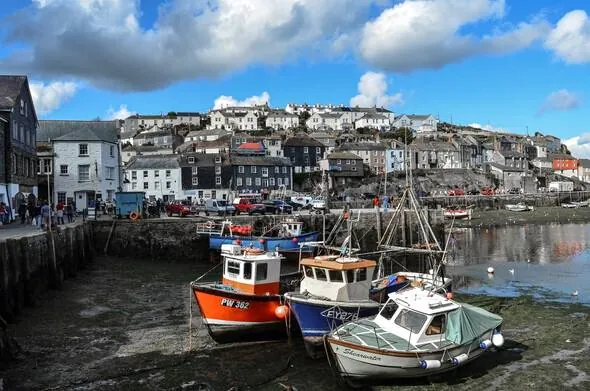
Looe's small fishing fleet counts 12 boats, and the town is famous for day-fresh fish. Nearby Plymouth carries a reputation for top quality day-boat fish. Reputation, in this trade, is inventory.
The economics are brutally clear. Looe buyers see prices fall from A grade to E grade by 1.50 to 2 pounds per kilo when fish loses its day-fresh edge. Freshness is not a romance. It is a grading scale with money attached.
Twelve boats is a small fleet, and that is the point. A town this size can hold its suppliers to account by name. When the fleet numbers in the dozens of thousands, provenance is a database. When it is twelve, it is a neighbor.
So the next time a menu says day boat, ask what it means. Same-day landing, a named boat, a traceable fish: these are checkable facts. Anything less is decoration, and decoration is not dinner.
Filed from the Provenance desk.
Creel boats land live langoustines worth three times the trawled price. The same species, two fisheries, and an argument that never ends.
What happens when sourcing claims get checked: the Tampa exposé that tested the menus, and the certifications meant to keep them honest.
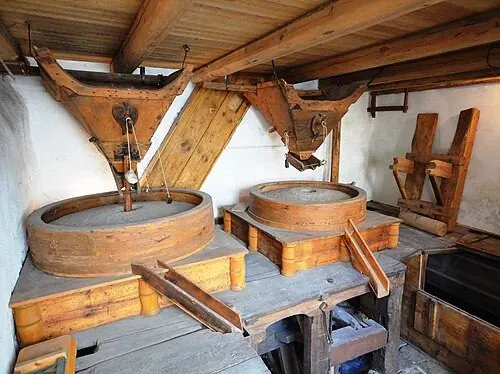
The artisan loaf had to be milled by someone. Three millers, in England, South Carolina, and France, who rebuilt the supply chain.
The week's essential tables, in your inbox every Sunday.
Free. Unsubscribe anytime. Read our privacy policy.