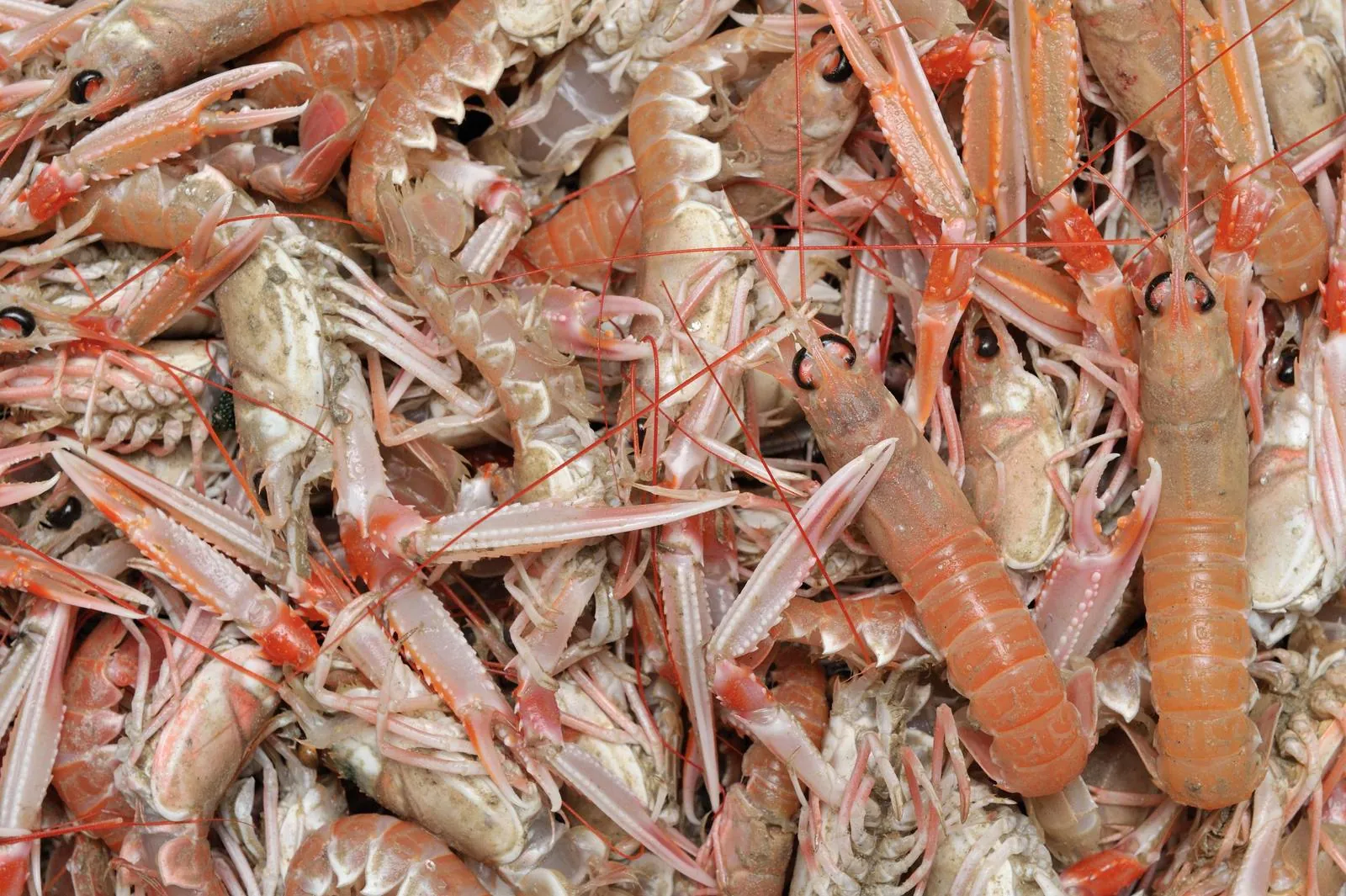
The Two Markets of the Langoustine
Creel boats land live langoustines worth three times the trawled price. The same species, two fisheries, and an argument that never ends.

What happens when sourcing claims get checked: the Tampa exposé that tested the menus, and the certifications meant to keep them honest.
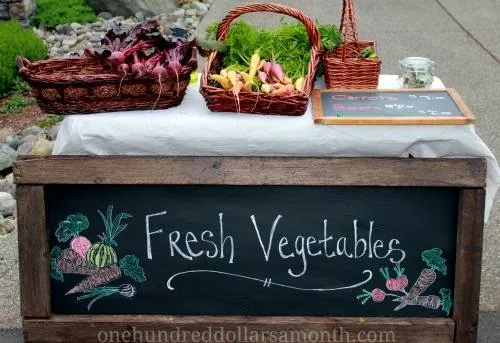
Farm to table is the most printed and least verified phrase in restaurant writing. In 2016, one critic decided to check. What she found should be taped to every menu printer in the industry.
The method was as important as the findings. Two months of fact-checking dozens of menus, calling the farms named on them, and DNA-testing the seafood. Not a survey of impressions. A forensic audit of words on paper.
Tampa Bay Times food critic Laura Reiley published 'Farm to Fable' on April 13, 2016, after a two-month investigation of farm-to-table restaurants. She fact-checked dozens of menus, called the farms named on them, and used DNA testing on seafood.
At Pelagia Trattoria, the 'Florida blue crab' came from the Indian Ocean. At Mermaid Tavern, the 'wild Alaskan pollock' fish and chips were made from frozen Chinese pollock treated with sodium tripolyphosphate, and the 'Florida wild-caught' shrimp were farm-raised in India.
Read those substitutions slowly. Not a neighboring state, not a cheaper domestic source. The Indian Ocean, China, India. The menus were describing one geography and serving another, and the gap was not a rounding error.
At Maritana Grille, chefs claimed to get pork from a farmer who did not sell to them. The Mill in St. Petersburg and its chef-owner Ted Dorsey were questioned about the provenance of the restaurant's pork, quail, and produce. Mermaid Tavern chef Gary Moran was questioned about his menu claims.
Reiley found restaurants that bought from a farm once or twice, then phased the farm out while keeping it on the chalkboard or the menu. She told NPR there are no genetic markers to test claims like organic local heirloom tomatoes, and offered diners a rule of thumb: price is an indicator, and if it seems too good to be true, it probably is not true.
The once-or-twice purchase is the industry's quietest fiction. The farm visit happened, the photograph was taken, the relationship was real, and then the ordering stopped while the name stayed on the board. The menu became a museum of a supply chain that no longer existed.
If menus cannot be trusted, what can? One answer is third-party certification, and it is expensive. Day Boat Seafood of Fort Pierce, Florida, founded in 2006 by Howie Bubis and Scott Taylor, pursued Marine Stewardship Council certification largely to keep Whole Foods as a customer.
The process cost the owners more than $200,000. The auditor, MRAG Americas, scored the fishery against more than 30 items. Certification was announced in December 2011, and the company then sold its swordfish for 10 percent more than uncertified competitors.
Two hundred thousand dollars is the price of a credible claim. Thirty-plus scored items is the depth of the audit. The ten percent premium on swordfish is what the market pays for proof. Certification converts trust from a feeling into a line item.
To answer objections over turtle bycatch, Taylor promised different hooks and observers or video cameras on all boats within five years of certification. Trust, in other words, has a price, a paper trail, and a five-year plan.
The five-year commitment is the detail that separates certification from marketing. Anyone can promise better hooks. Committing to observers or cameras on every boat, on a deadline, is a promise that can be checked. The audit continues after the certificate is issued.
The lesson of Farm to Fable is not that restaurants lie. It is that claims without verification are decoration. The publications that check, and the certifications that audit, are the only sourcing stories worth printing.
Filed from the Provenance desk.
Creel boats land live langoustines worth three times the trawled price. The same species, two fisheries, and an argument that never ends.
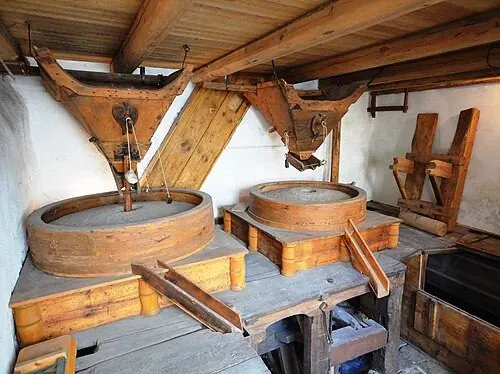
The artisan loaf had to be milled by someone. Three millers, in England, South Carolina, and France, who rebuilt the supply chain.
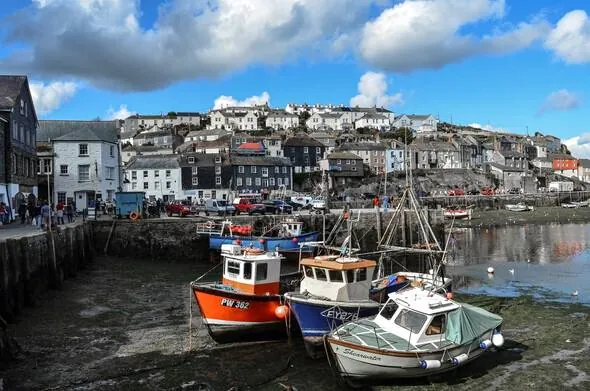
What the words on the menu actually mean, from a Washington hook-and-line fishery to a twelve-boat fleet in Cornwall.
The week's essential tables, in your inbox every Sunday.
Free. Unsubscribe anytime. Read our privacy policy.