Farm to Table, Audited
What happens when sourcing claims get checked: the Tampa exposé that tested the menus, and the certifications meant to keep them honest.

Creel boats land live langoustines worth three times the trawled price. The same species, two fisheries, and an argument that never ends.
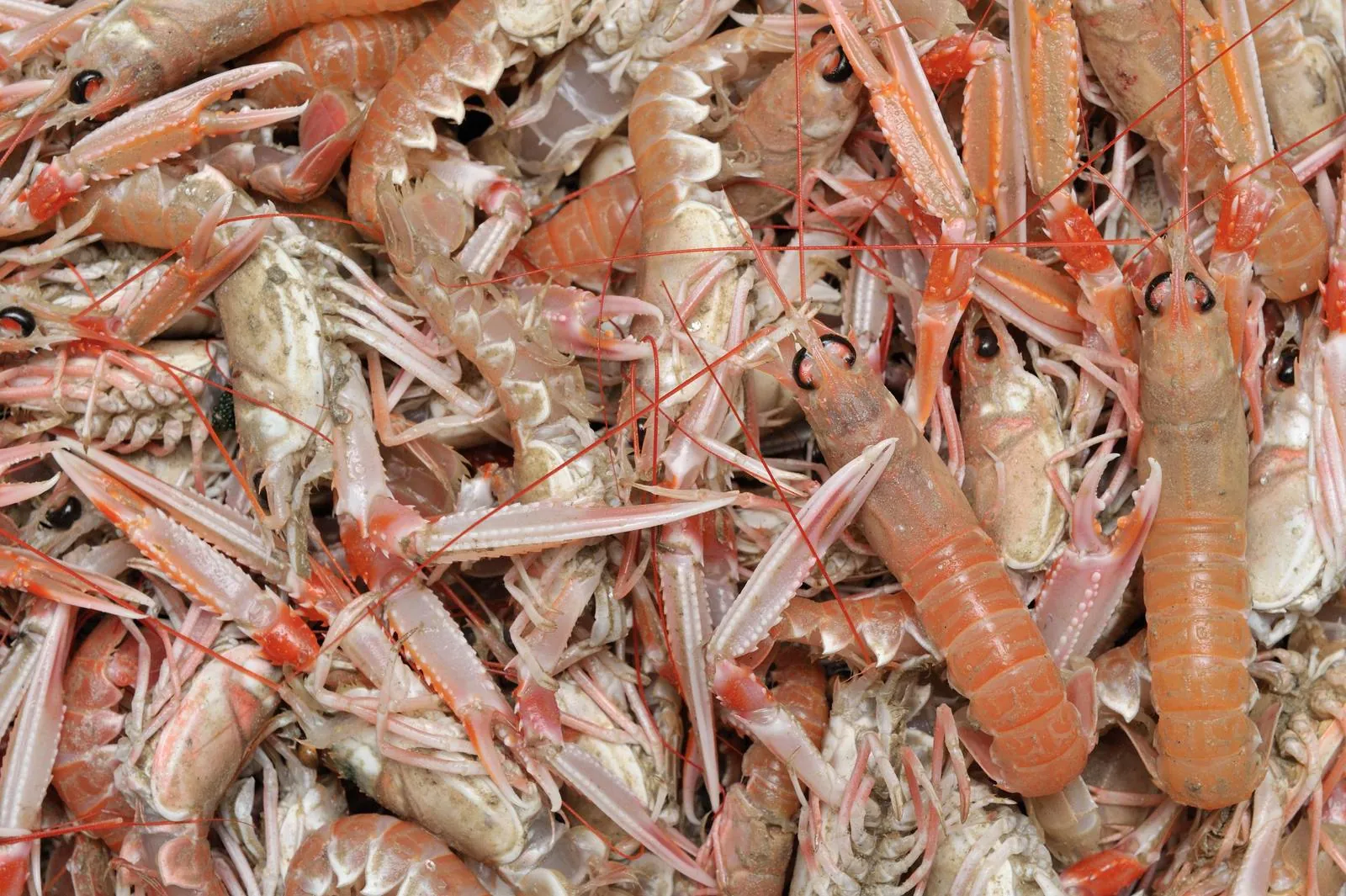
On the opening menu at Ottolenghi Edinburgh, which started serving on 2 October, east coast langoustines appear grilled with fermented chilli butter. They are supplied by Ochil, a Scottish fish merchant. It is a small line on a new menu, and it sits on top of one of Britain's most valuable and most argued-over fisheries.
The langoustine, Nephrops norvegicus, is the most valuable shellfish species landed in Scotland. Provisional figures for 2025 put the fishery at 21,000 tonnes worth 83 million pounds. The official 2023 statistics break it down: 1,474 tonnes caught in creels, worth 17 million pounds; 19,000 tonnes caught by trawl, worth 69 million pounds.
Do the division and the two fisheries barely look like the same animal. Creel-caught langoustines fetch more than three times the price per tonne of trawled ones. The reason is simple: creels catch them live and whole, and the live trade pays for perfection. Trawls catch them dead, and most of the trawled catch is tailed for scampi.
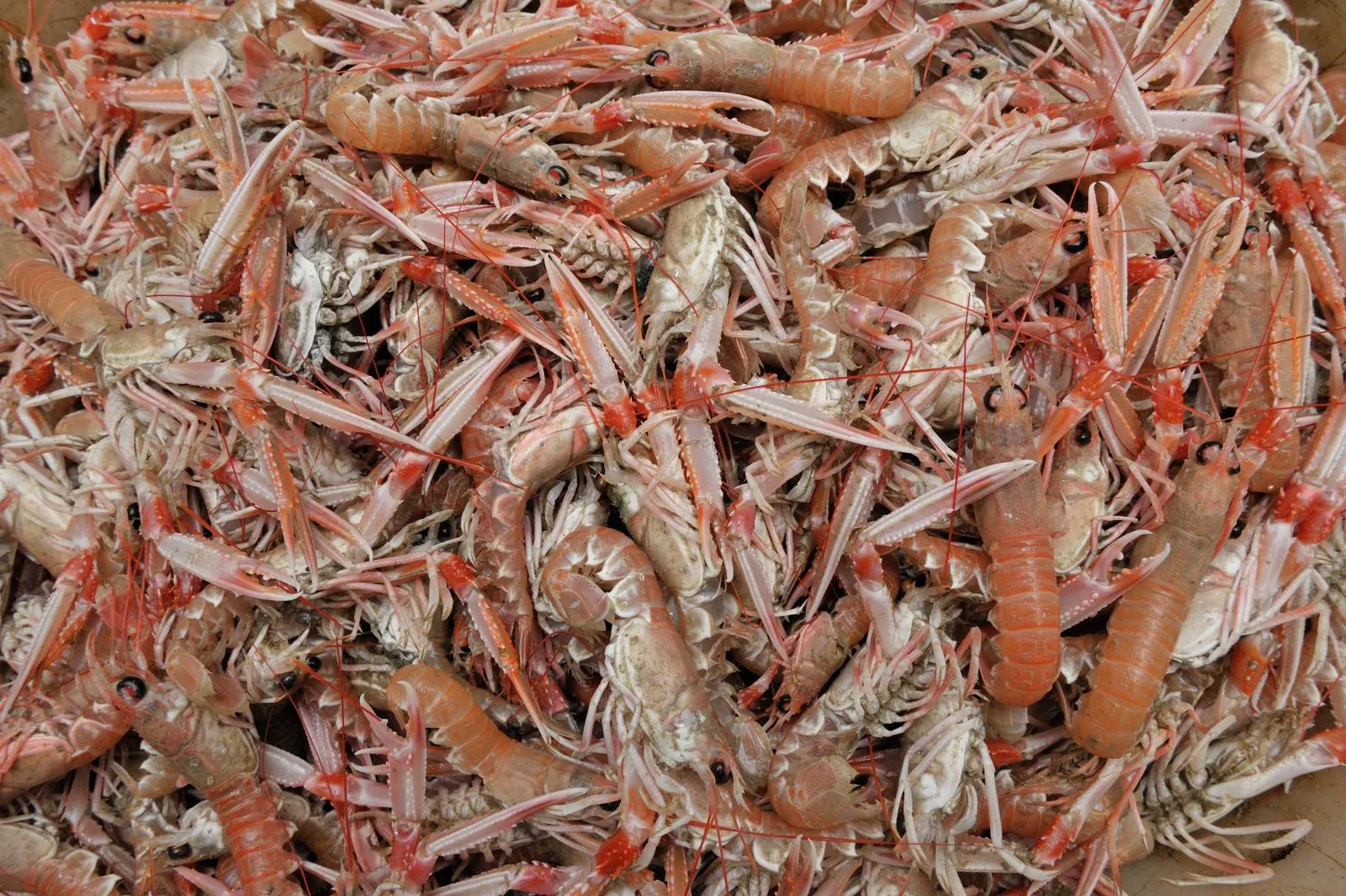
Creeling is static gear: baited pots set on the seabed, hauled by small boats, most of them under ten metres. Trawling is mobile gear: nets dragged across the grounds by larger vessels. More than seventy percent of the boats working Nephrops are small creelers, yet creelers land only about fifteen percent of the total catch. The trawlers work further out and land far more per boat.
The products diverge at the quayside. Creel boats land live langoustines, graded and packed for the live export trade and the best restaurant kitchens. Trawlers land the bulk of their catch as tails, bound for scampi. Same species, different animal on the plate, different price on the invoice.
The two fleets fish the same grounds, and they have fought over them for decades. Creelers work close inshore; trawlers work the same water. Lost and damaged gear, competing claims on the seabed: the Scottish government set up a task force on gear conflict in 2013, and the dispute, known in the trade as the prawn wars, has never fully settled.
The economics favor the creel, per kilo and per job, but the volume belongs to the trawl. New management plans for the fishery remain under consultation, and the responses from the catching sector range from concerned to downright disappointed, depending on which gear you fish.
Back on George Street, none of this appears on the menu. It does not need to. A langoustine grilled with fermented chilli butter is the end of a long chain: a creel boat, a merchant like Ochil, a chef who knows his fishmongers from his youth. Follow the ingredient backward and you find the whole argument. That is what the dish costs, and what it is worth.
Filed from the Provenance desk.
What happens when sourcing claims get checked: the Tampa exposé that tested the menus, and the certifications meant to keep them honest.
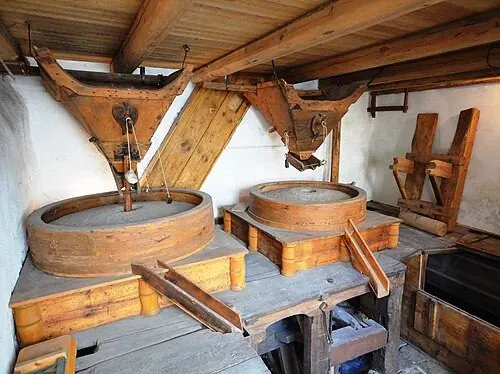
The artisan loaf had to be milled by someone. Three millers, in England, South Carolina, and France, who rebuilt the supply chain.
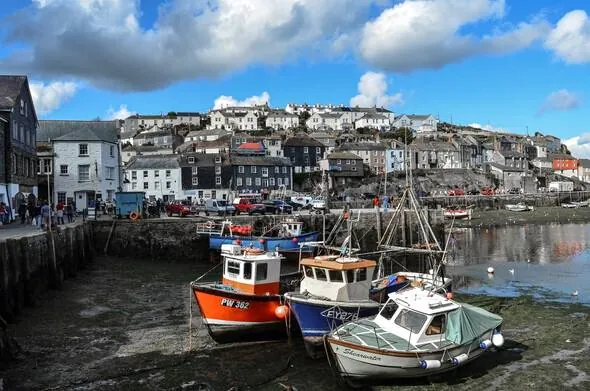
What the words on the menu actually mean, from a Washington hook-and-line fishery to a twelve-boat fleet in Cornwall.
The week's essential tables, in your inbox every Sunday.
Free. Unsubscribe anytime. Read our privacy policy.