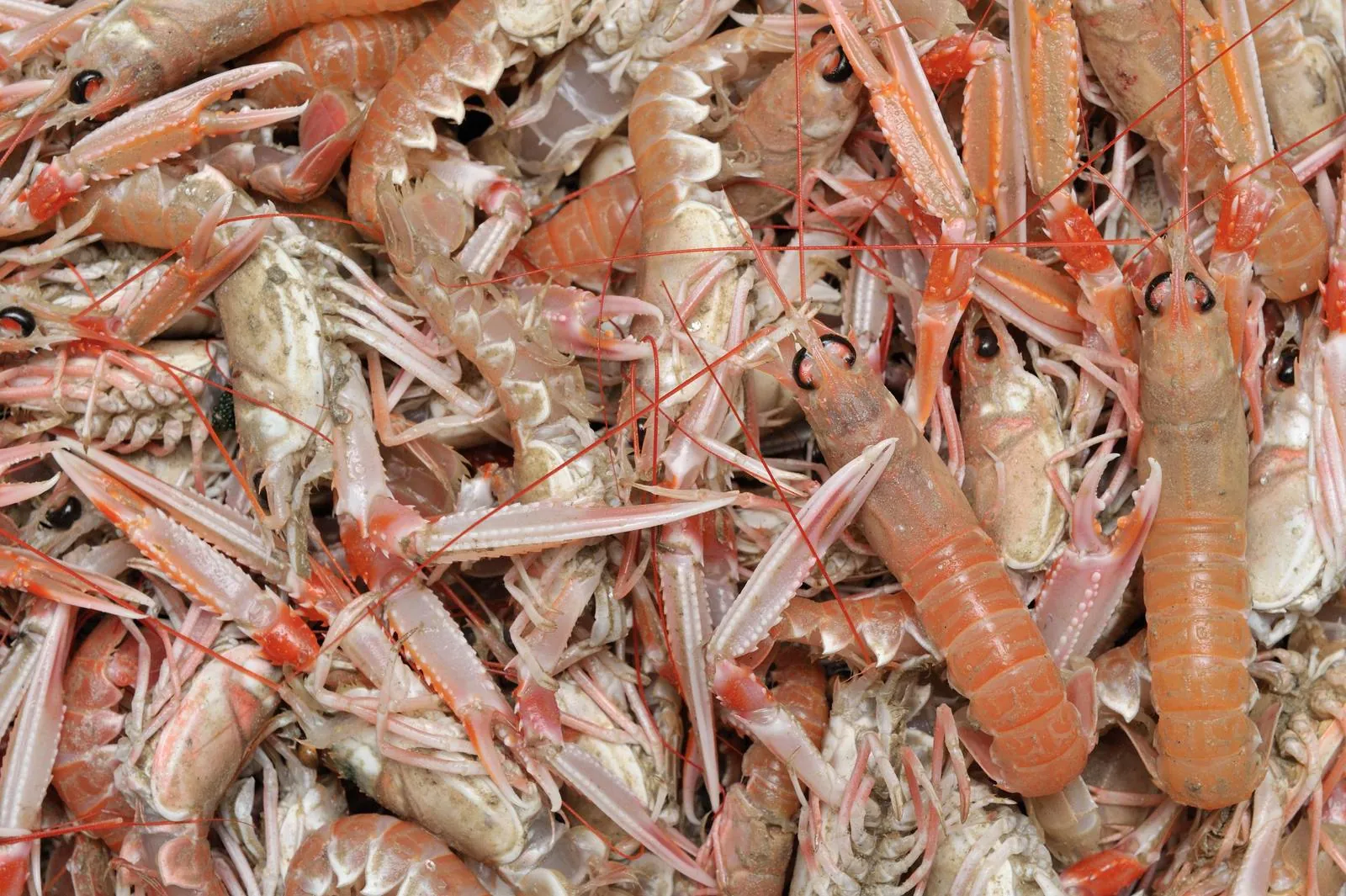
The Two Markets of the Langoustine
Creel boats land live langoustines worth three times the trawled price. The same species, two fisheries, and an argument that never ends.

The artisan loaf had to be milled by someone. Three millers, in England, South Carolina, and France, who rebuilt the supply chain.
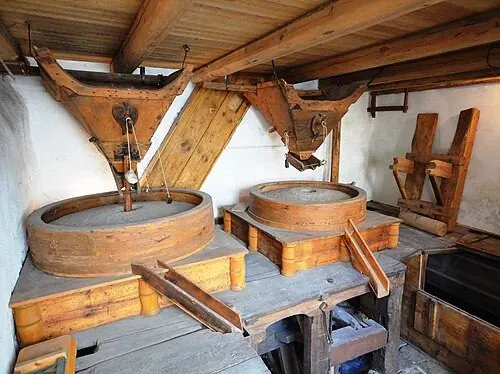
Every sourdough revival has a mill behind it. The baker gets the photograph. The miller gets the invoice. But without someone milling heritage wheat to the right extraction, the loaf does not exist.
Industrial milling spent a century optimizing for one thing: cheap, uniform white flour. The revival millers below each reversed that logic in a different way. They rebuilt the supply chain from the field up, and the bakers followed.
Shipton Mill stands near Tetbury in Gloucestershire, on a site that appears in the 1086 Domesday Book. John Lister discovered the abandoned mill and restored it in the late 1970s, and restored 1920s French stone roller mills remain in operation there today.
A mill on a Domesday site is a mill with nine centuries of grain behind it. Lister's restoration in the late 1970s was an act of faith in an era when small mills were closing, not opening. The 1920s French stone rollers he brought back into service are the kind of equipment the industry had written off.
The mill's Wheat Project shows what a miller can do beyond grinding. In the project's first year, Shipton connected GAIL's bakeries with 10 heritage-wheat farmers. The mill became a broker between field and oven, rebuilding a supply chain that industrial milling had erased.
The broker role is the innovation. A mill that only grinds is a service provider. A mill that connects ten heritage-wheat farmers to a bakery group is rebuilding the market itself, one relationship at a time.
Glenn Roberts founded Anson Mills in Columbia, South Carolina, in 1998, to restore heritage grains, beans, and crops. The catalog includes Carolina Gold rice and Sea Island red peas, varieties that had nearly vanished from American fields.
Roberts works with farmers, chefs, seed savers, and plant geneticists. The mill is part seed bank, part research station, part supplier. The chef who plates Carolina Gold is standing on two decades of someone else's persistence.
Nearly vanished is not an exaggeration. These varieties survived because someone kept seed when the market had moved on, and Roberts built a mill around bringing them back. The supply chain here starts with genetics, not grain.
Foricher Les Moulins is a family mill group founded by Yvon Foricher, serving artisanal bakers across France. Its BAGATELLE flour carries the Label Rouge certification, the French mark of superior quality.
The mill partners with Bruno Cormerais, a Meilleur Ouvrier de France in bakery. Miller and baker, certified flour and certified hands: the French system formalizes what the English and American millers do by conviction.
Label Rouge is the French state's answer to the quality question: a certification of superior quality, defined and policed. Where Shipton and Anson Mills work by conviction and relationship, Foricher works inside a national system built to guarantee exactly what the artisan bakers need.
Three countries, three models, one lesson. The bread revival was a milling revival first. Follow the loaf backward and you always end at the stones.
Filed from the Provenance desk.
Creel boats land live langoustines worth three times the trawled price. The same species, two fisheries, and an argument that never ends.
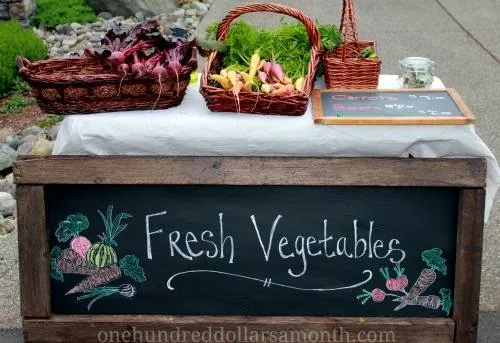
What happens when sourcing claims get checked: the Tampa exposé that tested the menus, and the certifications meant to keep them honest.
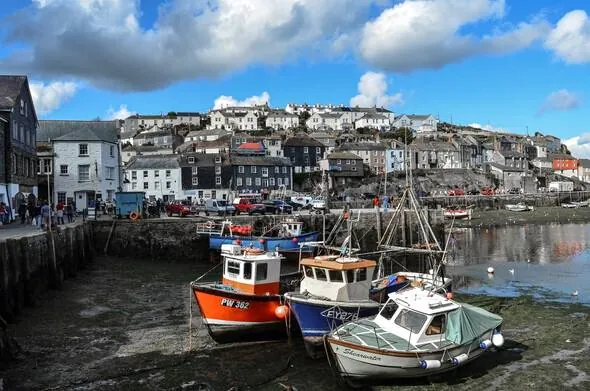
What the words on the menu actually mean, from a Washington hook-and-line fishery to a twelve-boat fleet in Cornwall.
The week's essential tables, in your inbox every Sunday.
Free. Unsubscribe anytime. Read our privacy policy.