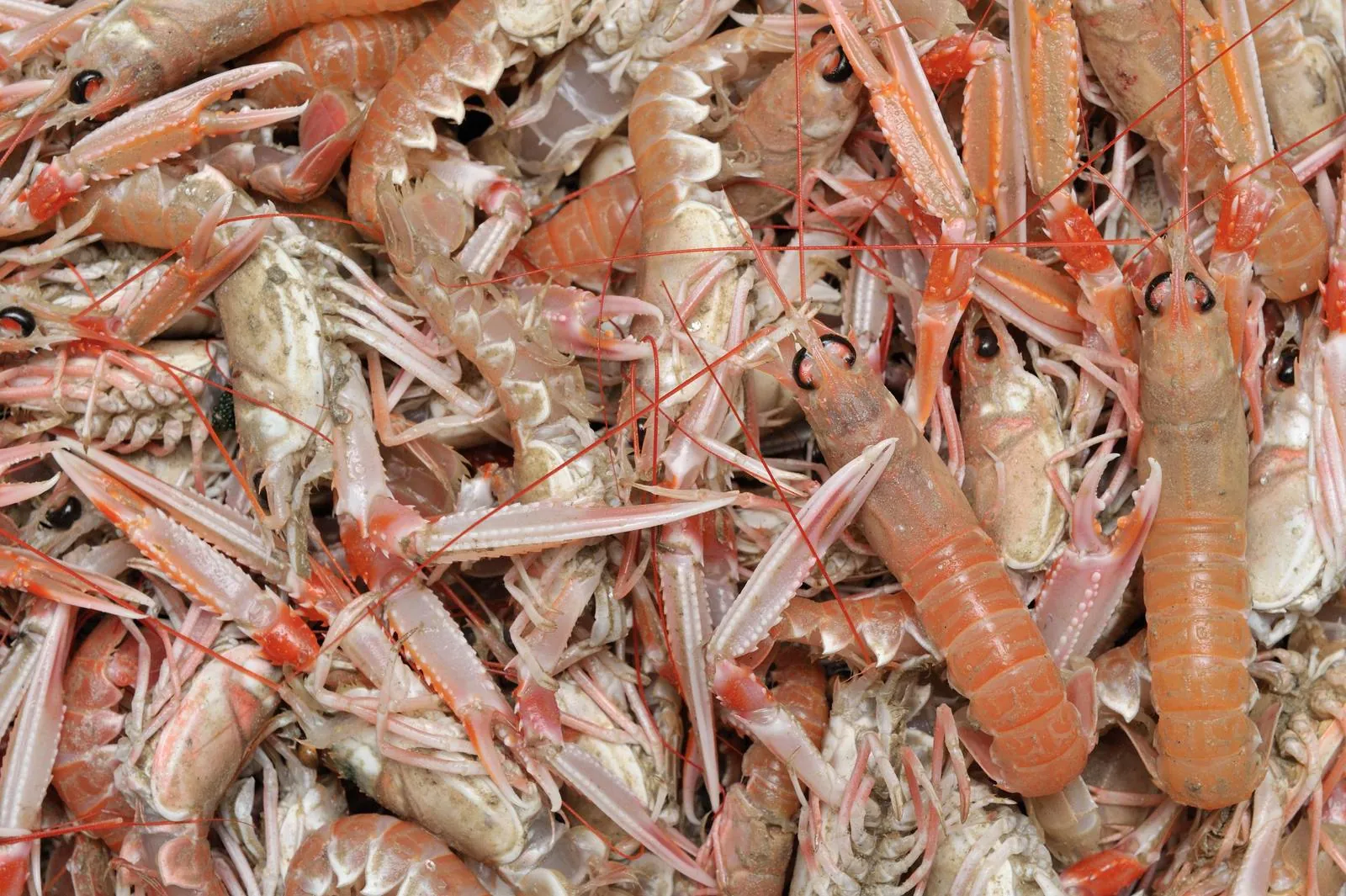
The Two Markets of the Langoustine
Creel boats land live langoustines worth three times the trawled price. The same species, two fisheries, and an argument that never ends.

Three wholesalers, from Maine to Cornwall to La Coruna, whose sourcing decisions quietly shape what great kitchens serve.
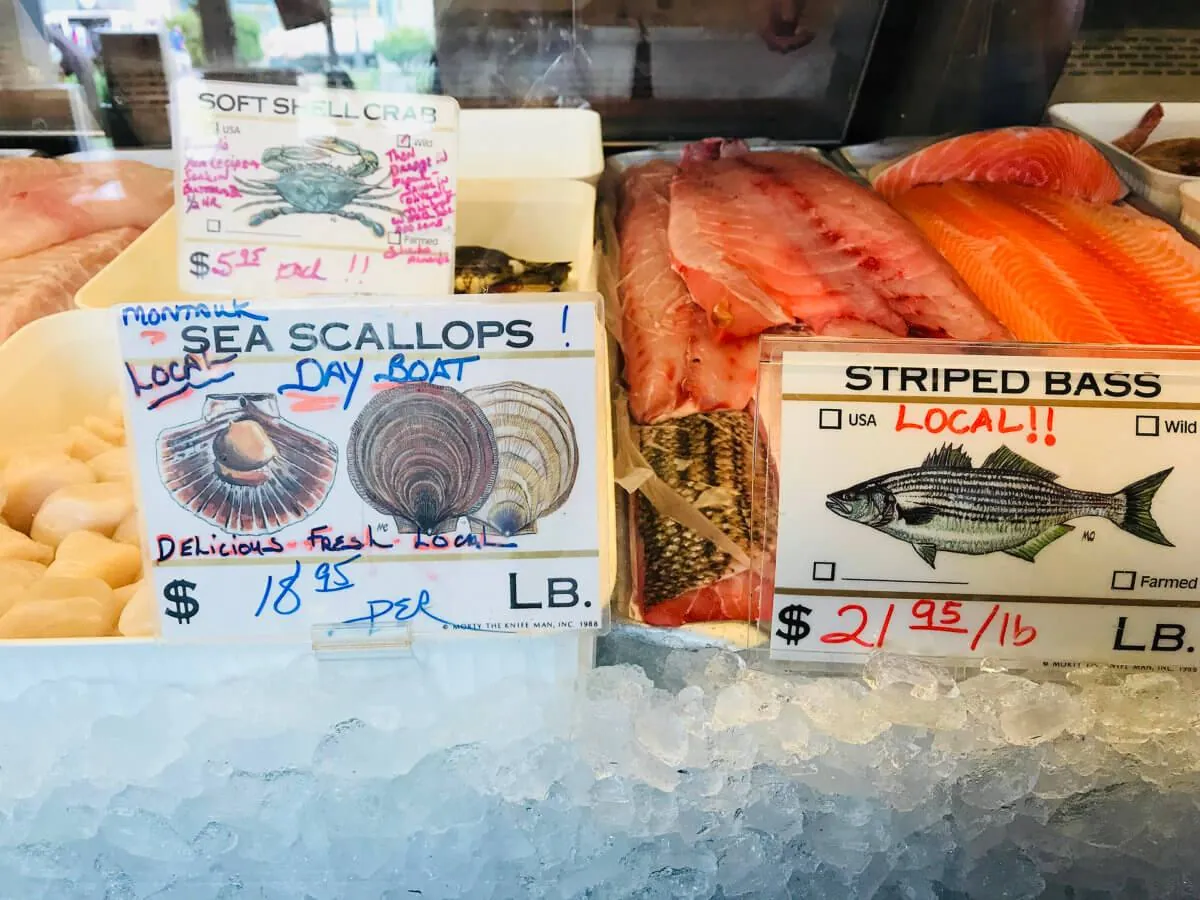
Before the menu is written, someone buys the fish. In the best kitchens, that someone is often not the chef. It is a wholesaler the chef trusts the way other people trust a bank, and the relationship can run for decades.
The fishmonger decides what is in season before the menu does. The fishmonger tells the chef what came off the boat that morning and what did not. A great supplier edits the menu by omission, and the dining room never knows.
This is the least visible power in the food world, and arguably the most honest. The supplier's reputation is priced into every delivery. A chef who buys badly serves badly, and both know it, so the wholesaler becomes a silent partner in the kitchen's standards.
Browne Trading operates from 260 Commercial Street in Portland, Maine. Rod Browne Mitchell founded the company to serve fine dining restaurants and home kitchens, and it now supplies caviar, fresh fish, shellfish, and smoked seafood to elite restaurants across the United States.
The model is simple and hard to copy. Buy the best fish, handle it better than anyone else, and deliver it to kitchens that will pay for the difference. The range matters too: caviar, fresh fish, shellfish, and smoked seafood under one roof means one call, one delivery, one standard.
A supplier to elite restaurants is judged differently from a supplier to everyone. The product mix says it plainly. When a company stocks caviar alongside the day's catch, it is telling the country's best kitchens that they need not shop anywhere else.
The Cornish Fishmonger is a family business run by the Wing family, fishmongers for 30 years. The company supplies Michelin-starred chefs and states a clear preference: seafood from small Cornish day boats, and no locally depleted species.
That second clause is the whole story. A supplier willing to refuse product is a supplier a chef can believe. The day-boat preference is not marketing. It is a purchasing rule, applied every morning.
Thirty years in the same Cornish waters is a kind of data set. The family has watched stocks rise and fall, seasons shift, and species vanish from the local catch. Refusing depleted species costs money in the short term and buys credibility for decades. The Michelin-starred chefs who buy here are paying for the refusal as much as for the fish.
In 2004, the wine writer Jancis Robinson described Pescaderias Corunesas as the link between the fishermen of La Coruna and the leading chefs of Spain. The wholesaler was run by Evaristo Garcia, and the business included the celebrated O'Pazo restaurant.
The Garcia family had moved from freight transport into fish wholesaling about six decades earlier. Three generations later, they were deciding what the best kitchens in Madrid would serve. The supply chain, not the critic, wrote the menu.
The O'Pazo detail is the giveaway. The family did not only sell fish to restaurants; they ran one of the celebrated ones. When your wholesaler also cooks, the quality conversation happens on both sides of the pass. Few suppliers in the world have ever held that position.
These are three different businesses in three different waters. They share one trait. The chef does not audit them. The chef trusts them, which is rarer and more valuable. In the Provenance 100, our annual ranking of the world's most respected dining rooms, the voters will be the suppliers. This is why.
Filed from the Provenance desk.
Creel boats land live langoustines worth three times the trawled price. The same species, two fisheries, and an argument that never ends.
What happens when sourcing claims get checked: the Tampa exposé that tested the menus, and the certifications meant to keep them honest.
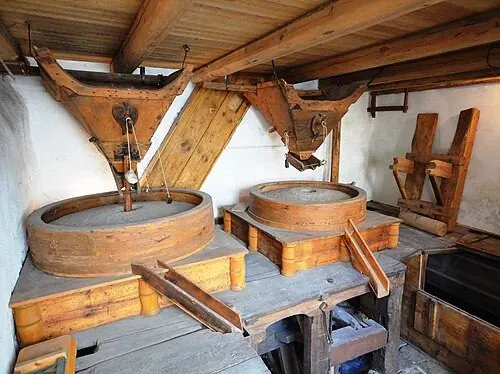
The artisan loaf had to be milled by someone. Three millers, in England, South Carolina, and France, who rebuilt the supply chain.
The week's essential tables, in your inbox every Sunday.
Free. Unsubscribe anytime. Read our privacy policy.