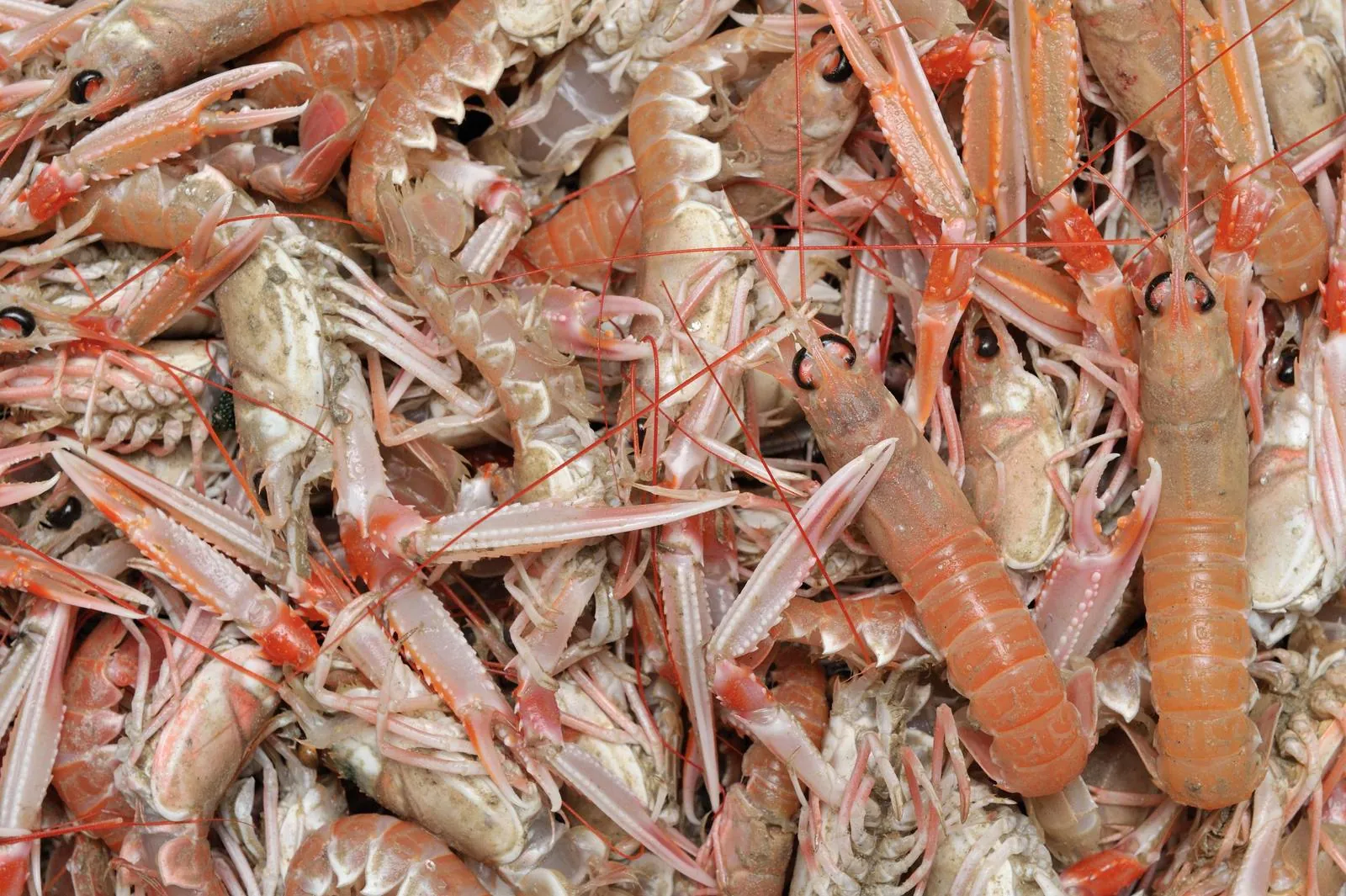
The Two Markets of the Langoustine
Creel boats land live langoustines worth three times the trawled price. The same species, two fisheries, and an argument that never ends.

In Paris cellars, a handful of masters still buy young cheese and finish it themselves. Affinage is patience you can taste.
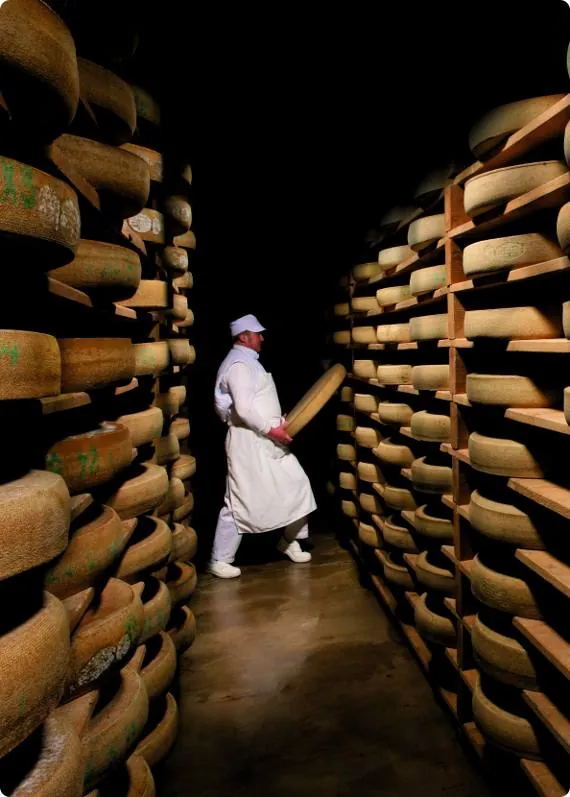
An affineur does not make cheese. An affineur finishes it. The cheese arrives young from the farm, and the affineur decides how long it stays in the cellar, at what humidity, turned how often, brushed or washed or left alone. It is farming by proxy, and Paris has done it longer than anyone.
The craft sits between production and service, which is why so few practice it at the highest level. The cheesemaker's work ends at the farm gate. The affineur's begins there, and the difference between a good cheese and a great one is often made in a cellar neither the farm nor the restaurant owns.
Henri Androuet opened his shop in Paris in 1909. He traveled across France meeting producers and sourcing regional cheeses, and his cheese calendars listed more than 100 cheeses with their maturity periods. The calendar was the product as much as the cheese.
Consider what that calendar represented. More than a hundred cheeses, each with its own maturity period, mapped across the regions of France. In an age before databases, it was a living reference work, and it told customers something no price tag could: this shop knows exactly when each cheese is ready.
A tasting cellar was open by the mid-1920s. In 1934, Pierre Androuet added a restaurant and expanded the aging cellars. The business lists seven Paris locations today, more than a century after Henri started traveling to farms.
The 1934 expansion is the telling move. A restaurant attached to the aging cellars meant the affineur's judgment could be served directly, no translation needed. The cheese went from cellar to table under one family's eye.
Laurent Dubois became a Meilleur Ouvrier de France in 2000, the highest craft distinction in the country. He acquired his father's shop at 2 Rue de Lourmel in 1996, and his maturing room handles small batches of raw artisanal cheese.
The Meilleur Ouvrier de France title is not a marketing award. It is a national craft competition with standards few attempt and fewer meet. In a country that takes cheese seriously, it marks the person the profession itself recognizes.
The numbers tell the story of the craft's demands. The business grew from 50 cheeses in the late 1990s to more than 250. Each one needs its own conditions, its own turning schedule, its own judgment call. The shop now lists four addresses plus a location at Printemps du Gout.
Fivefold growth in references is fivefold growth in decisions. Two hundred and fifty cheeses cannot be managed on autopilot. Every one is a separate relationship with a separate farm, a separate cellar rhythm, a separate moment of readiness. The maturing room works in small batches because the craft does not scale.
Affinage cannot be scaled the way production can. A cellar has a size. A master has two hands. The great affineurs are few because the work resists efficiency, and that resistance is precisely what the cheese tastes like.
Filed from the Provenance desk.
Creel boats land live langoustines worth three times the trawled price. The same species, two fisheries, and an argument that never ends.
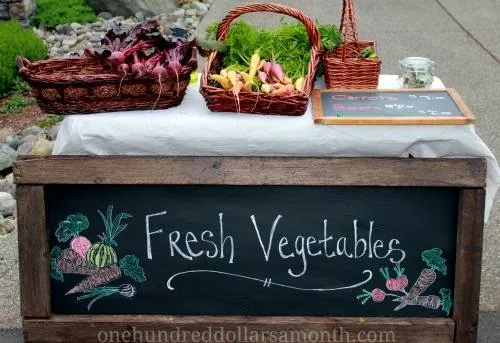
What happens when sourcing claims get checked: the Tampa exposé that tested the menus, and the certifications meant to keep them honest.
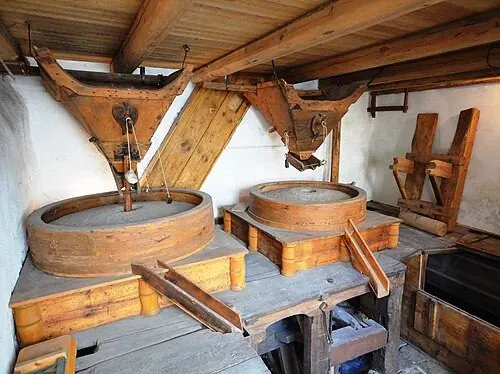
The artisan loaf had to be milled by someone. Three millers, in England, South Carolina, and France, who rebuilt the supply chain.
The week's essential tables, in your inbox every Sunday.
Free. Unsubscribe anytime. Read our privacy policy.